- (321) 507-4851
- info@beaconcleaningfl.com
- Mon - Fri: 7AM - 5PM · Sat - Sun: Closed

Pressure washing is one of the most effective and efficient methods for cleaning outdoor surfaces. Whether it’s a driveway coated in oil stains, a patio covered in moss, or siding dulled by years of dirt and grime, pressure washing can restore the appearance of surfaces quickly and thoroughly. This process relies on the force of high-pressure water to dislodge and wash away unwanted substances, making it a powerful tool for homeowners, businesses, and property managers alike.
What Is Pressure Washing?
At its core, pressure washing is the use of a specialized machine to spray water at a high pressure. Unlike a garden hose that delivers water at low pressure, a pressure washer forces water through a pump and nozzle to create a stream powerful enough to break bonds between dirt and the surface it clings to. This high-pressure water is capable of removing substances that traditional cleaning methods often fail to tackle.
Common applications include cleaning driveways, decks, patios, fences, building exteriors, vehicles, and even certain types of industrial equipment.
How Pressure Washing Works
The effectiveness of pressure washing comes from a combination of mechanical force and water flow. The system is designed with several components that work together to deliver a powerful cleaning action:
- High-pressure pump: A motor or engine powers a pump that pressurizes ordinary tap water, dramatically increasing its force.
- Hose and trigger gun: The pressurized water flows through a reinforced hose, controlled by a trigger-style gun.
- Nozzle design: Different nozzles control the spray angle, pattern, and pressure, which can be adjusted for specific cleaning tasks—from a concentrated jet to a wide fan spray.
- Kinetic action: When the water exits the nozzle at high speed, it carries enough energy to dislodge dirt, mold, algae, paint, or grease from surfaces.
This combination of pressure and volume makes pressure washing far more effective than scrubbing or rinsing with a hose.
Common Uses of Pressure Washing
Pressure washing is versatile, making it suitable for a wide range of cleaning projects:
- Surface Cleaning
Driveways, sidewalks, patios, and decks often collect dirt, mud, and stains. Pressure washing removes these contaminants, leaving surfaces cleaner and safer. - Mold, Mildew, and Algae Removal
Outdoor surfaces exposed to moisture frequently develop organic growth. Pressure washing eliminates mold, mildew, algae, and moss, which not only improves appearance but also prevents damage and slipping hazards. - Surface Restoration
Over time, surfaces become dull and discolored. Pressure washing restores vibrancy, enhancing curb appeal and extending the life of the material. - Vehicle and Equipment Washing
Cars, trucks, buses, boats, and farm equipment can all benefit from pressure washing, which removes mud, salt, grease, and road grime efficiently. - Graffiti and Paint Removal
With the right nozzle and technique, pressure washers can strip away graffiti or loose paint, preparing surfaces for refinishing.
Key Benefits of Pressure Washing
- Efficiency
Large surface areas can be cleaned in a fraction of the time compared to manual scrubbing. - Effectiveness
High-pressure water penetrates deep into porous surfaces, removing stubborn dirt, stains, and growths that traditional methods leave behind. - Versatility
Pressure washing works on a variety of materials—concrete, wood, brick, vinyl siding, metal, and more—making it a multi-purpose cleaning solution. - Improved Health and Safety
Removing mold, mildew, algae, and other contaminants improves air quality and reduces slip hazards on walkways. - Boosted Curb Appeal
A clean exterior makes homes and businesses look well-maintained, which is particularly beneficial when selling property or attracting customers.
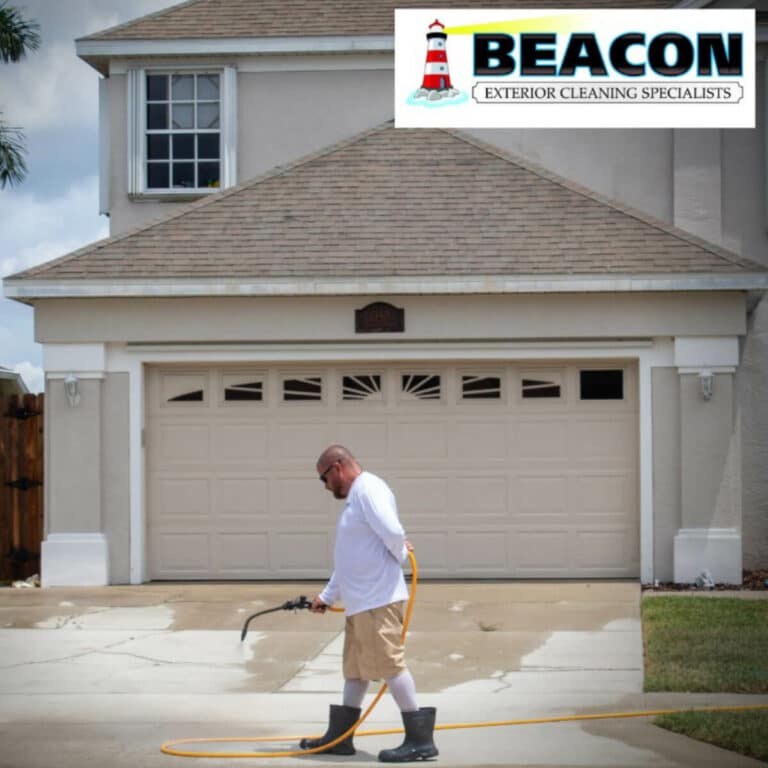
Types of Pressure Washers
Pressure washers come in different designs, each suited for specific needs:
- Electric Pressure Washers: Compact, quieter, and ideal for light-duty tasks such as cleaning small patios, decks, or vehicles.
- Gas-Powered Pressure Washers: More powerful, making them suitable for heavy-duty jobs like large driveways, commercial cleaning, or industrial equipment.
- Hot Water Pressure Washers: Effective for removing grease and oil since hot water breaks down contaminants more effectively than cold water.
Safety Considerations
While pressure washing is effective, it must be used with care. The force of the water can damage surfaces or cause injury if mishandled. Some key safety practices include:
- Use appropriate pressure levels: Delicate surfaces like wood or vinyl require lower pressure than concrete or brick.
- Wear protective gear: Safety goggles, gloves, and sturdy footwear help prevent accidents.
- Maintain safe distance: Standing too close to the surface can etch materials or cause water to ricochet dangerously.
- Avoid electrical hazards: Be cautious around outlets, wiring, and appliances to prevent electrocution.
When to Hire a Professional
While many homeowners choose to rent or buy a pressure washer for DIY cleaning, certain situations call for professional help:
- Large-scale projects such as multi-story homes or commercial buildings.
- Surfaces that require specialized care, like delicate wood, roof shingles, or painted areas.
- Situations involving hazardous materials, such as mold infestations or chemical spills.
Professionals have the training, equipment, and expertise to clean effectively without causing damage.
Conclusion
Pressure washing is a powerful, versatile, and efficient cleaning method that can transform the appearance of outdoor surfaces. By harnessing the energy of high-pressure water, it removes dirt, mold, grime, and stains more effectively than traditional cleaning techniques. From restoring curb appeal to improving safety, the benefits are clear. Whether you tackle it yourself or hire a professional, pressure washing is a valuable investment in maintaining and protecting your property.