
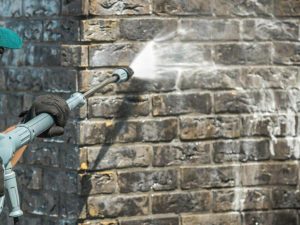
Why October Is a Smart Time to Schedule House Washing
October falls right in the sweet spot of the fall cleaning season. Florida homeowners should generally plan to wash their homes at least once

Your pool deck should be a place to relax, not a source of stress. But if your pavers are starting to look worn, stained, or rough to the touch, they may be telling you something important. In Cocoa, FL, pool pavers face some of the harshest outdoor conditions in the country. Between the intense sun, high humidity, salty coastal air, and frequent rain, paver sealers break down faster here than in most other parts of the United States. Knowing the signs that your pavers need resealing can save you from far more expensive repairs down the road.
The simplest test you can do at home is called the water test. Pour a small amount of water directly onto your pool deck pavers. Watch closely. If the sealer is still doing its job, the water will bead up and sit on the surface. If the water immediately soaks in and turns the paver a darker, damp color, the protective barrier is gone.
This matters a lot in Cocoa. Without a working sealer, your pavers are left wide open to damage from moisture, mold, and the salt air that blows in off the Atlantic. A fresh sealer acts like a shield, keeping water and contaminants from working their way into the porous stone. Once that shield is gone, deterioration starts quickly, especially in Florida’s climate.
If your pavers look dull, washed out, or noticeably lighter than when they were first installed, UV damage is likely the cause. Florida is one of the sunniest states in the country, and Cocoa’s position on the Space Coast means strong sun exposure for most of the year.
Research published in peer-reviewed scientific literature found that UV radiation increases surface porosity in concrete, accelerates surface degradation, and causes significant loss of glossiness and appearance quality over time. A quality paver sealer acts the same way sunscreen protects your skin. It filters and absorbs UV rays before they can break down the color pigments and surface structure of your pavers. When the sealer wears away, that UV protection disappears with it, leaving your pavers faded and vulnerable.
In Cocoa, pavers typically need to be resealed every two to three years. Given the intensity of Florida’s sun and the added stress of coastal salt air, waiting longer than that almost always leads to visible color loss and surface damage.

Yes, and this is one of the most telling signs that resealing is overdue. A properly sealed paver has a protective barrier that resists staining from rust, fertilizer, sunscreen, and algae. When that barrier breaks down, stains sink deep into the porous surface where simple washing cannot reach them.
Algae and mold are a particular concern around pool decks in Cocoa. According to the U.S. Environmental Protection Agency, humidity levels above 60 percent create conditions that actively promote mold growth on porous surfaces. Cocoa regularly exceeds this threshold, especially during the rainy season from June through September. Unsealed pavers absorb moisture and hold it, giving mold and algae exactly what they need to grow.
If you are seeing dark green or black slimy patches on your pool deck, especially near the waterline or in shaded spots, your sealer is most likely gone and mold has already taken hold inside the pores of the stone. Regular pressure washing can remove surface buildup, but resealing is what prevents it from coming back. To learn more about why keeping your deck clean before resealing matters, the U.S. EPA’s Mold and Moisture Guide explains how moisture control is the foundation of preventing long-term surface damage.
Two signs that often get overlooked are eroding joint sand and efflorescence, the white powdery haze that sometimes appears on paver surfaces. Both point directly to a sealer that has failed.
Joint sand is the material packed between your pavers to keep them stable and in place. A quality sealer locks that sand down. When the sealer wears off, rain and foot traffic slowly wash the sand away. Once the sand is gone, pavers begin to loosen, shift, and become uneven, creating a tripping hazard and allowing weeds to take root in the gaps.
Efflorescence is a different kind of warning sign. It happens when water pushes up through the paver and carries dissolved salts and calcium to the surface. When the water evaporates, those minerals are left behind as a white, frosted-looking residue. It tells you that moisture is moving freely through your pavers, which means the sealer is no longer blocking it. In a coastal city like Cocoa, where salt air already places extra stress on outdoor surfaces, this kind of moisture movement can cause real structural damage over time.
If your pavers also feel gritty or sandy to the touch, or you notice small pits forming on the surface, you are looking at what is called spalling. This is late-stage damage caused by water repeatedly entering the pores and breaking down the material from the inside. Resealing at this point, along with a thorough professional cleaning first, is essential to stop further erosion.

If your pavers are absorbing water, showing stubborn stains, growing algae, losing joint sand, or developing a white haze, do not wait. These signs mean your sealer has worn out and your pavers are unprotected. The longer you wait, the more damage builds up and the more expensive the fix becomes.
Beacon Cleaning provides professional pool paver pressure washing and sealing services right here in Cocoa, FL. We help homeowners get ahead of the damage before it becomes a costly repair. Call us today at (321) 507-4851 to schedule a service and protect your investment.
A penetrating sealer works best in Florida’s climate. It soaks into the paver rather than sitting on top, offering better resistance to humidity, UV rays, and salt air without peeling or flaking.
Typically two to three years. Florida’s intense sun, high humidity, and coastal salt air break down sealers faster than in most other states, so staying on a regular schedule matters.
Only if the existing sealer is in good condition and still bonded properly. In most cases, old sealer needs to be stripped first to ensure the new coat adheres correctly and lasts as long as possible.
Most do, including concrete, brick, and natural stone pavers. Some materials like travertine are more porous and actually need sealing more urgently to prevent water absorption and staining.
A standard topical sealer can make wet pavers slippery. Always choose a sealer with a non-slip additive or matte finish specifically designed for pool deck areas.
October falls right in the sweet spot of the fall cleaning season. Florida homeowners should generally plan to wash their homes at least once
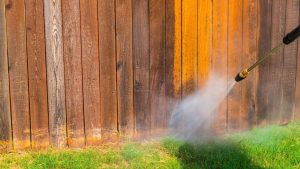
Under normal conditions, you should pressure wash your fence every 12 to 18 months. However, some residential properties only require a thorough cleaning every
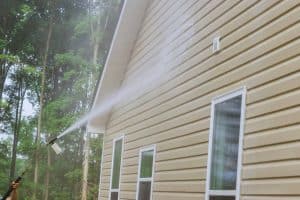
Living in Brevard County brings sunny beaches, warm ocean breezes, and the occasional severe coastal weather. When tropical storms or summer severe weather roll
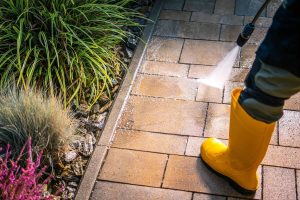
Regular pressure washing keeps Florida sidewalks safe, clean, and free from the heavy buildup caused by the state’s unique climate. Living along the Space

Is DIY House Washing Really Worth the Risk in Cocoa, FL? Renting a pressure washer for a weekend project might seem like a quick
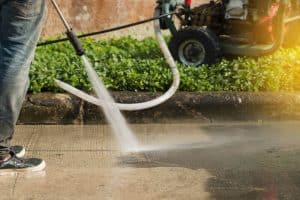
Is your storefront or office building putting its best foot forward? Owning or managing a business in Cocoa, Florida, comes with great local perks,
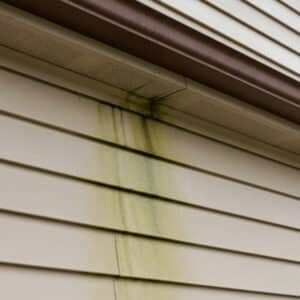
If you take a close look at houses around Florida, you will notice a common problem spreading across many of them. Dark green patches
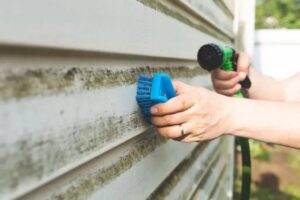
Every Florida homeowner knows that keeping a house looking fresh is a constant battle against nature. Our state is famous for beautiful sunshine, but

If you have a pool at home in Cocoa, FL, you already know how much fun it is during a hot summer day. But