
Why October Is a Smart Time to Schedule House Washing
October falls right in the sweet spot of the fall cleaning season. Florida homeowners should generally plan to wash their homes at least once
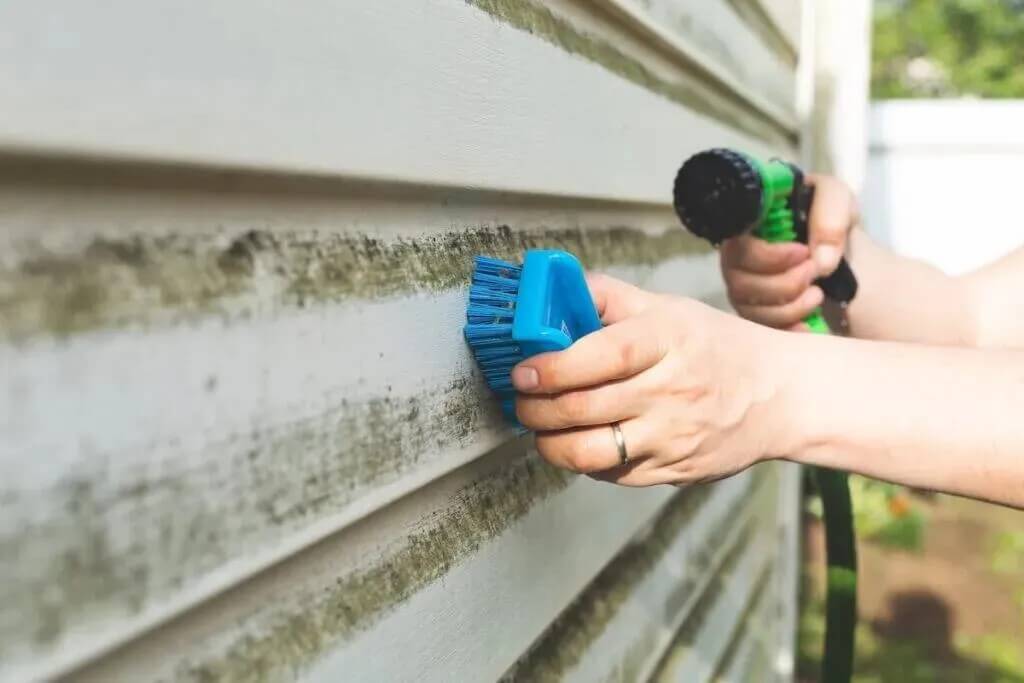
Every Florida homeowner knows that keeping a house looking fresh is a constant battle against nature. Our state is famous for beautiful sunshine, but it is also famous for sticky, heavy humidity. If you take a close look at the exterior of your home, you might notice strange green streaks or dark patches spreading across your siding. This is not just regular dirt from a windy day. It is a live biological buildup, and ignoring it can lead to some major headaches for your property.
That green or black coating spreading across your walls is usually a mix of algae, mold, and mildew. Because Florida experiences sustained high relative humidity and warm temperatures throughout most of the year, it creates a perfect breeding ground for these organisms. Studies show that when high moisture loads combine with moderate-to-warm temperatures over time, the risk of rapid biological growth on building envelopes skyrockets.
Algae thrives on moisture and sunlight, using the dust and organic matter on your walls as food. It typically starts on the north side of your house or under shady tree canopies where the morning dew takes the longest to dry. Once it gets a foothold, it spreads quickly across vinyl, stucco, and wood.
The colorful coating on your home is actually an accumulation of green algae, cyanobacteria, and mold spores. These tiny organisms are naturally present in the air, and they constantly look for a comfortable place to settle down and multiply.
Our local environment provides the absolute perfect breeding ground for these microscopic invaders. For biological organisms to grow rapidly on building materials, they require consistent warmth, plenty of shade, and high moisture levels. Scientific climate overviews focused on weathering track how atmospheric pollution and dust settle onto exterior walls, acting as a direct food source for traveling colonies of cyanobacteria like Gloeocapsa. Because Florida gets an incredible amount of rain alongside daily morning humidity, the north-facing and heavily shaded sides of your house rarely dry out completely, allowing the algae to thrive.

While a little green tint might just look unappealing at first, letting it sit on your home can slowly ruin the materials underneath. Different types of siding react to organic growth in very different ways.
Allowing organic matter to completely cover the outside of your house can eventually impact the comfort and safety inside your living spaces.
When algae colonies expand, they often team up with mold and mildew. As the wind blows against your exterior walls, millions of microscopic spores are released into the air right next to your windows, doors, and air conditioning intake vents. This airborne mixture can aggravate seasonal allergies and trigger asthma symptoms for your family. Furthermore, thick patches of damp algae create an inviting home for tiny pests, including moisture-loving bugs like termites and ants, which can easily find a small crack and migrate into your drywall.

Getting rid of stubborn exterior buildup requires specialized care to avoid cracking your panels or blasting water deep behind your walls. Contact Beacon Cleaning today at (321) 507-4851 to schedule a professional, gentle soft-wash evaluation. Our experienced local team will safely clear away the grime, kill the underlying spores, and keep your Florida property looking spotless and beautiful for the long haul.
October falls right in the sweet spot of the fall cleaning season. Florida homeowners should generally plan to wash their homes at least once
Under normal conditions, you should pressure wash your fence every 12 to 18 months. However, some residential properties only require a thorough cleaning every
Living in Brevard County brings sunny beaches, warm ocean breezes, and the occasional severe coastal weather. When tropical storms or summer severe weather roll
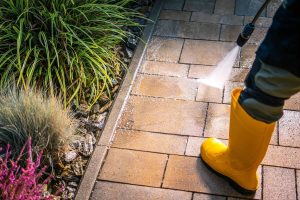
Regular pressure washing keeps Florida sidewalks safe, clean, and free from the heavy buildup caused by the state’s unique climate. Living along the Space

Is DIY House Washing Really Worth the Risk in Cocoa, FL? Renting a pressure washer for a weekend project might seem like a quick
Is your storefront or office building putting its best foot forward? Owning or managing a business in Cocoa, Florida, comes with great local perks,
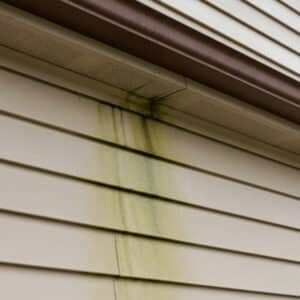
If you take a close look at houses around Florida, you will notice a common problem spreading across many of them. Dark green patches

Your pool deck should be a place to relax, not a source of stress. But if your pavers are starting to look worn, stained,

If you have a pool at home in Cocoa, FL, you already know how much fun it is during a hot summer day. But