
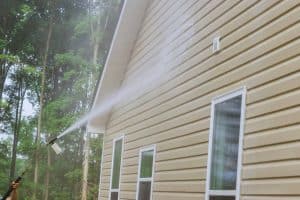
How to Clean Your Home’s Exterior After Florida Storms
Living in Brevard County brings sunny beaches, warm ocean breezes, and the occasional severe coastal weather. When tropical storms or summer severe weather roll

If you have a pool at home in Cocoa, FL, you already know how much fun it is during a hot summer day. But have you ever looked down at your pool deck pavers and noticed dark green or black stains, slippery patches, or dull, faded stone? That is not just dirt. That is what happens when Florida’s climate works on your outdoor surfaces. Regular pressure washing is not a luxury here. It is a necessity. Here is why.
The short answer is yes, and by a large margin. Cocoa sits along Florida’s Space Coast, where warm temperatures and high coastal humidity are present almost every single day of the year. This combination creates the perfect environment for mold, mildew, and algae to grow rapidly on any wet surface, including your pool deck.
According to the U.S. Environmental Protection Agency, indoor relative humidity should be kept below 60 percent to prevent mold growth. Outdoor surfaces in Cocoa regularly experience humidity levels that exceed this threshold, especially during summer and rainy season. When moisture settles into the small pores and joints of your pavers, mold and algae begin growing within days. Add the salt air blowing in from the Atlantic Ocean, and your pavers are fighting a battle on multiple fronts every single month.
Beyond the humidity, Cocoa also receives intense UV rays year-round. That constant sun exposure bleaches and weakens the surface of pavers over time, causing colors to fade and materials to become more brittle. Storm debris, fallen leaves, and pool splashback from chlorine only add to the problem. Without regular cleaning, these factors compound quickly.

Yes, and this is one of the most important reasons to keep up with pressure washing. A pool deck covered in algae, mildew, or mold is extremely slippery, especially when wet. Barefoot kids, elderly family members, and guests are all at risk of a serious slip-and-fall accident when the surface is not properly maintained.
OSHA identifies wet floors and contaminants on walking surfaces as direct causes of slips, trips, and falls, and emphasizes the importance of keeping surfaces clean and dry to prevent injuries. While this guidance targets workplaces, the same principle applies directly to residential pool decks where wet, bare feet are the norm.
Black mold and green algae make pool decks dangerously slippery, and this is considered a safety issue, not just an aesthetic one. In a city like Cocoa where you can use your pool for most of the year, this risk is not seasonal. It is year-round.
Pool deck pavers look solid, but they are actually porous materials. That means dirt, sand, silt, chlorine residue, and organic matter can work their way into the surface over time. Once embedded, these contaminants begin breaking down the stone from the inside out.
The sandy, salty environment of Brevard County makes this problem worse. Silt and sand carried by the coastal breeze act like tiny pieces of sandpaper when ground into paver joints. Over time, this causes chips, cracks, and surface erosion. Chlorine and pool chemicals that splash onto the deck also dry out and weaken the material, making pavers brittle and prone to cracking.
Mold can infiltrate porous materials and grow inside empty spaces or crevices, making it difficult or impossible to completely remove without proper treatment. This is exactly why a simple garden hose rinse is not enough. Pressure washing uses controlled water pressure to flush out these contaminants from the pores of your pavers before they cause permanent damage.
Catching this buildup early through regular cleaning can save you thousands of dollars in repairs or paver replacement down the road.
Given the climate here, more frequent cleaning is needed than in most other parts of the country. Professionals recommend cleaning pool decks every six to twelve months in Florida, with decks in heavily shaded areas or those with frequent pool use needing quarterly attention to prevent dangerous algae buildup.
For homeowners in Cocoa, every one to three months is a reasonable target, especially if your deck is partially shaded or surrounded by trees that drop debris. The quicker mold and algae are removed, the less damage they can do to your pavers and the safer your pool area stays.

Skipping regular cleaning might seem like a harmless way to save time, but the consequences add up fast. Here is what typically happens when pool deck pavers in Cocoa go too long without pressure washing:
What could have been a simple pressure wash every few months can turn into a costly paver replacement or resurfacing project.
If your pool deck pavers are starting to look green, feel slippery, or show signs of staining and wear, do not wait any longer. Beacon Cleaning provides professional pressure washing services right here in Cocoa, FL, designed specifically to handle the challenges that come with our coastal climate. We help homeowners keep their pool areas clean, safe, and looking great all year long.
Call Beacon Cleaning today at (321) 507-4851 to schedule your pool deck pressure washing. Your pavers, your family, and your guests will thank you.
You can, but getting the pressure wrong risks surface damage. A professional knows the right PSI for your specific paver material and uses proper technique to avoid costly mistakes.
Yes, though stubborn rust stains may need a pre-treatment with a rust-removing solution before pressure washing for best results.
Most pool deck pavers dry within a few hours under Cocoa’s sunny conditions. Avoid foot traffic until the surface is fully dry to prevent slipping.
Yes. Sealing after a thorough cleaning protects pavers from future staining, UV fading, and moisture penetration, extending their lifespan significantly.
Pressure washing removes surface buildup and can restore a lot of the original color. However, deep UV fading may require sealing or re-sanding to fully refresh the appearance.
Living in Brevard County brings sunny beaches, warm ocean breezes, and the occasional severe coastal weather. When tropical storms or summer severe weather roll
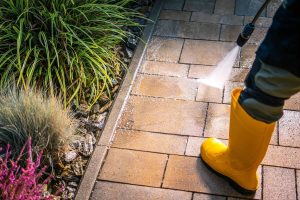
Regular pressure washing keeps Florida sidewalks safe, clean, and free from the heavy buildup caused by the state’s unique climate. Living along the Space

Is DIY House Washing Really Worth the Risk in Cocoa, FL? Renting a pressure washer for a weekend project might seem like a quick
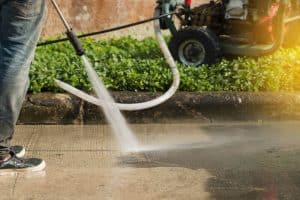
Is your storefront or office building putting its best foot forward? Owning or managing a business in Cocoa, Florida, comes with great local perks,
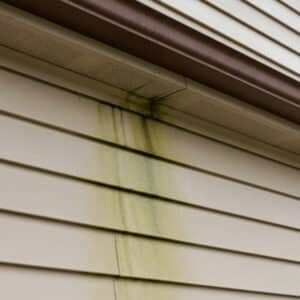
If you take a close look at houses around Florida, you will notice a common problem spreading across many of them. Dark green patches
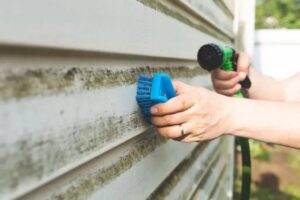
Every Florida homeowner knows that keeping a house looking fresh is a constant battle against nature. Our state is famous for beautiful sunshine, but

Your pool deck should be a place to relax, not a source of stress. But if your pavers are starting to look worn, stained,

Living in Cocoa, FL means your home faces heat, humidity, rain, and salty coastal air almost all year. Those conditions may feel normal to

In Titusville, pavers deal with more than just normal wear. They face strong sun, heavy rain, humidity, and salty coastal air. That matters because