
Why October Is a Smart Time to Schedule House Washing
October falls right in the sweet spot of the fall cleaning season. Florida homeowners should generally plan to wash their homes at least once
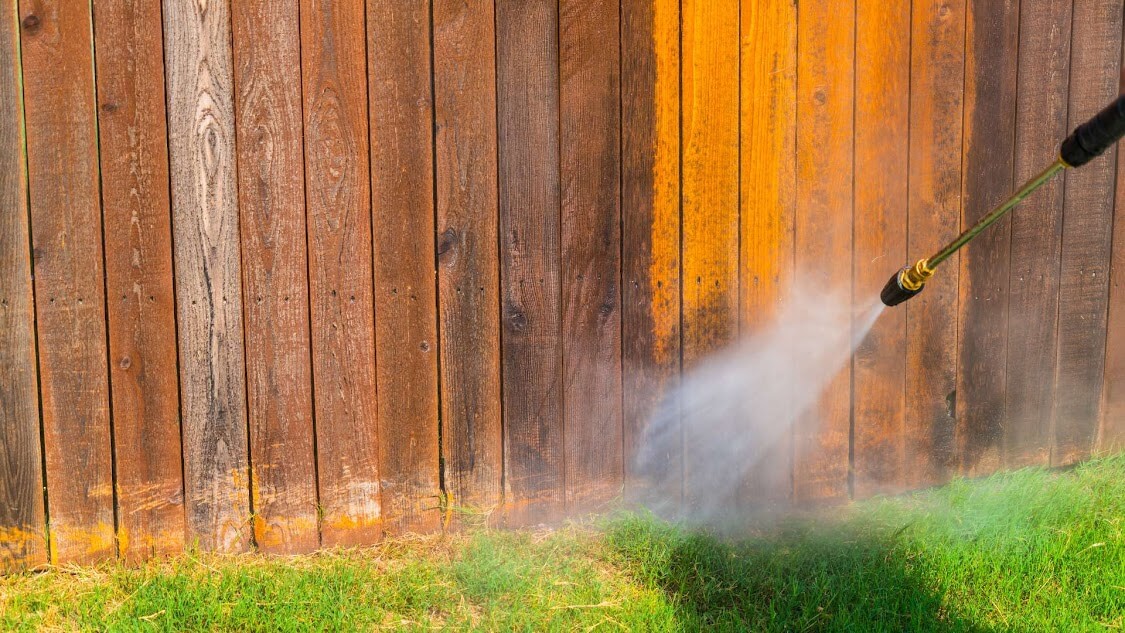
Under normal conditions, you should pressure wash your fence every 12 to 18 months. However, some residential properties only require a thorough cleaning every 18 to 24 months if they are sheltered from extreme environmental exposure and remain relatively clean.
On the flip side, properties surrounded by heavy tree cover, dense shade, or constant moisture often need attention every 6 to 12 months because organic growth accelerates. Rather than sticking strictly to a calendar, the best approach is to monitor the surface condition. Visible green algae, dark streaks, soot, or caked-on mud indicate that your fence is ready for a professional wash.
Florida weather makes fences get dirty faster because our constant humidity, intense solar heat, and frequent rain showers create the ultimate breeding ground for organic growth. In Titusville, Florida, damp ocean air and warm temperatures allow airborne spores to thrive on outdoor surfaces year-round.
Shaded yard sections stay moist long after afternoon thunderstorms pass, giving mildew and green algae a foothold on wood, vinyl, and metal panels. Fallen leaves, pollen catkins, and windblown dirt accumulate in corners, holding trapped water against structural posts. While every property in Titusville gets slightly different sun exposure, local outdoor conditions generally require more regular fence care than in cooler or arid regions.

Different fence materials react uniquely to environmental factors, which directly dictates how often they require a fresh wash.
Wood fibers naturally retain moisture, making timber fences prone to collecting moss, algae, and deep-seated grime. Research on wood preservation from the USDA Forest Service Forest Products Laboratory shows that unmaintained exterior wood absorbs moisture rapidly, encouraging microorganism growth that degrades surface aesthetics. Annual cleaning with low-pressure soft washing techniques keeps organic buildup from settling into wood pores without damaging delicate timber fibers.
Bright white or tan vinyl panels show green algae growth and dark dirt very clearly. Fortunately, synthetic materials do not absorb moisture, making surface buildup relatively easy to remove. A thorough yearly cleaning generally keeps vinyl looking like the day it was installed.
Wrought iron and aluminum fencing accumulate pollen, road grime, and bird droppings over time. Depending on your landscaping and surrounding tree cover, metal barriers typically need fence cleaning every 18 to 24 months, focusing on removing salt spray and dirt without scratching protective powder coatings.
Composite materials combine wood flour and plastic resins and require strict adherence to manufacturer care guidelines. Cleaning intervals usually range from 12 to 24 months, depending on shade and nearby vegetation.
No, pressure washing does not damage a fence when you use the right pressure settings, nozzles, and cleaning solutions. Damage occurs only when unqualified operators use excessive pressure or hold high-pressure tips too close to fragile surfaces.
Softwood species are particularly vulnerable to high pressure, which can strip, gouge, or splinter wood grain permanently. Professional fence washing utilizes low-pressure soft wash techniques paired with eco-friendly cleaning agents, ensuring dirt and organic spores melt away safely without harming your investment.

Regular fence cleaning removes organic spores early, preventing heavy algae colonies from embedding into surface crevices. Routine maintenance keeps your boundary lines bright and makes future washings faster and more effective.
Maintaining your perimeter line complements other routine exterior care services like driveway, sidewalk, and house washing, creating a polished curb appeal across your entire property. Treating fence care as part of a complete exterior maintenance routine prevents deep staining before it takes hold.
The best time to pressure wash a fence in Titusville is whenever visible organic growth appears or during your annual spring and fall cleaning schedules. Because Central Florida enjoys mild temperatures year-round, you can comfortably complete professional exterior washing in any season.
Scheduling a cleanout right after pollen season ends or before major outdoor gatherings ensures your backyard space looks spotless for family guests and seasonal events.
While a general guideline suggests cleaning your home’s boundaries about once a year, Titusville’s unique combination of heat, humidity, and coastal moisture ultimately dictates your exact maintenance schedule. Regularly inspect your yard perimeter for green algae, dark mildew, and built-up grime to keep your property in top shape.
If your fence shows signs of stubborn discoloration or heavy organic growth, trust the local experts at Beacon Cleaning to restore its original beauty safely. Contact our team today at (321) 507-4851 to schedule your professional fence cleaning in Titusville, FL, and revive your home’s exterior today!
October falls right in the sweet spot of the fall cleaning season. Florida homeowners should generally plan to wash their homes at least once
Living in Brevard County brings sunny beaches, warm ocean breezes, and the occasional severe coastal weather. When tropical storms or summer severe weather roll
Regular pressure washing keeps Florida sidewalks safe, clean, and free from the heavy buildup caused by the state’s unique climate. Living along the Space

Is DIY House Washing Really Worth the Risk in Cocoa, FL? Renting a pressure washer for a weekend project might seem like a quick
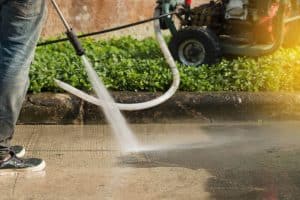
Is your storefront or office building putting its best foot forward? Owning or managing a business in Cocoa, Florida, comes with great local perks,
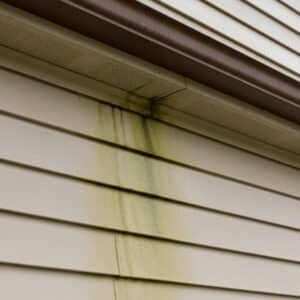
If you take a close look at houses around Florida, you will notice a common problem spreading across many of them. Dark green patches
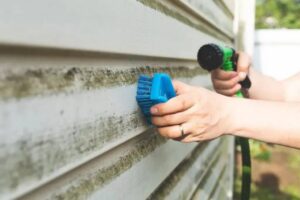
Every Florida homeowner knows that keeping a house looking fresh is a constant battle against nature. Our state is famous for beautiful sunshine, but

Your pool deck should be a place to relax, not a source of stress. But if your pavers are starting to look worn, stained,

If you have a pool at home in Cocoa, FL, you already know how much fun it is during a hot summer day. But