
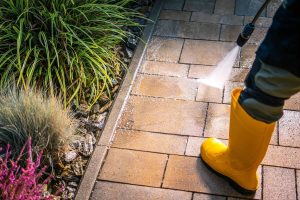
Why Should Florida Homeowners Pressure Wash Their Sidewalks Regularly?
Regular pressure washing keeps Florida sidewalks safe, clean, and free from the heavy buildup caused by the state’s unique climate. Living along the Space
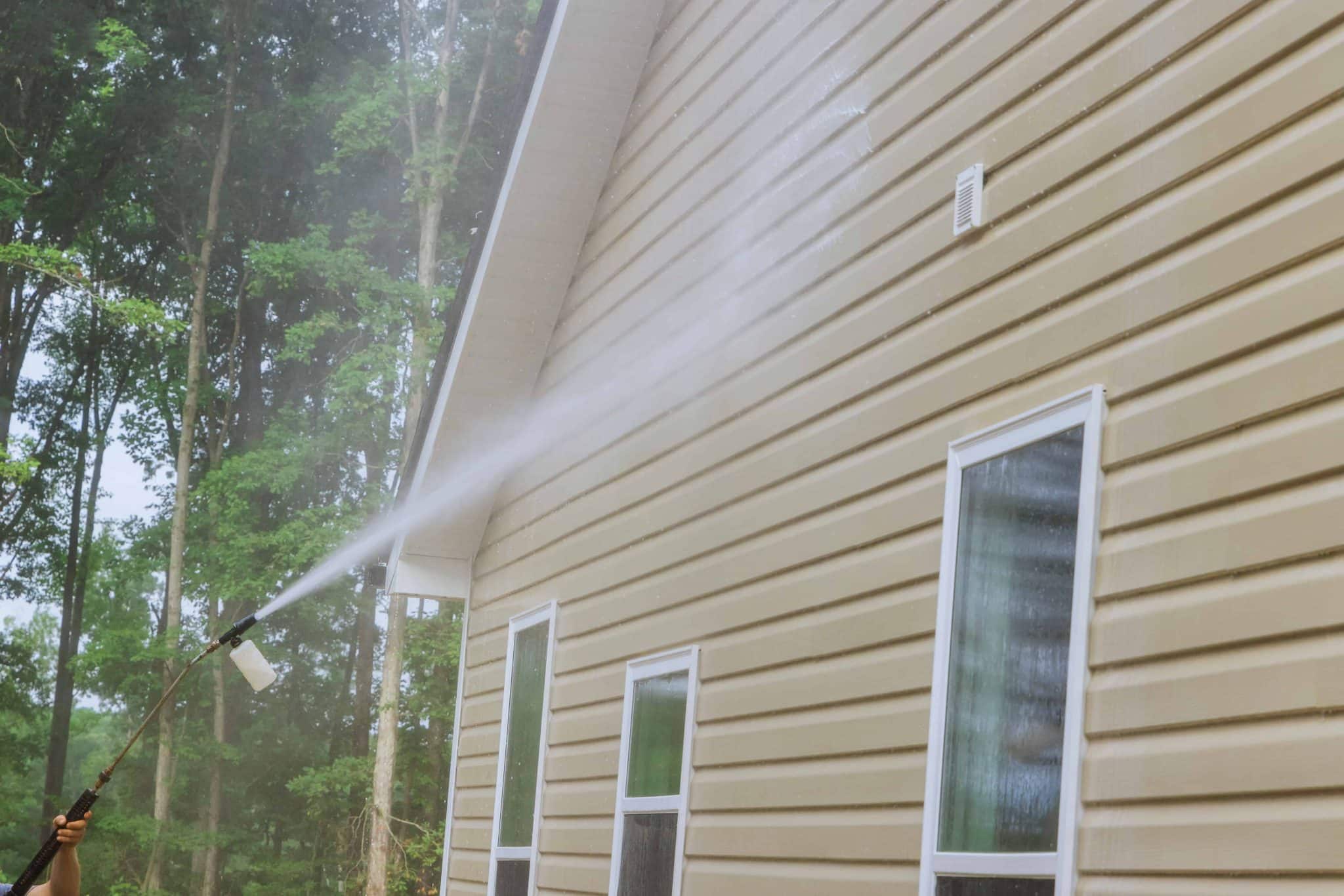
Living in Brevard County brings sunny beaches, warm ocean breezes, and the occasional severe coastal weather. When tropical storms or summer severe weather roll through the Space Coast, they leave behind quite a mess. High winds blow heavy ocean mist, mud, debris, and shredded vegetation against your siding and outdoor living areas.
Cleaning up after a storm is about more than just maintaining curb appeal. It protects your property from long-term moisture damage, structural decay, and aggressive mold growth.
Florida’s heat and humidity create an ideal environment for organic matter to thrive on damp surfaces. Tackling the cleanup process step by step ensures your home remains safe, dry, and structurally sound.
Before picking up a rake, pulling out a hose, or starting any equipment, pause and check your surroundings for potential safety hazards. Storm damage can create hidden dangers around your yard and home exterior.
According to safety guidelines from the University of Florida IFAS Extension, post-storm cleanup requires careful site inspection before work begins. Taking simple precautions protects you and your family from unexpected injuries while working outside.
If you see downed power cables or suspect electrical issues, call Brevard County emergency management or your local utility company right away. Never attempt to handle electrical hazards on your own.

Once you know the area is safe, you can start removing the heavy mess left behind by high winds and torrential rain. Clearing debris quickly prevents grass from dying and stops mold from taking root on your hardscapes.
The National Oceanic and Atmospheric Administration (NOAA) reports that tropical cyclones are the costliest natural disasters in the U.S., causing over $1.5 trillion in total property and infrastructure damage since 1980. Proper post-storm maintenance helps mitigate long-term structural decay.
Separate your yard waste into clear piles to help city workers pick it up faster. Place organic material like limbs and leaves in one area, and put damaged building materials like ruined fencing or aluminum fascia in another. Keeping your waste organized speeds up Brevard County storm cleanup services and keeps your curb neat.
Trim back broken tree limbs that pose an immediate risk to your driveway, roof, or walkways. Use a sturdy hand saw or chainsaw only if you are confident and experienced in operating one safely. Always cut pieces into manageable sizes so you do not strain your back while carrying them to the curb.
Remove heavy leaves, pine needles, and mud from your gutter channels and downspouts. When gutters clog during Florida rainstorms, water backs up under your roof shingles and spills over onto your home’s foundation. Ensuring your drainage system flows freely prevents thousands of dollars in water damage to your soffits and exterior walls.

Start the exterior washing process by gently rinsing off loose surface mud, grit, and sand. Avoid blasting surfaces with high pressure immediately, as coarse grit can scratch paint and damage delicate building materials.
High pressure water can strip paint, crack aged vinyl, and blast hole cuts into soft Florida stucco. For delicate exterior surfaces, low-pressure soft washing offers a safer, more effective cleaning method.
Soft washing uses specialized, eco-friendly cleaning formulas paired with gentle water pressure—typically below 500 PSI—to treat surfaces. Instead of using raw force to blast surface dirt, the specialized solution breaks down stubborn algae spores, black mold, and embedded salt deposits at the root. This gentle approach cleans thoroughly without compromising window seals, lifting shingles, or driving moisture behind exterior walls.
When storm cleanup feels too heavy, or when your home requires deep exterior revitalization, calling in trained experts saves you time, stress, and potential property damage. A dedicated team offering expert pressure cleaning and high-quality pressure washing in Melbourne, FL has the commercial tools, proper safety ladders, and experienced hands needed to restore your driveway, roof, and siding quickly and safely.
Don’t let post-storm grime, mold, and salt spray ruin your home’s curb appeal or damage your paint. Contact Beacon Cleaning today at (321) 507-4851 for your premier power washing service in Melbourne, FL!
Regular pressure washing keeps Florida sidewalks safe, clean, and free from the heavy buildup caused by the state’s unique climate. Living along the Space

Is DIY House Washing Really Worth the Risk in Cocoa, FL? Renting a pressure washer for a weekend project might seem like a quick
Is your storefront or office building putting its best foot forward? Owning or managing a business in Cocoa, Florida, comes with great local perks,
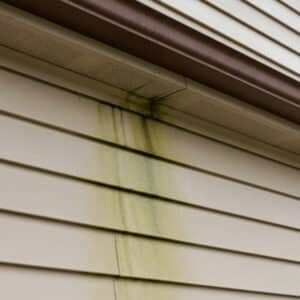
If you take a close look at houses around Florida, you will notice a common problem spreading across many of them. Dark green patches
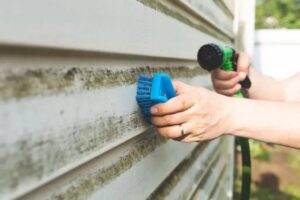
Every Florida homeowner knows that keeping a house looking fresh is a constant battle against nature. Our state is famous for beautiful sunshine, but

Your pool deck should be a place to relax, not a source of stress. But if your pavers are starting to look worn, stained,

If you have a pool at home in Cocoa, FL, you already know how much fun it is during a hot summer day. But

Living in Cocoa, FL means your home faces heat, humidity, rain, and salty coastal air almost all year. Those conditions may feel normal to

In Titusville, pavers deal with more than just normal wear. They face strong sun, heavy rain, humidity, and salty coastal air. That matters because