How to Clean Your Home Exterior

How to Clean Your Home’s Exterior After Florida Storms

Living in Brevard County brings sunny beaches, warm ocean breezes, and the occasional severe coastal weather. When tropical storms or summer severe weather roll through the Space Coast, they leave behind quite a mess. High winds blow heavy ocean mist, mud, debris, and shredded vegetation against your siding and outdoor living areas.
Cleaning up after a storm is about more than just maintaining curb appeal. It protects your property from long-term moisture damage, structural decay, and aggressive mold growth.

Florida’s heat and humidity create an ideal environment for organic matter to thrive on damp surfaces. Tackling the cleanup process step by step ensures your home remains safe, dry, and structurally sound.

How Do You Perform Essential Safety Checks First?

Before picking up a rake, pulling out a hose, or starting any equipment, pause and check your surroundings for potential safety hazards. Storm damage can create hidden dangers around your yard and home exterior.

According to safety guidelines from the University of Florida IFAS Extension, post-storm cleanup requires careful site inspection before work begins. Taking simple precautions protects you and your family from unexpected injuries while working outside.

  • Look for danger: Walk around your property to check for loose roofing materials, cracked window glass, hanging tree limbs, and unstable building structures.
  • Wear gear: Put on sturdy closed-toe work boots, heavy-duty work gloves, and protective eyewear before handling any debris.
  • Stay away: Maintain a wide distance from fallen power lines, leaning utility poles, or standing water that might cover submerged electrical connections.

If you see downed power cables or suspect electrical issues, call Brevard County emergency management or your local utility company right away. Never attempt to handle electrical hazards on your own.

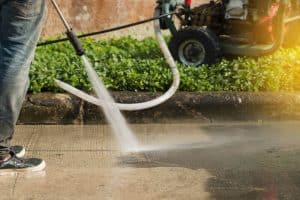
patio ceiling cleaning

How Do You Safely Clear Yard Debris and Mud?

Once you know the area is safe, you can start removing the heavy mess left behind by high winds and torrential rain. Clearing debris quickly prevents grass from dying and stops mold from taking root on your hardscapes.

The National Oceanic and Atmospheric Administration (NOAA) reports that tropical cyclones are the costliest natural disasters in the U.S., causing over $1.5 trillion in total property and infrastructure damage since 1980. Proper post-storm maintenance helps mitigate long-term structural decay.

Sort Waste

Separate your yard waste into clear piles to help city workers pick it up faster. Place organic material like limbs and leaves in one area, and put damaged building materials like ruined fencing or aluminum fascia in another. Keeping your waste organized speeds up Brevard County storm cleanup services and keeps your curb neat.

Cut Branches

Trim back broken tree limbs that pose an immediate risk to your driveway, roof, or walkways. Use a sturdy hand saw or chainsaw only if you are confident and experienced in operating one safely. Always cut pieces into manageable sizes so you do not strain your back while carrying them to the curb.

Clear Gutters

Remove heavy leaves, pine needles, and mud from your gutter channels and downspouts. When gutters clog during Florida rainstorms, water backs up under your roof shingles and spills over onto your home’s foundation. Ensuring your drainage system flows freely prevents thousands of dollars in water damage to your soffits and exterior walls.

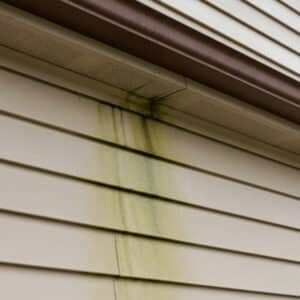
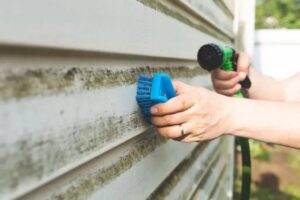
soft washing a siding

How Can You Safely Rinse Siding and Protect Landscaping?

Start the exterior washing process by gently rinsing off loose surface mud, grit, and sand. Avoid blasting surfaces with high pressure immediately, as coarse grit can scratch paint and damage delicate building materials.

  • Protect plants: Saturate surrounding gardens and tropical shrubs with fresh water before and after applying outdoor cleaning solutions to safeguard foliage.
  • Rinse siding: Spray your walls from top to bottom using a low-pressure setting to wash away surface dust and loose mud without forcing water behind siding panels.

Why Is a Soft Wash System the Best Choice for Storm Cleanup?

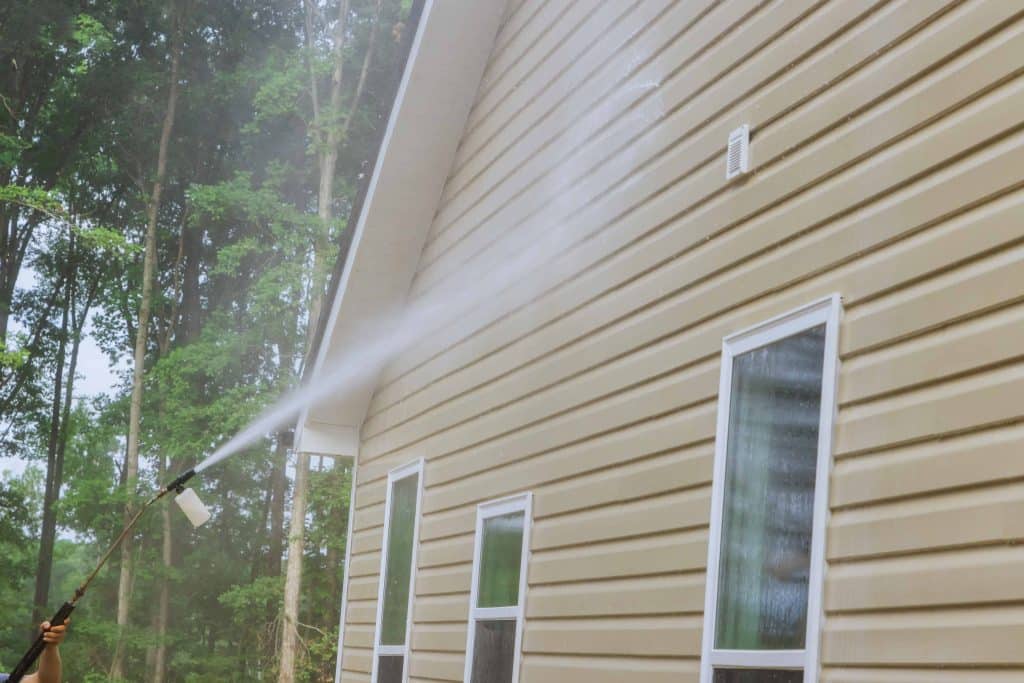
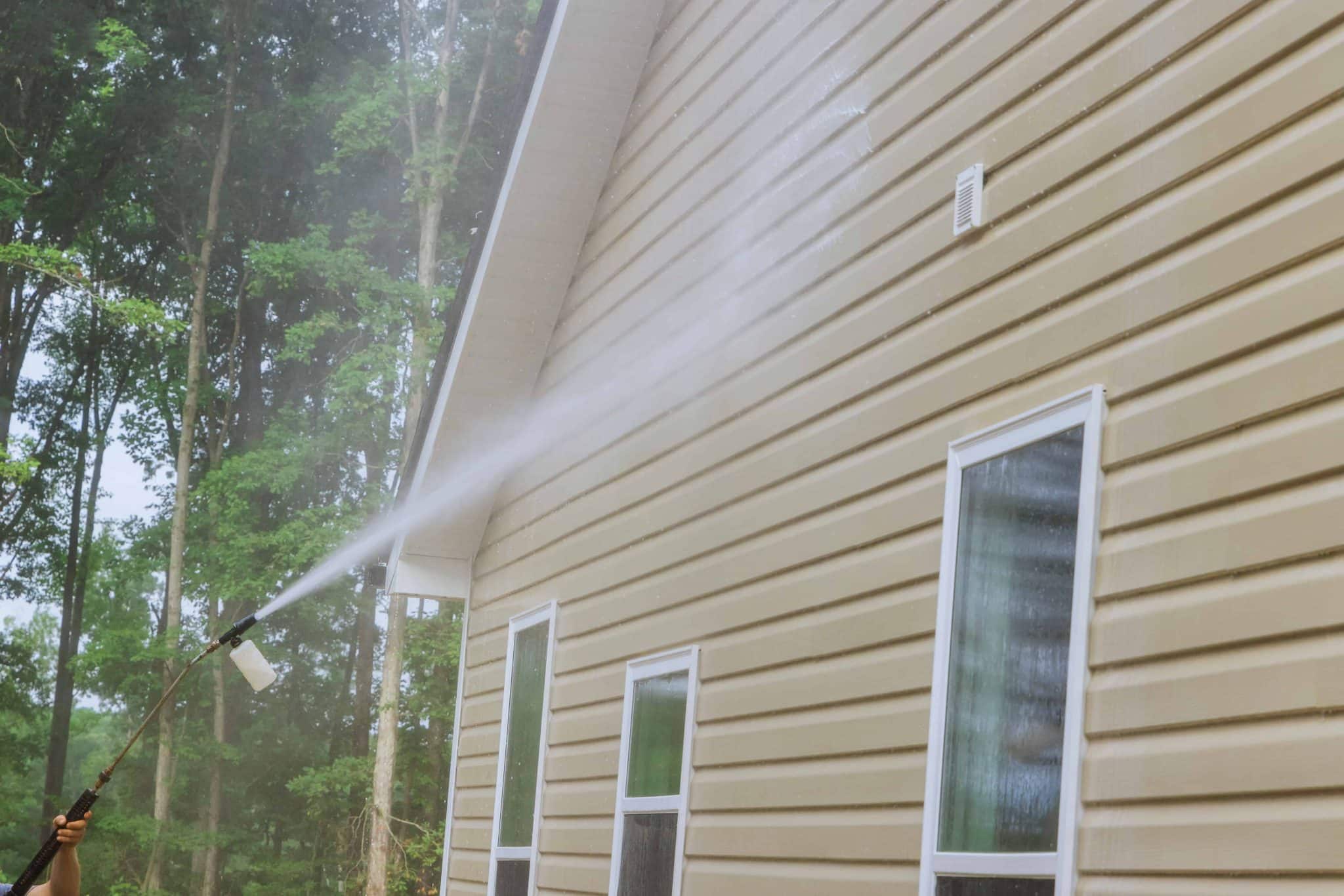
High pressure water can strip paint, crack aged vinyl, and blast hole cuts into soft Florida stucco. For delicate exterior surfaces, low-pressure soft washing offers a safer, more effective cleaning method.

Soft washing uses specialized, eco-friendly cleaning formulas paired with gentle water pressure—typically below 500 PSI—to treat surfaces. Instead of using raw force to blast surface dirt, the specialized solution breaks down stubborn algae spores, black mold, and embedded salt deposits at the root. This gentle approach cleans thoroughly without compromising window seals, lifting shingles, or driving moisture behind exterior walls.

Ready to Restore Your Home's Exterior?

When storm cleanup feels too heavy, or when your home requires deep exterior revitalization, calling in trained experts saves you time, stress, and potential property damage. A dedicated team offering expert pressure cleaning and high-quality pressure washing in Melbourne, FL has the commercial tools, proper safety ladders, and experienced hands needed to restore your driveway, roof, and siding quickly and safely.

Don’t let post-storm grime, mold, and salt spray ruin your home’s curb appeal or damage your paint. Contact Beacon Cleaning today at (321) 507-4851 for your premier power washing service in Melbourne, FL!

Read more

How to Clean Your Home’s Exterior After Florida Storms Read More »

Sidewalks Pressure Wash

Why Should Florida Homeowners Pressure Wash Their Sidewalks Regularly?

Regular pressure washing keeps Florida sidewalks safe, clean, and free from the heavy buildup caused by the state’s unique climate.

Living along the Space Coast, we enjoy plenty of sunshine, but we also deal with brutal humidity, frequent afternoon downpours, and salty coastal air. This combination creates the ultimate storm for your home’s exterior flat surfaces. Concrete is porous, acting like a hard sponge that traps moisture, dirt, and organic growth. When left untreated, a walkway degrades quickly. Investing in routine exterior cleaning keeps your walkways looking sharp while preventing long-term structural damage.

Why Does The Local Florida Climate Impact Your Concrete Sidewalks?

Florida heat paired with heavy rainfall makes concrete walkways prime real estate for unwanted organic growth. Sunlight speeds up biological development, while frequent summer rain delivers a steady supply of moisture.

When damp conditions linger under oak canopy shade or near irrigated lawns, microscopic spores take root deep inside the porous surface of the concrete. Over a few short weeks, a light dust coating transforms into a thick layer of slick grime. Without routine maintenance, this constant exposure causes deep staining and surface deterioration.

What Are The Key Benefits Of Pressure Washing Sidewalks?

Pressure washing delivers far more than just a quick cosmetic refresh for your entryways. Cleaning your concrete walkways restores your property’s overall structural safety and long-term financial value.

Removes Stubborn Mold and Dark Algae

Central Florida humidity creates an ideal environment for biological growth on outdoor surfaces. Cyanobacteria and terrestrial algae thrive on humid outdoor structural materials, rapidly colonizing porous surfaces. These organisms dig into tiny concrete crevices, turning clean gray walkways into patchy, dark green or black eyesores. Standard garden hoses cannot clear out these deeply embedded roots, but professional pressure cleaning flushes them out completely.

Prevents Dangerous Slip Hazards

When algae, mold, and mildew mix with rain or morning dew, they turn your walkways as slick as ice. Data provided by the Florida Department of Health confirms that unintentional falls represent the top cause of non-fatal injury hospitalizations across the state. A slick walkway poses a massive liability for family members, mail carriers, and visiting guests. Blasting away organic buildup eliminates this invisible layer of slick film, restoring natural foot traction on your concrete.

Protects Concrete Integrity and Structural Lifespan

Dirty concrete degrades faster than clean concrete. Mold and algae produce weak acidic compounds that slowly break down the lime and cement binders inside concrete. During cooler winter stretches, trapped moisture inside porous concrete expands and contracts. Over time, this leads to micro-cracking, surface scaling, and unsightly spalling that requires expensive structural repair work.

Boosts Overall Property Curb Appeal

Dirty concrete degrades faster than clean concrete. Mold and algae produce weak acidic compounds that slowly break down the lime and cement binders inside concrete. During cooler winter stretches, trapped moisture inside porous concrete expands and contracts. Over time, this leads to micro-cracking, surface scaling, and unsightly spalling that requires expensive structural repair work.

Maintains HOA Compliance and Avoids Fines

If you live in one of Melbourne’s many managed communities, keeping up with Homeowners Association rules is a daily requirement. HOA boards frequently issue violation notices for dirty, stained, or algae-covered driveways and walkways. Schedule routine cleaning to stay ahead of HOA inspections and avoid unnecessary warning letters or expensive monthly fines.

exterior cleaning service

How Often Should You Pressure Wash Concrete Walkways In Melbourne?

How often your walkways need attention depends heavily on your specific lot conditions, tree shade, and exposure to coastal weather.

Every 6 to 12 Months

For most homes exposed to direct sunlight with typical foot traffic, an annual or bi-annual pressure cleaning keeps surfaces clean. This schedule prevents algae from settling deep enough to cause permanent dark discoloration.

Every 6 Months for Shaded or Low-Lying Areas

If your property features heavy tree cover, dense palm landscaping, or poor lawn drainage, wash your walkways twice a year. Shaded concrete holds onto water much longer after summer storms, allowing algae and moss to return twice as fast.

Immediately After Heavy Summer Storms

Florida hurricane seasons and tropical storms throw massive amounts of organic debris, oak leaves, and mud across your property. Tannins leaching from fallen leaves leave deep brown stains on light concrete if left under the hot sun. A quick wash after major storm cleanups keeps these natural dyes from soaking deep into the surface.

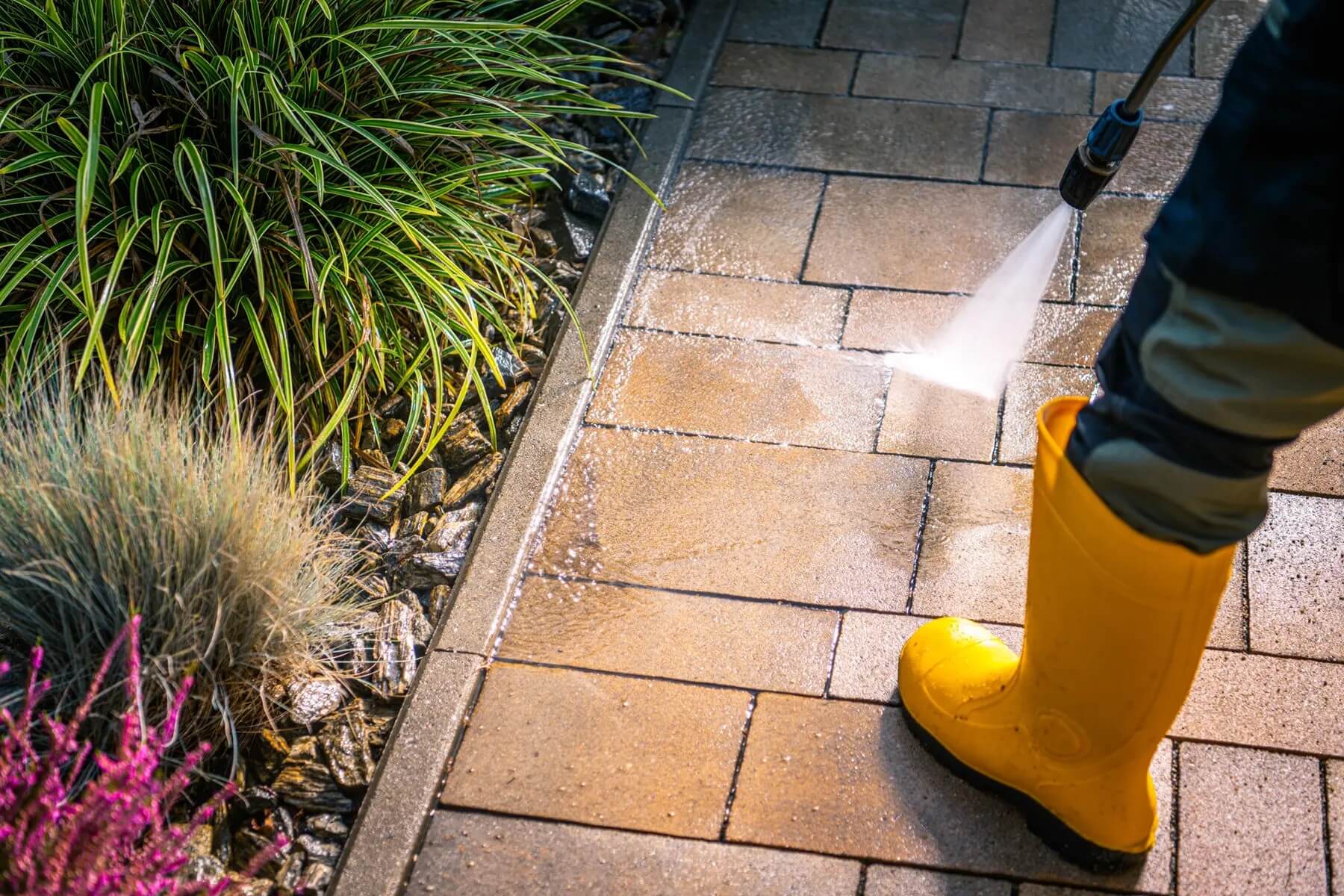
sidewalk cleaning

How Can You Get Your Sidewalks Safely Cleaned Today?

Restoring your home’s curb appeal requires specialized equipment, proper chemical mixes, and safe surface pressure settings that remove grime without damaging the concrete.

  • Walk around your property to check for dark staining, slick green patches, or HOA compliance flags.
  • Clear away potted plants, garden hoses, and low-hanging lawn decorations from your front walkway.
  • Hire experienced local specialists who understand how to clean Florida concrete safely and efficiently.

Get Safe, Reliable Service for Your Home

If you want to restore your home’s entryways, eliminate dangerous slip hazards, and keep your property looking great year-round, call in expert help. For reliable pressure washing in Melbourne, FL, call Beacon Cleaning at (321) 507-4851. Reach out today to get a quick quote from a trusted power washing service in Melbourne, FL, and enjoy clean, safe walkways again.

Read more

Why Should Florida Homeowners Pressure Wash Their Sidewalks Regularly? Read More »

Scroll to Top