
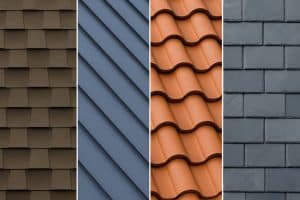
Why Pressure Washing Is Dangerous for Shingles, Tile, and Metal Roofs
Living in Rockledge, FL, means enjoying warm sunshine, ocean breezes, and plenty of humidity. Unfortunately, that high humidity also creates the perfect breeding ground
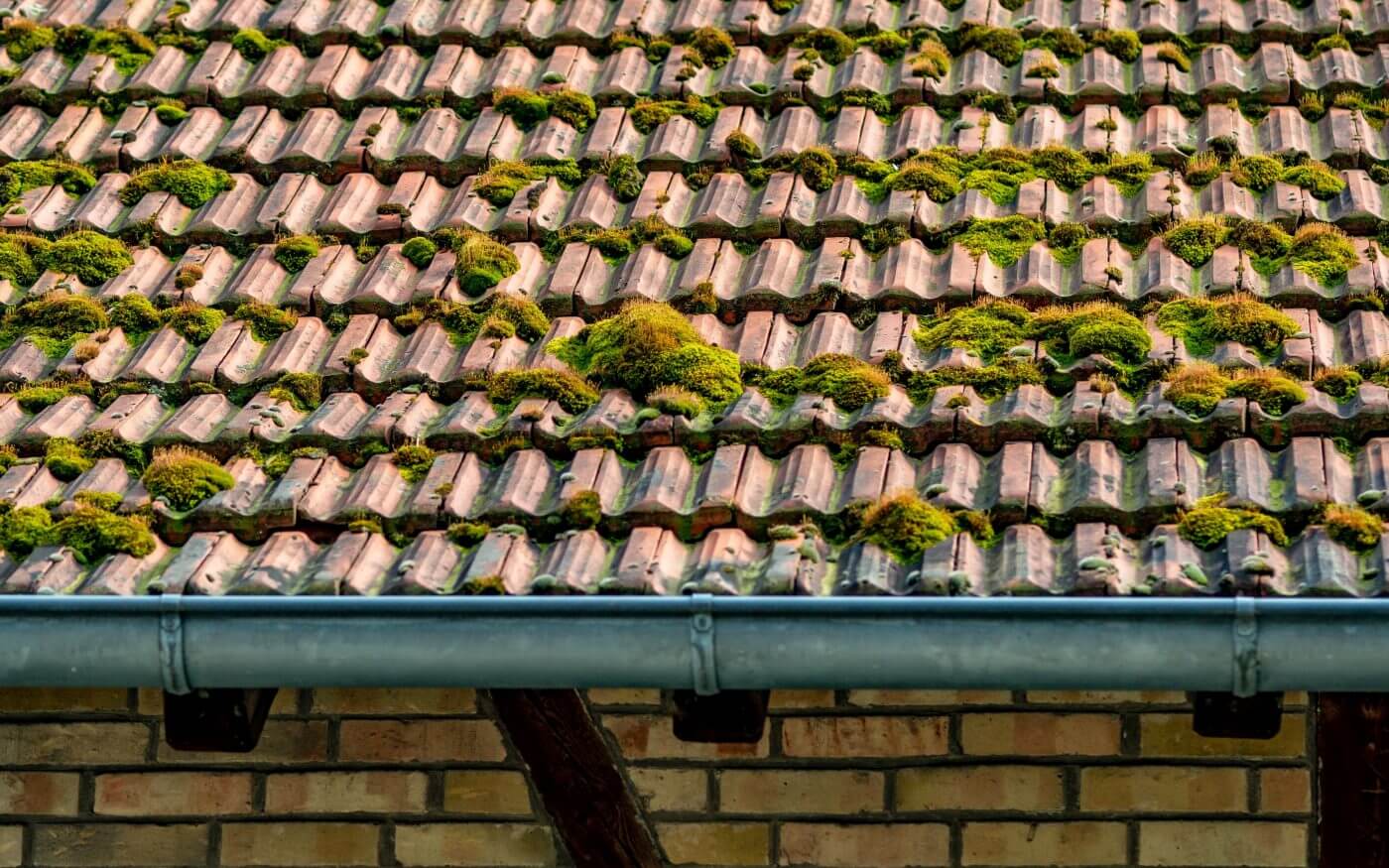
Living in Rockledge, FL, means enjoying sunny coastal breezes, but it also means dealing with extreme humidity and sudden afternoon rain showers. This constant warmth and moisture create a prime breeding ground for organic growth on residential rooftops. If you step outside and look up, you might notice unsightly dark streaks running down your shingles or green patches dusting your concrete tiles.
These discoloration marks are far more than a minor cosmetic issue. Left unchecked, biological growth and trapped moisture can gradually contribute to material degradation over time. Learning how algae and mold affect different roofing materials gives you the knowledge to protect your investment with smart, timely care.
Our local climate in Brevard County delivers high relative humidity alongside frequent precipitation, giving spores all the dampness they need to settle on building materials. Shaded sections of a roof that receive minimal sunlight stay wet longer after the rain stops.
Overhead trees also drop leaves, pine needles, and pollen. This organic debris piles up in roof valleys and around flashing, holding water like a sponge. Certain roofing products even contain limestone fillers, which supply nutrients that feed specific microscopic organisms.
It helps to understand that algae, mold, and mildew are distinct entities:
Dark roof streaks are typically caused by blue-green algae (Gloeocapsa magma), whereas actual mold requires closer inspection and usually indicates lingering, trapped moisture beneath debris or damaged materials.
Asphalt shingles are popular throughout East Central Florida, but their textured surfaces easily capture airborne spores. The most noticeable sign of growth is heavy dark staining. Beyond basic appearance, dense biological patches and trapped pine needles prevent rainwater from shedding efficiently.
Asphalt shingles rely on protective mineral granules to shield the underlying asphalt from harsh ultraviolet rays. While normal weather exposure naturally wears granules away over time, heavy moss growth or aggressive scrubbing can strip those granules prematurely. According to educational guidelines from the Asphalt Roofing Manufacturers Association (ARMA), dark streaks alone do not prove that shingles are structurally failing. However, stubborn staining often signals that water is draining slowly or debris is lingering in critical spots.

Concrete and clay tile roofs are built to endure heavy coastal winds, but they require routine maintenance to stay clean. Algae and lichens leave dark, patchy discolorations across tile surfaces, while moss and mold thrive in the gaps between overlapping tiles.
When dead leaves and soil accumulate in tile interlocks or roof valleys, they trap moisture against the underlayment underneath. While clay and concrete tiles themselves last for decades, the underlayment below them usually has a shorter lifespan. Trapped water accelerates underlayment wear.
Furthermore, cracked or displaced tiles allow damp debris to collect directly against structural decking. Homeowners who try to wash tiles with high pressure risk cracking fragile surfaces, stripping protective coatings, or blasting water beneath the tile layer.
The short answer is that biological growth alone does not automatically destroy a roof overnight. Rather, growth serves as a visible warning light that water, shade, and organic matter are hanging around longer than they should.
In coastal environments like Rockledge, asphalt shingles typically last 15 to 25 years, while tile roofs can last 30 to 50 years when properly maintained. A roof’s actual service life depends on several interconnected factors:
By catching trapped debris, damaged shingles, and drainage issues early, you prevent minor surface problems from turning into costly structural repairs.
Preventing heavy growth on your roof requires a balanced approach focused on proper drainage and gentle care. Taking simple steps around your yard makes a significant difference:
Homeowners should avoid walking across wet, algae-covered roofs. Slick surfaces pose severe fall hazards, and foot traffic can easily break delicate tiles or tear aging shingles.

If you notice broad black streaks across your roof plane, clusters of green growth along tile edges, or piles of leaf litter stuck in your valleys, it is time to bring in an expert. A qualified professional evaluates the age of your roof, checks the overall condition of your shingles or tiles, and applies dedicated soft-wash cleaning techniques that lift organic stains without damaging fragile materials.
Roof Soft Washing: Eliminates black streaks (Gloeocapsa magma) and extends shingle lifespan by reflecting solar heat efficiently.
Driveway & Walkway Surface Cleaning: Removes slick oil stains, tire marks, and dark mildew from concrete before holiday foot traffic arrives.
Screen Enclosure & Patio Wash: Clears out trapped leaves, bug nests, and green algae from pool cages and lanai framing.
Gutter Clean-Out and Brightening: Removes internal debris to ensure smooth drainage during late-fall rains while restoring external gutter face brightness.
If your roof shows signs of staining or debris accumulation, do not wait for minor moisture issues to turn into costly roof damage. Regular inspections and proper roof cleaning in Rockledge, FL help protect your investment and maintain your home’s curb appeal year after year. Contact the local team at Beacon Cleaning today at (321) 507-4851 to schedule a thorough roof inspection and discuss safe, effective cleaning options for your home.
Living in Rockledge, FL, means enjoying warm sunshine, ocean breezes, and plenty of humidity. Unfortunately, that high humidity also creates the perfect breeding ground
October falls right in the sweet spot of the fall cleaning season. Florida homeowners should generally plan to wash their homes at least once
Under normal conditions, you should pressure wash your fence every 12 to 18 months. However, some residential properties only require a thorough cleaning every
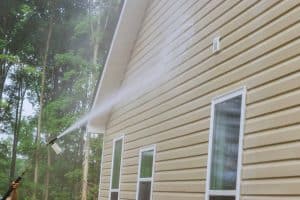
Living in Brevard County brings sunny beaches, warm ocean breezes, and the occasional severe coastal weather. When tropical storms or summer severe weather roll
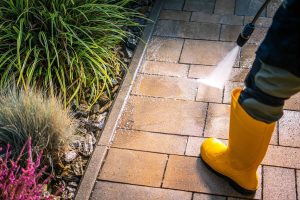
Regular pressure washing keeps Florida sidewalks safe, clean, and free from the heavy buildup caused by the state’s unique climate. Living along the Space

Is DIY House Washing Really Worth the Risk in Cocoa, FL? Renting a pressure washer for a weekend project might seem like a quick
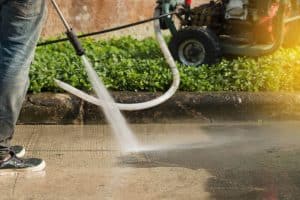
Is your storefront or office building putting its best foot forward? Owning or managing a business in Cocoa, Florida, comes with great local perks,
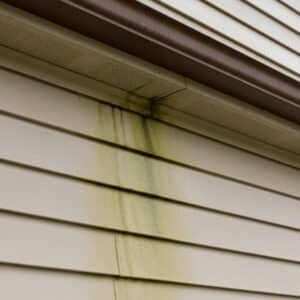
If you take a close look at houses around Florida, you will notice a common problem spreading across many of them. Dark green patches
Every Florida homeowner knows that keeping a house looking fresh is a constant battle against nature. Our state is famous for beautiful sunshine, but