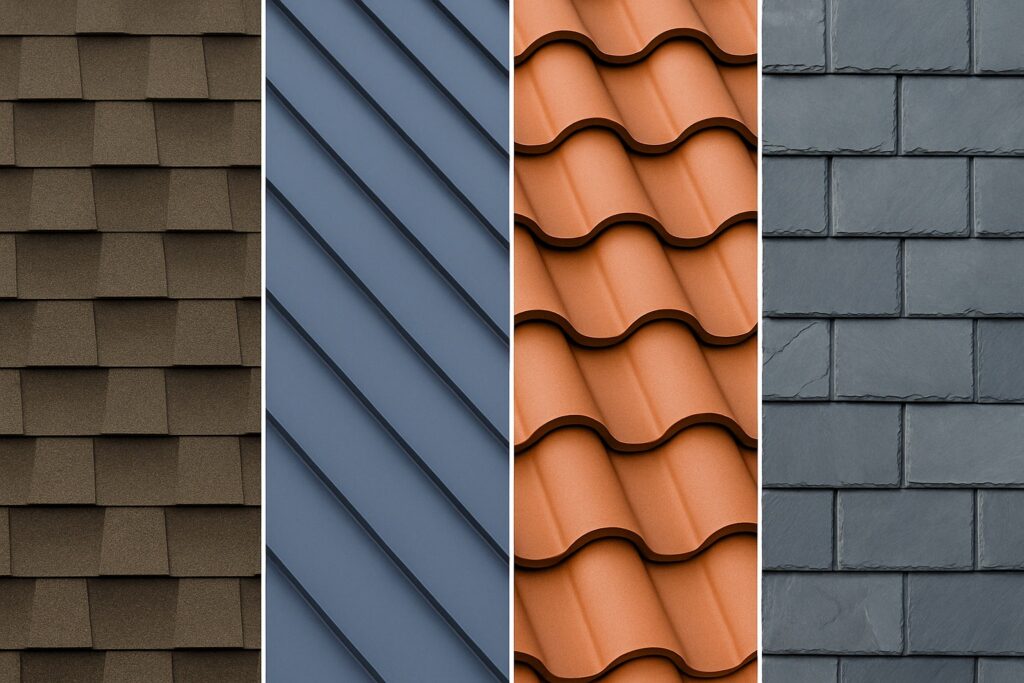
roof types metal, shingle, tile and and slate

Why Pressure Washing Is Dangerous for Shingles, Tile, and Metal Roofs

Living in Rockledge, FL, means enjoying warm sunshine, ocean breezes, and plenty of humidity. Unfortunately, that high humidity also creates the perfect breeding ground for algae, dark streaks, and grime on top of your home. When homeowners spot those ugly black stains from the driveway, it is tempting to rent a power washer or hire a quick blast service to blast the mess away.
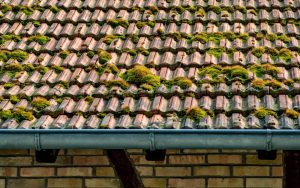
While pressure washing might seem like a fast fix, applying high-pressure water to your roof is one of the quickest ways to cause severe damage. Blasting your roof with intense water pressure can strip away essential coatings, force moisture beneath protective layers, and loosen critical components. Asphalt shingles, concrete tiles, and metal panels each have unique vulnerabilities, but none of them are built to withstand high pressure. Understanding these risks will help you protect your investment with a much safer, specialized approach to roof cleaning.

Why Is High-Pressure Roof Washing Risky?

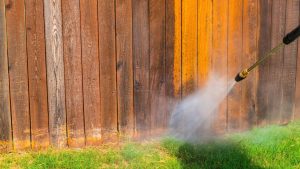
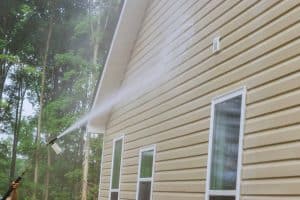
Using high-pressure water on a roof creates serious problems, even when the only goal is removing surface stains. Roofs are designed to shed falling rain naturally, not to withstand hundreds or thousands of pounds of concentrated water force directed from close range.

Excessive water pressure easily dislodges surface materials and lifts individual roofing sections. This intense force can shoot water upward under flashing, vents, and overlapping joints, trapping moisture where it can never dry naturally. Over time, that trapped water creates hidden decay, rots wooden decking, and ruins underlying underlayment. High pressure also makes existing hairline cracks worse, tears through aging sealants, and instantly turns a wet surface into an extreme slip hazard. Safe cleaning always depends on using gentle methods that respect the specific design of your roofing material.

How Can Pressure Washing Damage Asphalt Shingles?

Asphalt shingles rely on a thick layer of fine mineral granules embedded across their surface. These granules shield the underlying asphalt from harsh sun exposure and intense solar heat. According to the Asphalt Roofing Manufacturers Association, applying high-pressure water to asphalt shingles strips away these protective granules, dramatically shortening the roof’s natural lifespan.

When a pressure washer strips away this textured layer, it exposes the raw asphalt beneath to severe weather. The high-pressure blast can also lift shingle edges, snap aged tabs, and drive water directly into the roof deck. The dark streaks common on Florida roofs are usually caused by an airborne blue-green algae known as Gloeocapsa magma. Coastal humidity feeds organic growth across exposed surfaces. Blasting this algae with high pressure only removes the top layer while damaging the shingle, leaving the underlying roots intact to regrow quickly.

Different two parts of grey bitumen asphalt shingles roof one part overgrown with green moss other clean

Why Is Pressure Washing Dangerous for Tile Roofs?

Concrete and clay tile roofs are popular across Brevard County for their durability and classic coastal look. However, despite their heavy weight and solid appearance, individual tiles are surprisingly brittle under concentrated force and direct impact.

Walking on tile roofs during a pressure washing job frequently leads to cracked or shattered tiles. Even if a cleaner stays on a ladder, a concentrated stream of high-pressure water can shift loose tiles out of alignment. Once a tile moves, high-pressure water sprays directly onto the delicate felt underlayment below, creating silent leaks. Furthermore, aggressive pressure strips away protective color glazes and slurry finishes on concrete tiles, leaving the porous surface exposed. Once the protective factory glaze is blasted away, the porous tile acts like a sponge, absorbing more moisture and allowing algae to take root deeper than before.

Can Pressure Washing Damage Metal Roofs?

Metal roofing is known for its toughness, fire resistance, and ability to withstand tropical storm winds. Because metal is so solid, many property owners assume it can handle a high-pressure wash without any trouble. That assumption often leads to expensive mistakes.

Modern metal roofs depend on specialized factory coatings and paint finishes to reflect heat and prevent rust. High-pressure water, especially when combined with gritty debris, can score, chip, or strip these protective finishes. Once the underlying metal loses its shield, coastal air and moisture quickly initiate corrosion. High-pressure streams can also force water backward through standing seams, drive moisture around rubber-washered fasteners, and compromise delicate ridge vent seals. Metal roofs are engineered to shed downward rain, not sideways blasts of pressurized water.

What Are Safer Alternatives to Pressure Washing a Roof?

Rather than relying on mechanical force to scour a roof, modern exterior care utilizes soft washing. Soft wash roof cleaning relies on low-pressure water application combined with specialized, eco-friendly cleaning solutions designed to neutralize organic growth at the microscopic level.

Instead of stripping away protective surface layers, soft wash roof cleaning gently treats algae, mold, and mildew right at the source. The gentle spray uses no more pressure than a standard garden hose, keeping shingles, tiles, and metal seams completely safe from force-induced damage. Manufacturer-approved cleaning products break down tough dark streaks while preserving factory warranties. A trained professional also uses proper runoff controls and plant protection protocols to safeguard your surrounding landscaping, bushes, and lawn during the treatment process.

clean red tile panels

When Should Rockledge Homeowners Schedule Professional Roof Cleaning?

If you notice dark streaks, green moss patches, or heavy organic discoloration on your roof, it is time to schedule a professional evaluation. Taking care of growth early prevents organic roots from eating away at limestone fillers or trapping moisture against your home. If your roof already has cracked tiles, loose shingles, or worn flashings, an expert cleaner can identify those vulnerable spots and tailor the treatment safely. Avoiding the urge to climb up on a steep, slippery roof with a rental washer protects both your personal safety and your home’s structural integrity.

Protect Your Roof With the Right Cleaning Method

Give your home the safe, effective care it deserves without the risks of high-pressure damage. Contact Beacon Cleaning today at (321) 507-4851 to schedule a professional soft wash roof cleaning assessment for your property in Rockledge, FL. Let our experienced team restore your roof’s curb appeal and protect your investment for years to come.

Read more

Why Pressure Washing Is Dangerous for Shingles, Tile, and Metal Roofs Read More »

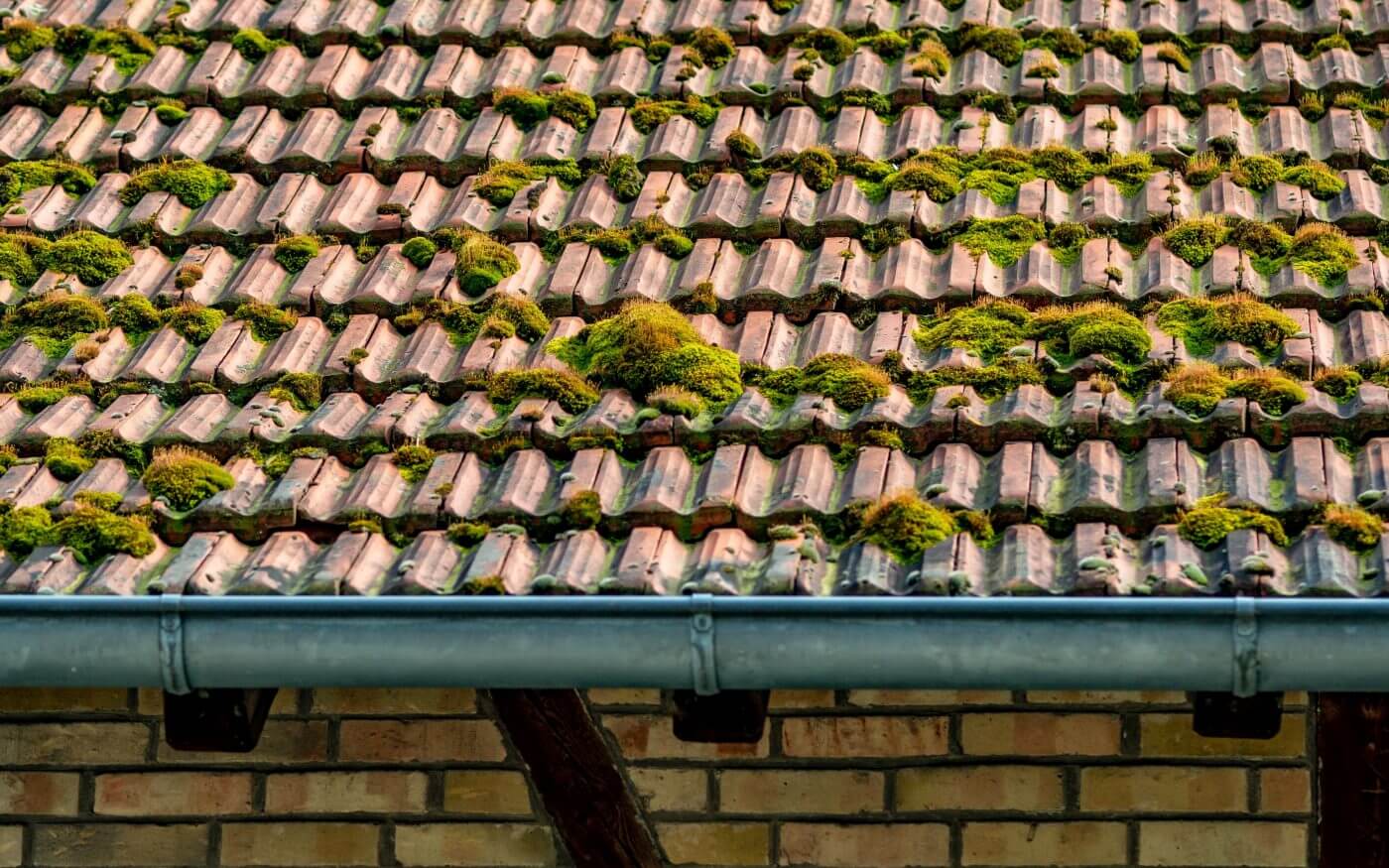
tile roof full of moss

How Algae and Mold Shorten Shingle and Tile Roof Lifespan

Living in Rockledge, FL, means enjoying sunny coastal breezes, but it also means dealing with extreme humidity and sudden afternoon rain showers. This constant warmth and moisture create a prime breeding ground for organic growth on residential rooftops. If you step outside and look up, you might notice unsightly dark streaks running down your shingles or green patches dusting your concrete tiles.
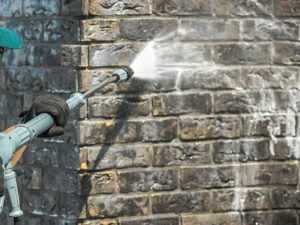
These discoloration marks are far more than a minor cosmetic issue. Left unchecked, biological growth and trapped moisture can gradually contribute to material degradation over time. Learning how algae and mold affect different roofing materials gives you the knowledge to protect your investment with smart, timely care.

Why Do Algae and Mold Grow on Roofs in Rockledge, FL?

Our local climate in Brevard County delivers high relative humidity alongside frequent precipitation, giving spores all the dampness they need to settle on building materials. Shaded sections of a roof that receive minimal sunlight stay wet longer after the rain stops.

Overhead trees also drop leaves, pine needles, and pollen. This organic debris piles up in roof valleys and around flashing, holding water like a sponge. Certain roofing products even contain limestone fillers, which supply nutrients that feed specific microscopic organisms.

It helps to understand that algae, mold, and mildew are distinct entities:

  • Algae: Photosynthetic organisms that thrive in sunlight on damp surfaces.
  • Mold and Mildew: Fungi that feed on trapped organic material in dark, wet, low-airflow environments.

Dark roof streaks are typically caused by blue-green algae (Gloeocapsa magma), whereas actual mold requires closer inspection and usually indicates lingering, trapped moisture beneath debris or damaged materials.

How Can Algae and Mold Affect Shingle Roofs?

Asphalt shingles are popular throughout East Central Florida, but their textured surfaces easily capture airborne spores. The most noticeable sign of growth is heavy dark staining. Beyond basic appearance, dense biological patches and trapped pine needles prevent rainwater from shedding efficiently.

Asphalt shingles rely on protective mineral granules to shield the underlying asphalt from harsh ultraviolet rays. While normal weather exposure naturally wears granules away over time, heavy moss growth or aggressive scrubbing can strip those granules prematurely. According to educational guidelines from the Asphalt Roofing Manufacturers Association (ARMA), dark streaks alone do not prove that shingles are structurally failing. However, stubborn staining often signals that water is draining slowly or debris is lingering in critical spots.

Close up of a roof covered in black mold and moss

What Problems Can Algae and Mold Cause on Tile Roofs?

Concrete and clay tile roofs are built to endure heavy coastal winds, but they require routine maintenance to stay clean. Algae and lichens leave dark, patchy discolorations across tile surfaces, while moss and mold thrive in the gaps between overlapping tiles.

When dead leaves and soil accumulate in tile interlocks or roof valleys, they trap moisture against the underlayment underneath. While clay and concrete tiles themselves last for decades, the underlayment below them usually has a shorter lifespan. Trapped water accelerates underlayment wear.

Furthermore, cracked or displaced tiles allow damp debris to collect directly against structural decking. Homeowners who try to wash tiles with high pressure risk cracking fragile surfaces, stripping protective coatings, or blasting water beneath the tile layer.

Can Algae and Mold Actually Shorten a Roof's Lifespan?

The short answer is that biological growth alone does not automatically destroy a roof overnight. Rather, growth serves as a visible warning light that water, shade, and organic matter are hanging around longer than they should.

In coastal environments like Rockledge, asphalt shingles typically last 15 to 25 years, while tile roofs can last 30 to 50 years when properly maintained. A roof’s actual service life depends on several interconnected factors:

  • Installation quality and proper ventilation.
  • Weather exposure from sun, tropical winds, and rain.
  • Routine inspections to catch cracked tiles or loose flashing early.
  • Moisture management to clear valley blockages before leaks develop.

By catching trapped debris, damaged shingles, and drainage issues early, you prevent minor surface problems from turning into costly structural repairs.

How Can Homeowners Prevent Roof Growth Without Causing Damage?

Preventing heavy growth on your roof requires a balanced approach focused on proper drainage and gentle care. Taking simple steps around your yard makes a significant difference:

  • Trim tree branches back at least six feet from your roofline to increase sunlight exposure and improve airflow.
  • Clear gutters, downspouts, and valley channels every season so rainwater flows off freely.
  • Inspect your roof safely from the ground after major storms to check for shifted tiles or missing shingles.
  • Avoid using high-pressure power washers, which strip shingle granules and shatter roof tiles.
  • Apply gentle cleaning solutions recommended by material manufacturers rather than relying on abrasive tools.

Homeowners should avoid walking across wet, algae-covered roofs. Slick surfaces pose severe fall hazards, and foot traffic can easily break delicate tiles or tear aging shingles.

tile roof with algae and mold

When Should You Schedule Professional Roof Cleaning?

If you notice broad black streaks across your roof plane, clusters of green growth along tile edges, or piles of leaf litter stuck in your valleys, it is time to bring in an expert. A qualified professional evaluates the age of your roof, checks the overall condition of your shingles or tiles, and applies dedicated soft-wash cleaning techniques that lift organic stains without damaging fragile materials.

  • Roof Soft Washing: Eliminates black streaks (Gloeocapsa magma) and extends shingle lifespan by reflecting solar heat efficiently.

  • Driveway & Walkway Surface Cleaning: Removes slick oil stains, tire marks, and dark mildew from concrete before holiday foot traffic arrives.

  • Screen Enclosure & Patio Wash: Clears out trapped leaves, bug nests, and green algae from pool cages and lanai framing.

  • Gutter Clean-Out and Brightening: Removes internal debris to ensure smooth drainage during late-fall rains while restoring external gutter face brightness.

Looking for Proper Roof Maintenance in Rockledge, FL?

If your roof shows signs of staining or debris accumulation, do not wait for minor moisture issues to turn into costly roof damage. Regular inspections and proper roof cleaning in Rockledge, FL help protect your investment and maintain your home’s curb appeal year after year. Contact the local team at Beacon Cleaning today at (321) 507-4851 to schedule a thorough roof inspection and discuss safe, effective cleaning options for your home.

Read more

How Algae and Mold Shorten Shingle and Tile Roof Lifespan Read More »

Scroll to Top