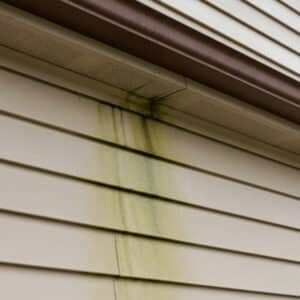
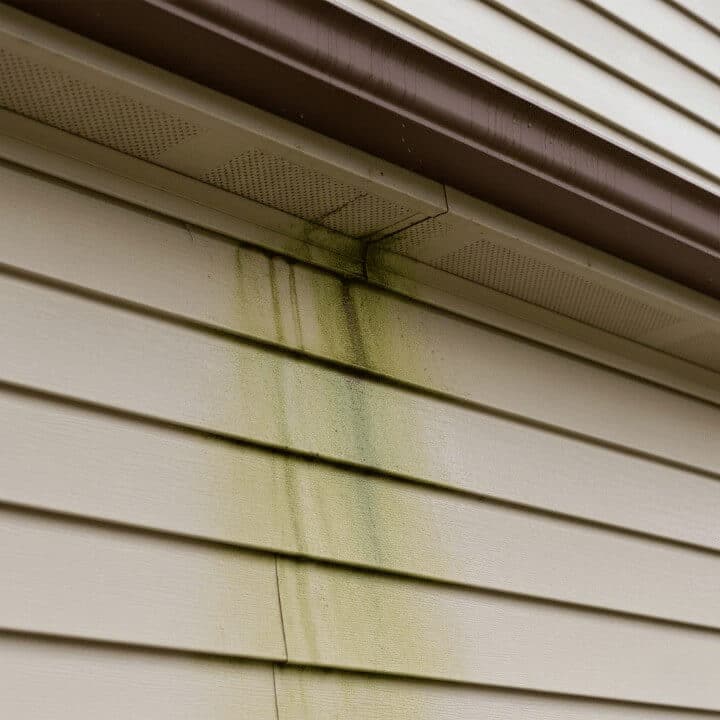
If you take a close look at houses around Florida, you will notice a common problem spreading across many of them. Dark green patches and black streaks frequently take over beautiful exterior walls. This nasty buildup is made of algae, mold, and mildew. It loves our warm, muggy climate, but you do not have to let it ruin your home. Cleaning it off is completely manageable if you know the right steps.
Why Do Algae and Mold Grow So Fast on Your Siding?
Our local weather is basically a paradise for microscopic spores. Algae and mold need two main ingredients to thrive: moisture and warmth. Because our humidity levels stay incredibly high for most of the year, your house walls rarely stay perfectly dry.
According to data compiled by the U.S. Environmental Protection Agency, biological growth, such as mold, can quickly develop on surfaces when relative humidity consistently hovers above 80%. In places like Florida, the outdoor air consistently hits that threshold. When you mix that moisture with shade from nearby trees or a north-facing wall that rarely gets direct sunlight, you get the perfect recipe for a green explosion. The organisms feed on the microscopic dust and pollen that settle on your walls, spreading further every single week.
Can You Wash Away the Growth Using a Regular Garden Hose?
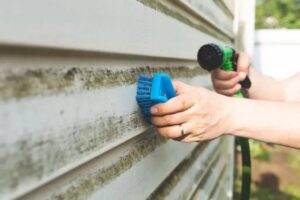
If you catch the discoloration very early, when it is just a light, faint layer, you might be able to wash it off with basic hand tools. You do not always need heavy machinery for a minor issue.
To tackle light stains yourself, you can mix a simple cleaning solution using everyday household items:
- A large bucket of warm water mixed with a mild dish soap or oxygen bleach.
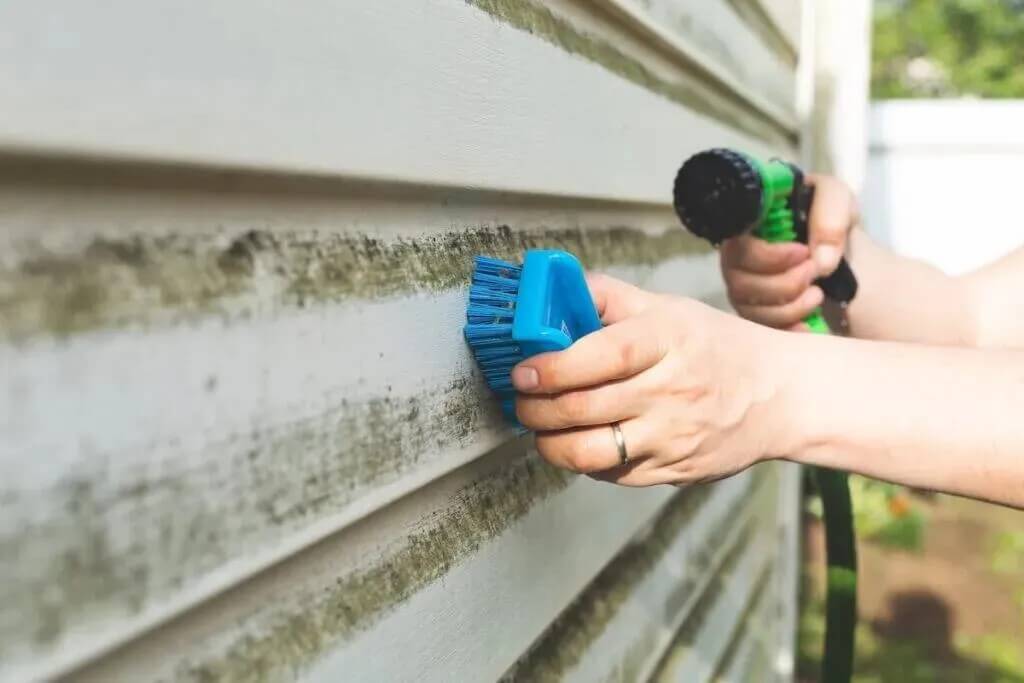
- A soft-bristle scrub brush attached to a long extension pole so your feet can stay safely on the ground.
- A standard garden hose equipped with a high-quality spray nozzle.
Start by wetting down your siding with plain water from the bottom up to prevent ugly streak marks. Dip your soft brush into the soapy mix and gently scrub the affected areas. Let the soap sit for about 10 minutes to loosen the algae’s grip, but do not let it dry completely on the wall. Finally, rinse the entire section thoroughly with clean water, working your way from the top down to wash away all the grime.
Why Is High-Pressure Power Washing Risky for Exterior Walls?
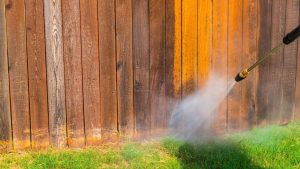
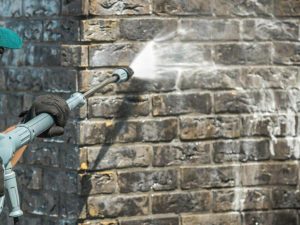
When homeowners see thick, stubborn black mold, their first instinct is often to rent a commercial pressure washer and blast it on the highest setting. While this seems like a fast fix, it can actually cause serious, hidden damage to your property.
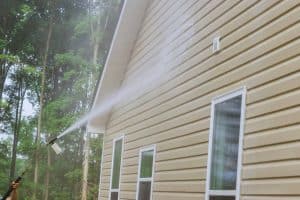
The intense force of high-pressure water can easily crack aged vinyl panels, chip away delicate exterior stucco, or strip the paint right off wood siding. Even worse, blasting water at a straight or upward angle forces moisture deep behind the siding panels. According to building science resources, trapping water inside wall cavities creates a high-moisture zone that can trigger hidden wood rot and dangerous indoor mold growth. Once water gets trapped back there, it has a very hard time drying out on its own.
What Is the Safest Alternative to Clean Tough Stains?
The safest and most effective professional method for eliminating heavy biological growth is soft washing. Instead of relying on raw, destructive water pressure, this technique uses eco-friendly, specialized siding cleaning solutions applied at low pressure, similar to the force of a strong garden hose.
The cleaning solution does all the heavy lifting by killing the algae and mold spores at their absolute roots. This ensures that the growth does not just come right back a few weeks later. Once the solution safely breaks down the biological bond, the entire wall is rinsed thoroughly with a gentle stream of water, keeping your exterior materials intact and safe from harm.
Ready to Bring Back Your Home's Beautiful, Clean Look?
Safely removing stubborn, thick exterior stains requires the right equipment, proper safety training, and the correct cleaning solutions. If you want to skip the weekend scrubbing and avoid the risk of damaging your walls, our professional team at Beacon Cleaning is here to step in. We use advanced soft-wash techniques to completely remove unsightly algae and mold, leaving your property looking brand new. Give Beacon Cleaning a call today at (321) 507-4851 to get your free estimate and book your hassle-free exterior cleaning.
Read more
How to Remove Algae and Mold on House Sidings
If you take a close look at houses around Florida, you will notice a common problem spreading across many of them. Dark green patches
How Does Florida’s Humidity Cause Algae Buildup on Home Siding?
Every Florida homeowner knows that keeping a house looking fresh is a constant battle against nature. Our state is famous for beautiful sunshine, but
Common Signs Your Pool Pavers Need New Sealing in Cocoa, FL
Your pool deck should be a place to relax, not a source of stress. But if your pavers are starting to look worn, stained,
Why Do Pool Decks in Cocoa, FL Need Regular Pressure Washing?
If you have a pool at home in Cocoa, FL, you already know how much fun it is during a hot summer day. But
How Does Regular Cleaning Extend the Life of Your House Exterior in Cocoa?
Living in Cocoa, FL means your home faces heat, humidity, rain, and salty coastal air almost all year. Those conditions may feel normal to
Residential vs Commercial Paver Sealing Services in Titusville
In Titusville, pavers deal with more than just normal wear. They face strong sun, heavy rain, humidity, and salty coastal air. That matters because
How Can You Prevent Algae and Mildew on Driveways and Sidewalks in Melbourne, FL?
In Melbourne, Florida, algae and mildew can appear quickly on driveways and sidewalks. Warm weather, high humidity, summer rain, and tree shade all create
How Does Regular Pressure Washing Protect Your Home From Florida’s Climate?
Florida is a great place to live, but the weather is hard on homes. Heat, humidity, rain, pollen, and salty air can all build
How Often Should You Schedule Exterior House Cleaning in Titusville, Florida?
Living in North Brevard means sunshine, sea breeze, and afternoon storms. It also means your siding, roof, and driveway get dirty faster than in
How to Remove Algae and Mold on House Sidings Read More »