
How to Clean Your Home’s Exterior After Florida Storms
Living in Brevard County brings sunny beaches, warm ocean breezes, and the occasional severe coastal weather. When tropical storms or summer severe weather roll
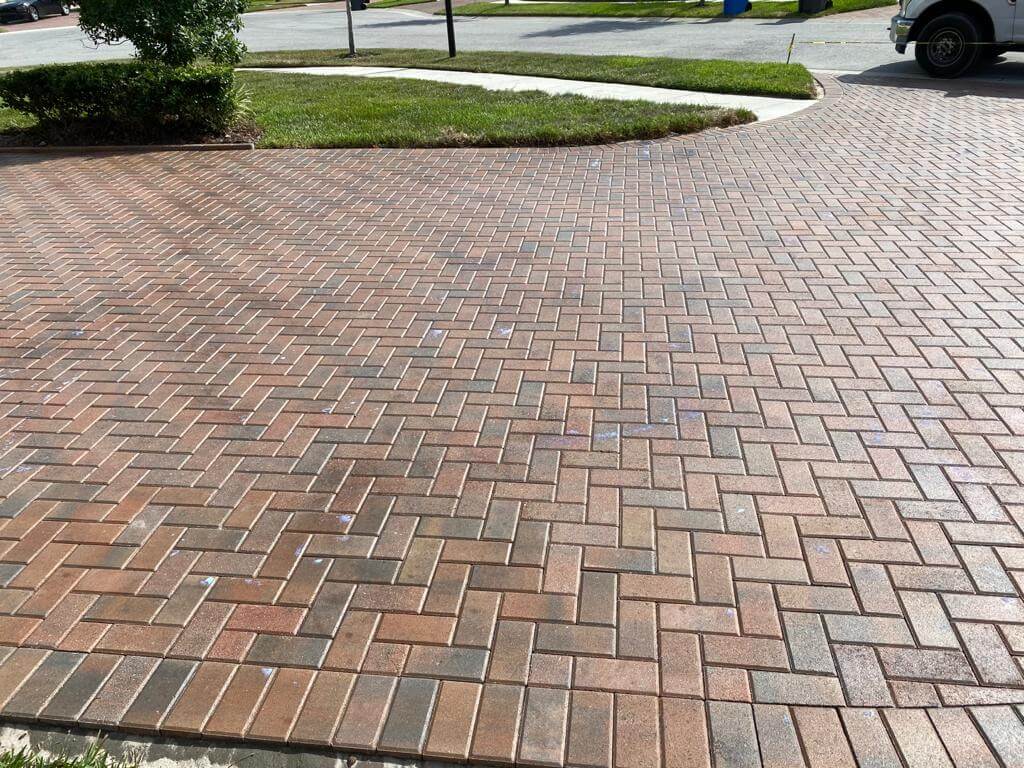
Sealing pavers is one of the best ways to keep your driveway, patio, or walkway looking beautiful and lasting longer. In West Melbourne, Florida, with its humid weather and strong sun, sealing helps protect against fading, staining, and erosion. However, many homeowners make costly mistakes during the sealing process. If you want your pavers to stay bright, strong, and clean, it’s important to avoid these common errors.
One of the biggest mistakes is sealing too soon after installation or cleaning. If the pavers, bedding sand, or jointing sand are still damp, the sealer traps the moisture. This can create a cloudy or foggy look, ruining the crisp finish homeowners expect.
A simple trick to avoid this is the “greenhouse method.” Place a piece of plastic sheeting over the pavers, seal the edges with masking tape, and leave it for a few hours. If condensation builds up under the plastic, the pavers aren’t dry yet. Waiting an extra day or two can save you from long-term disappointment.
Another common error is not cleaning the pavers thoroughly before sealing. Dirt, mold, oil stains, or even leaves can get sealed in permanently. Once trapped, those blemishes not only look bad but also shorten the lifespan of your sealer.
Efflorescence, a white chalky deposit that forms on many paver surfaces, is another culprit. If you seal over it, the hazy film will show through and ruin the appearance. Power washing, scrubbing, and letting the surface dry properly is crucial for a clean, professional-looking seal.
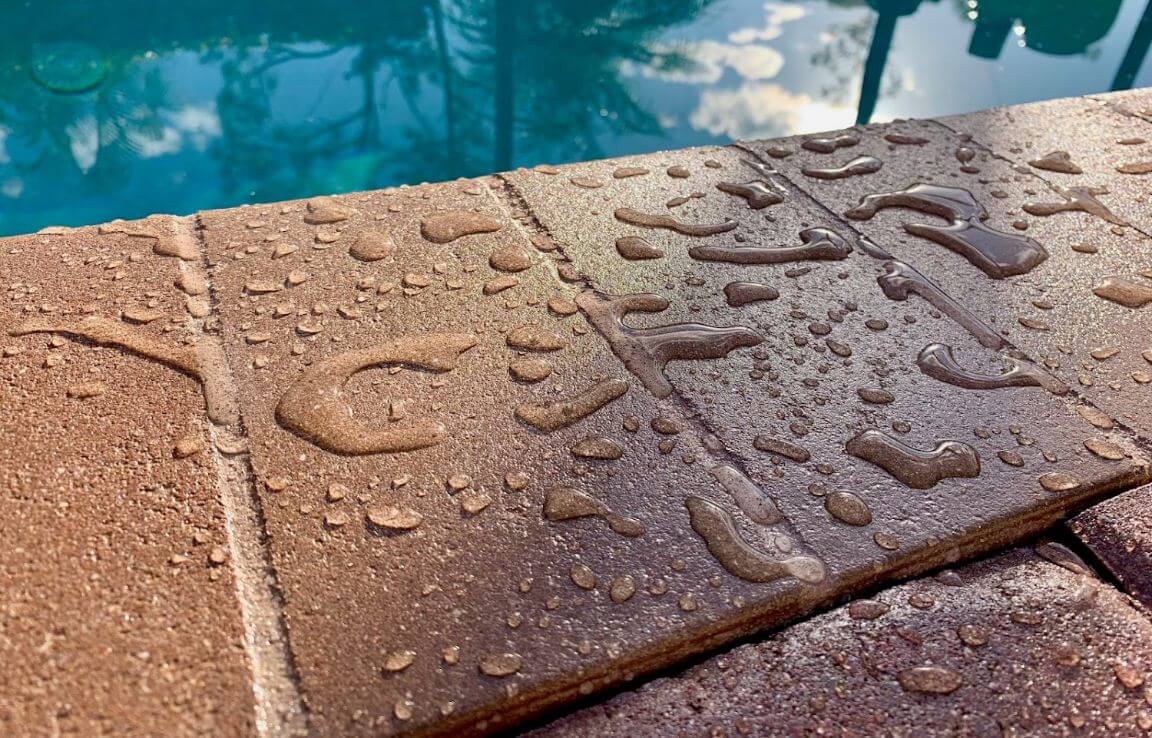
When it comes to applying sealer, balance is key. Many homeowners think “the more, the better,” but over-applying sealer can actually cause problems. Thick layers may bubble, peel, or leave a streaky finish. On the other hand, applying too thin of a coat means the sealer won’t protect properly, and color enhancement may fade quickly.
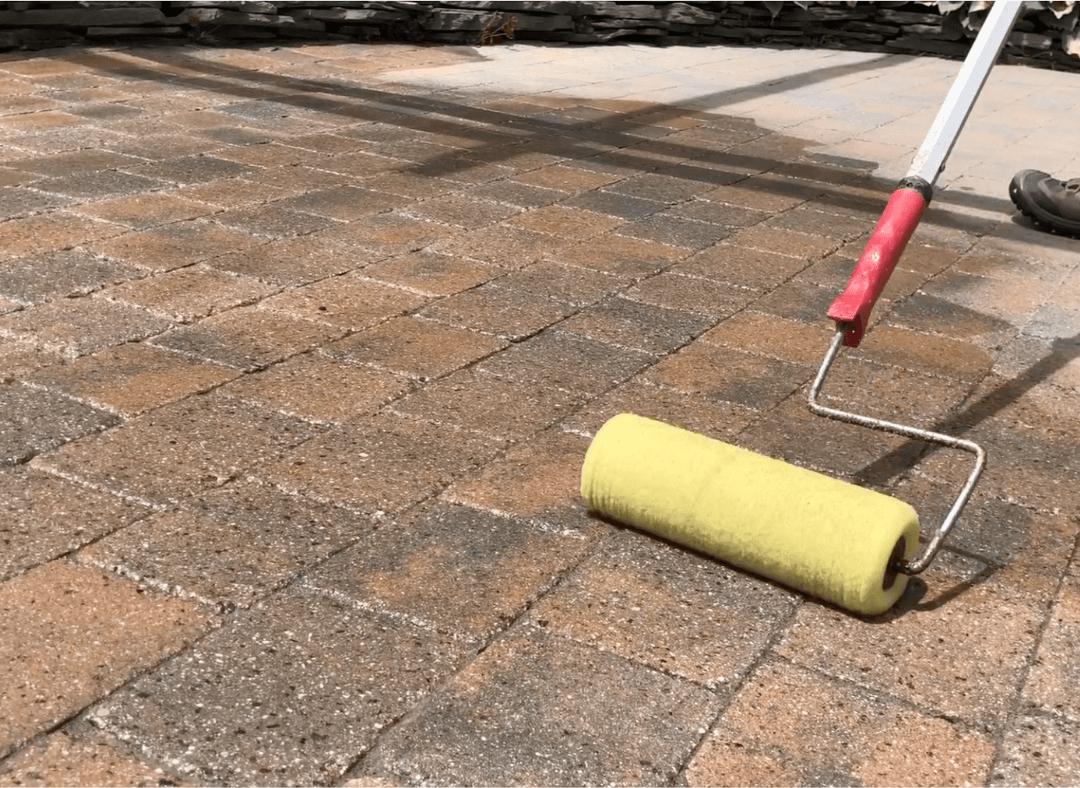
The best method is applying two thin, even coats instead of one heavy one. This ensures proper absorption, better protection, and a smooth, consistent finish.
Florida’s weather can be tricky, and timing is everything when sealing pavers. Applying sealer in the heat of the day, when the surface temperature is above 90°F (32°C), can cause the product to dry too quickly, leading to streaks and unevenness.
Sealing in rainy or humid conditions is equally problematic. Moisture prevents the sealer from curing properly, which can make it sticky or ineffective. The best time to seal is during mild, dry weather typically early morning or late afternoon on a clear day.
Not all paver sealers are created equal. Homeowners sometimes buy whatever product is cheapest or available at the store without checking if it’s right for their specific paver type. The wrong sealer can cause issues like a hazy glaze, poor color enhancement, or even damage over time.
For example, some sealers are designed for natural stone, while others work better on concrete pavers. In Florida’s climate, a breathable sealer that allows moisture to escape is often the best option. Always read the label or consult a professional to ensure you’re using the right formula.
Another overlooked step is compacting the jointing sand between pavers before sealing. The sand locks the pavers in place and prevents weeds from growing in the cracks. If it isn’t compacted properly, it can wash away or sink, leading to loose, unstable pavers.
Sealing over poorly compacted sand only traps the problem in place. A plate compactor should be used before sealing, followed by a fresh layer of sand if needed. This ensures the joints are solid and long-lasting.
Every mistake listed above may seem small, but together they can lead to costly repairs or even the need to reseal your pavers much sooner than expected. Cloudy finishes, peeling sealer, mold stains, or shifting pavers can take away from your home’s curb appeal. Worse, poor sealing jobs may shorten the lifespan of your investment.
In West Melbourne’s humid climate, being patient, choosing the right products, and applying them correctly makes all the difference.
Sealing pavers is more than just rolling on a product—it’s a careful process that protects your home’s beauty and value. By avoiding these top mistakes, you can keep your driveway, patio, or walkway looking fresh and vibrant for years.
If you’re unsure about the steps, it may be worth calling in a professional who knows how to handle Florida’s unique climate challenges. After all, your home deserves the best care possible.
Don’t let simple mistakes ruin the look of your outdoor space. Whether you’re sealing for the first time or refreshing an older surface, expert help ensures your pavers get the protection they need.
Contact Beacon Cleaning today for a free consultation on professional paver sealing in West Melbourne, Florida. Let us help you avoid the pitfalls and keep your home looking its best all year long!
Living in Brevard County brings sunny beaches, warm ocean breezes, and the occasional severe coastal weather. When tropical storms or summer severe weather roll
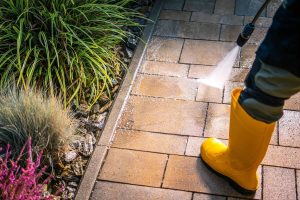
Regular pressure washing keeps Florida sidewalks safe, clean, and free from the heavy buildup caused by the state’s unique climate. Living along the Space

Is DIY House Washing Really Worth the Risk in Cocoa, FL? Renting a pressure washer for a weekend project might seem like a quick
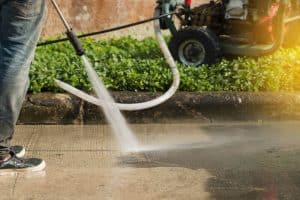
Is your storefront or office building putting its best foot forward? Owning or managing a business in Cocoa, Florida, comes with great local perks,
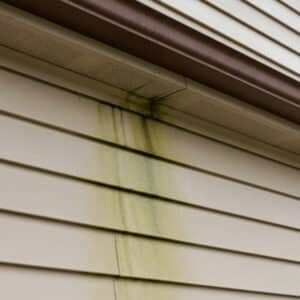
If you take a close look at houses around Florida, you will notice a common problem spreading across many of them. Dark green patches
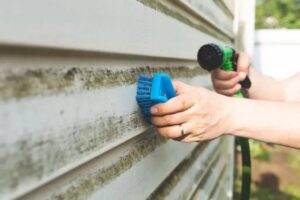
Every Florida homeowner knows that keeping a house looking fresh is a constant battle against nature. Our state is famous for beautiful sunshine, but

Your pool deck should be a place to relax, not a source of stress. But if your pavers are starting to look worn, stained,

If you have a pool at home in Cocoa, FL, you already know how much fun it is during a hot summer day. But

Living in Cocoa, FL means your home faces heat, humidity, rain, and salty coastal air almost all year. Those conditions may feel normal to