
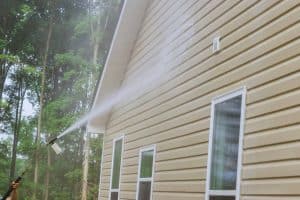
How to Clean Your Home’s Exterior After Florida Storms
Living in Brevard County brings sunny beaches, warm ocean breezes, and the occasional severe coastal weather. When tropical storms or summer severe weather roll

Pressure washing is a great way to keep your home looking clean and well-maintained. From driveways and decks to siding and fences, the powerful spray can remove dirt, mold, and algae in minutes. But when it comes to pressure washing, not all jobs are as simple as they seem. Many homeowners in Titusville make mistakes when trying to do it themselves, which can lead to costly damage or even injuries.
If you’re considering DIY pressure washing, it’s important to know the most common mistakes so you can avoid them. Let’s break them down.
One of the biggest errors people make is turning up the pressure too high. While it may seem like more pressure equals better cleaning, this can actually damage surfaces. High pressure can strip paint, gouge wood, and even crack siding. On concrete, it can leave visible marks that are hard to fix.
Pressure washers come with different nozzles designed for specific tasks. Using a high-degree nozzle when it’s not needed can create a stream that is far too strong for delicate materials like wood or vinyl siding. This mistake often leads to costly repairs.
It might feel natural to move the nozzle closer to tough stains, but spraying too close can push dirt deeper into porous surfaces like concrete or wood. It can also cause permanent etching or damage.
The direction of the spray matters. Spraying directly at a surface often just splashes dirt back at you instead of lifting it away. By angling the spray slightly, you allow the water to carry dirt and debris off the surface more effectively.
Water alone isn’t always enough. Many surfaces require safe cleaning solutions to properly remove mold, mildew, or algae. DIYers often use harsh chemicals or skip this step entirely, which can discolor siding or kill surrounding plants.
A pressure washer is more powerful than many people realize. Without goggles, gloves, and sturdy footwear, you risk serious injuries. Flying debris, chemicals, or even the water spray itself can cause cuts and eye injuries.
Pressure washers can spray water at more than 2,000 PSI (pounds per square inch). At close range, this is strong enough to cut skin. Some DIYers accidentally point the spray at themselves or others, leading to painful accidents.

Before you start washing, the surface needs to be prepared. This includes moving furniture, clearing away toys or garden tools, and sometimes pre-soaking the area. Without these steps, the wash won’t be as effective, and you may damage items left in the spray zone.
Plants, outdoor furniture, and electrical fixtures can all be harmed by high-pressure water and cleaning solutions. Many DIYers forget to cover or move these items, resulting in damaged landscaping or broken equipment.
Like any tool, a pressure washer needs regular care. DIY users often forget to clean filters or flush out the system after use. Over time, this neglect can lead to malfunctions and shorten the machine’s lifespan.
When cleaning large areas, order matters. If you wash the siding before the roof or start at the bottom before the top, dirty water may run down and undo your hard work. A systematic approach ensures the job is done right the first time.
Pressure washing requires patience. Many DIYers try to speed through, leaving behind streaks, uneven cleaning, or even damaged surfaces. Taking your time and working in steady, overlapping passes produces much better results.

These mistakes are common because pressure washers are powerful tools that require training and experience to use safely. Professional cleaners in Titusville know which nozzle, pressure level, and cleaning solution to use for each surface. They also take the time to prepare your home and protect your surroundings, ensuring a safe and thorough cleaning.
By hiring professionals, you not only save yourself from possible injuries but also avoid costly mistakes that could damage your home. In the end, professional services often save you money, time, and stress.
Ready to give your Titusville home a fresh, clean look without the risks of DIY? Contact the experts at Beacon Cleaning today. Let the professionals handle the hard work while you enjoy the peace of mind and beautiful results!
In Titusville’s humid climate, results often last 6–12 months. Homes near water or shaded by trees may need more frequent cleaning.
It depends. Too much pressure can strip paint. Professionals know how to adjust the settings and use soft washing methods for painted surfaces.
No. Many household cleaners are too harsh and can damage the machine or your home’s surfaces. Always use solutions designed for pressure washing.
High-traffic areas usually benefit from cleaning every 6–12 months, especially if mold or algae begins to appear.
Spring and fall are the most popular times because temperatures are mild and humidity is lower, making it easier for surfaces to dry.
Living in Brevard County brings sunny beaches, warm ocean breezes, and the occasional severe coastal weather. When tropical storms or summer severe weather roll
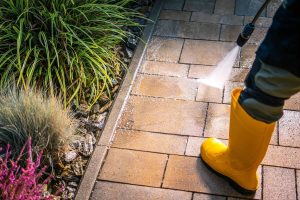
Regular pressure washing keeps Florida sidewalks safe, clean, and free from the heavy buildup caused by the state’s unique climate. Living along the Space

Is DIY House Washing Really Worth the Risk in Cocoa, FL? Renting a pressure washer for a weekend project might seem like a quick
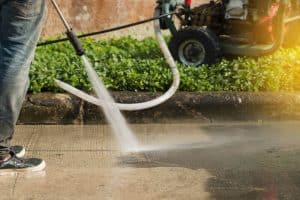
Is your storefront or office building putting its best foot forward? Owning or managing a business in Cocoa, Florida, comes with great local perks,
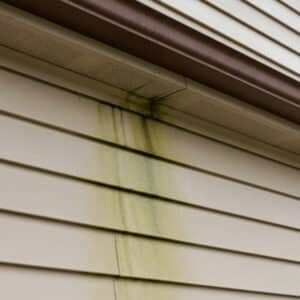
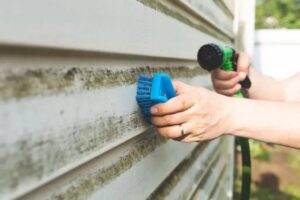
If you take a close look at houses around Florida, you will notice a common problem spreading across many of them. Dark green patches
Every Florida homeowner knows that keeping a house looking fresh is a constant battle against nature. Our state is famous for beautiful sunshine, but

Your pool deck should be a place to relax, not a source of stress. But if your pavers are starting to look worn, stained,

If you have a pool at home in Cocoa, FL, you already know how much fun it is during a hot summer day. But

Living in Cocoa, FL means your home faces heat, humidity, rain, and salty coastal air almost all year. Those conditions may feel normal to