
How to Clean Your Home’s Exterior After Florida Storms
Living in Brevard County brings sunny beaches, warm ocean breezes, and the occasional severe coastal weather. When tropical storms or summer severe weather roll

Florida is a great place to live, but the weather is hard on homes. Heat, humidity, rain, pollen, and salty air can all build up on your siding, roof, driveway, and patio. Over time, that grime does more than make your house look dirty. It can trap moisture, feed mold and algae, and wear down paint and surfaces.
Florida averages about 53.7 inches of rain per year, with most falling during the warmer months. In 2024, the statewide average reached 56.82 inches. That steady moisture gives mold, mildew, and algae the damp conditions they need to grow fast.
In many parts of Florida, the outside of your home stays damp for long periods. On the Space Coast, in Central Florida, and along both coasts, warm air and frequent rain keep surfaces wet and shaded areas dirty. The U.S. Environmental Protection Agency says the key to mold control is moisture control. The CDC also recommends keeping indoor humidity at 50% or lower, because moisture helps mold grow.
That same rule matters outside, too. When dirt, pollen, algae, and mildew sit on a home’s exterior, they hold moisture against the surface. This can lead to stains, fading, and early wear. Regular pressure washing helps remove that layer before it causes bigger problems.
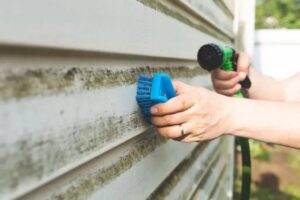
Florida homes often deal with green or black buildup on siding, lanais, pool decks, fences, and driveways. Mold and algae are not just ugly. They can make surfaces slippery and harder to maintain. If left alone, organic growth can also break down paint and shorten the life of wood, shingles, and other exterior materials.
The CDC says mold should be cleaned up promptly, and wet areas should be dried quickly. After water intrusion, the CDC advises cleaning and drying wet items within 48 to 72 hours to help stop mold growth.
That matters in Florida, where summer storms can soak a home one day and leave behind heat and humidity the next. Pressure washing is a simple way to remove the buildup that keeps moisture from drying out on surfaces.

If you live near the ocean in places like Melbourne, Cocoa Beach, Vero Beach, Palm Bay, Tampa Bay, Naples, or Jacksonville Beach, salt spray adds another layer of risk. FEMA notes that in coastal areas, buildings are exposed to higher moisture and humidity levels and salt spray, which can speed up corrosion of metal connectors and fasteners. FEMA also warns that salt spray can damage exterior materials in coastal construction.
Even if your home is not right on the beach, salty air can still travel inland. Regular exterior washing helps rinse off salt residue before it has a chance to sit too long on painted surfaces, metal fixtures, garage doors, and railings.
Yes. A clean exterior helps your home look cared for and supports long-term upkeep. Removing grime before it causes stains or decay can reduce the need for early repainting, repairs, or replacement. Pressure washing also prepares surfaces before painting or sealing, which helps those treatments last longer.
Florida also faces the greatest storm risk of any state. NOAA records show that Florida has had 110 direct hurricane hits on the mainland from 1851 to 2004, including 35 major hurricane hits. That storm exposure, mixed with heat, rain, and salt air, is one more reason regular maintenance matters.

Regular pressure washing is one of the easiest ways to protect your home from Florida’s harsh climate. It helps remove mold, mildew, algae, pollen, dirt, and salt before they cause bigger damage. If your siding, roofline, driveway, or patio is looking stained or slippery, now is a smart time to act.
Beacon Cleaning helps Florida homeowners keep their properties cleaner, safer, and better protected year-round. Call (321) 507-4851 today to schedule service and give your home the care it needs.
Most Florida homes benefit from pressure washing once or twice per year. The humid climate and frequent rain allow mold, algae, and pollen to build up quickly, especially on shaded surfaces.
Pressure washing is safe when done correctly. Different materials require different pressure levels. For example, vinyl siding and concrete can handle higher pressure, while roofs and painted wood often require soft washing.
Professional pressure washing companies use cleaning methods designed to minimize environmental impact. Many cleaning solutions used today are biodegradable and safe when applied properly.
If too much pressure is used, it can remove or chip paint. Professional technicians adjust pressure levels and techniques to safely clean painted surfaces without causing damage.
Yes. Cleaning removes algae, oil stains, and dirt that can slowly weaken concrete and make it slippery.
Living in Brevard County brings sunny beaches, warm ocean breezes, and the occasional severe coastal weather. When tropical storms or summer severe weather roll
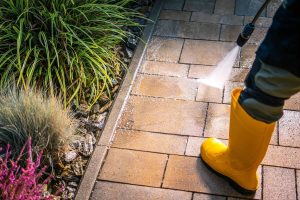
Regular pressure washing keeps Florida sidewalks safe, clean, and free from the heavy buildup caused by the state’s unique climate. Living along the Space

Is DIY House Washing Really Worth the Risk in Cocoa, FL? Renting a pressure washer for a weekend project might seem like a quick
Is your storefront or office building putting its best foot forward? Owning or managing a business in Cocoa, Florida, comes with great local perks,
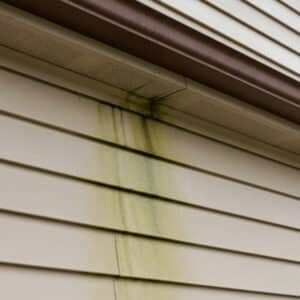
If you take a close look at houses around Florida, you will notice a common problem spreading across many of them. Dark green patches
Every Florida homeowner knows that keeping a house looking fresh is a constant battle against nature. Our state is famous for beautiful sunshine, but

Your pool deck should be a place to relax, not a source of stress. But if your pavers are starting to look worn, stained,

If you have a pool at home in Cocoa, FL, you already know how much fun it is during a hot summer day. But

Living in Cocoa, FL means your home faces heat, humidity, rain, and salty coastal air almost all year. Those conditions may feel normal to