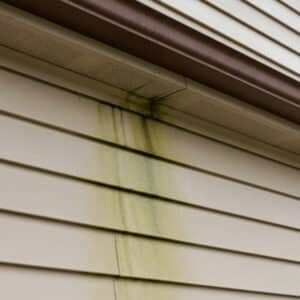
How Can You Prevent Algae and Mildew on Driveways and Sidewalks

How Can You Prevent Algae and Mildew on Driveways and Sidewalks in Melbourne, FL?

In Melbourne, Florida, algae and mildew can appear quickly on driveways and sidewalks. Warm weather, high humidity, summer rain, and tree shade all create the perfect conditions for green and black buildup to spread. What starts as a small stain can soon turn into a slippery surface.

Melbourne’s climate makes this a common problem. According to the Florida Climate Center, Melbourne averages 55.28 inches of rain per year. The wettest months are June through September, and the National Weather Service says that East-Central Florida receives about 64 percent of its annual rainfall during the wet season. Melbourne also sees measurable rain on about 100 to 105 days each year.

That much moisture gives algae and mildew plenty of chances to grow. Regular pressure cleaning and simple prevention steps can help protect your concrete and keep walkways safer.

Why Do Algae and Mildew Grow So Fast in Melbourne?

Algae and mildew thrive in damp conditions. In Melbourne, that often means shaded driveways, sidewalks near grass, and spots where leaves collect after rain.

The U.S. Environmental Protection Agency says the key to mold control is moisture control. The EPA also recommends cleaning hard surfaces with detergent and water, then drying them thoroughly.

That advice matters outdoors too. If water sits on concrete and organic debris stays in place, algae and mildew can keep coming back. Homes near the coast may also experience higher humidity and salt air, which can leave surfaces dirtier for longer.

pressure washing algaae on a brick pavement

What Makes Driveways and Sidewalks More Likely to Turn Green?

Some surfaces get dirtier faster than others. In Melbourne, these conditions raise the risk:

  • Overhanging trees that block sunlight
  • Low spots where water collects
  • Sprinklers that hit concrete too often
  • Leaves, mulch, and pollen left on the surface
  • North-facing areas that stay cooler and wetter

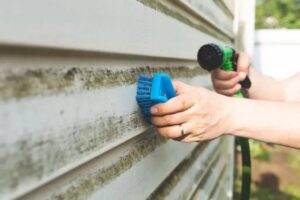
If your driveway stays shaded for most of the day, it may never fully dry after a storm. That gives algae a strong place to spread. The CDC says mold should be removed when you see or smell it, and it notes that hard surfaces can be cleaned with soap and water or a bleach solution of no more than 1 cup of household bleach in 1 gallon of water. Never mix bleach with ammonia or other cleaners.

How Can Homeowners Stop Algae and Mildew Before They Spread?

The best plan is simple and steady maintenance. Weekly sweeping or blowing off leaves helps remove the organic matter that feeds growth. Trimming shrubs and tree limbs can also let in more sun and airflow.

You should also check drainage. If rainwater pools near the sidewalk or the base of the driveway, the area may need grading help or gutter adjustments. Since Melbourne gets so much rain, even a small drainage problem can keep concrete wet for days.

After cleaning, some homeowners choose to apply a penetrating concrete sealer. Research from Iowa State’s National Concrete Pavement Technology Center found that sealer treatments reduced concrete water absorption capacity, which can help limit how much moisture the surface takes in.

When Should You Call Beacon Cleaning for Help?

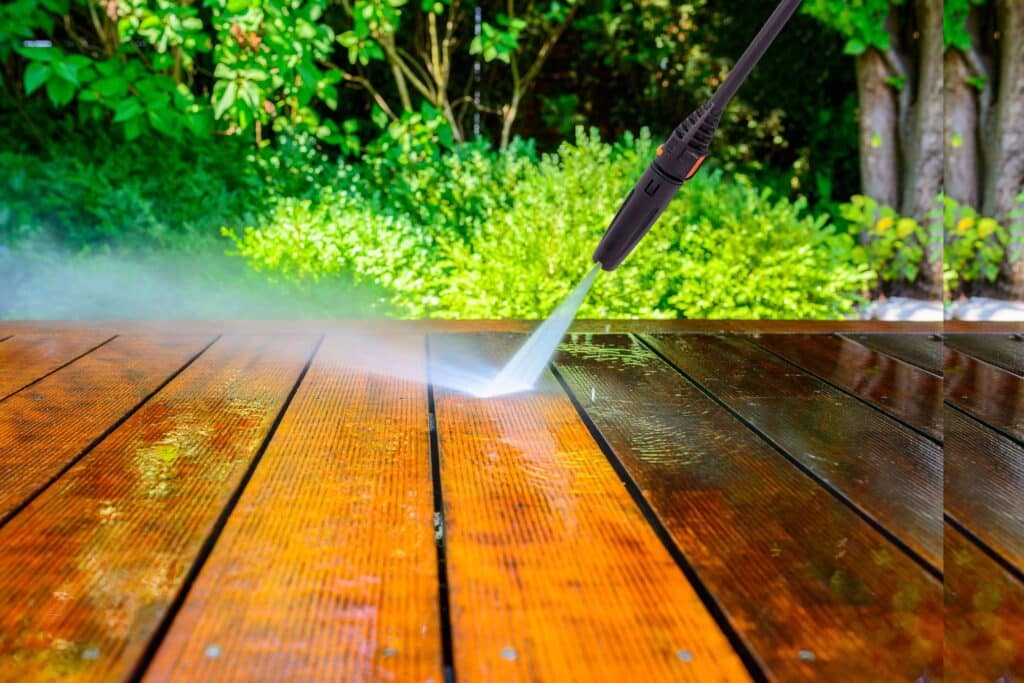
If your driveway or sidewalk already looks green, black, or slippery, it is a good time to schedule professional cleaning. Pressure washing or soft washing can remove built-up algae, mildew, dirt, and stains more thoroughly than a quick rinse with a hose.

Professional service is especially helpful before summer, during the rainy season, or when surfaces have not been cleaned in many months. Clean concrete looks better, feels safer to walk on, and is easier to maintain over time.

guy in over alls pressure cleaning a sidewalk

Are You Ready to Keep Your Melbourne Walkways Cleaner and Safer?

Preventing algae and mildew on driveways and sidewalks in Melbourne starts with moisture control, regular cleaning, and fast action when buildup appears. With the area’s heavy rain, long wet season, and high humidity, waiting too long can make stains worse and surfaces more slippery.

Beacon Cleaning helps homeowners in Melbourne and nearby areas keep exterior concrete surfaces clean and protected. Call (321) 507-4851 today to schedule service and keep your driveway and sidewalks looking their best.

Frequently Asked Questions

Algae can begin to form within a few weeks under warm, humid conditions, especially during the rainy season when surfaces remain damp for extended periods.

Most algae stains are not permanent. They can usually be removed with proper cleaning solutions or pressure washing if treated early.

Over time, algae and mildew can trap moisture against concrete. This moisture may weaken the surface and contribute to gradual deterioration.

Older or more porous concrete tends to absorb more moisture. This can make it easier for algae and mildew to grow compared to sealed surfaces.

Yes. Sprinklers that spray directly onto sidewalks or driveways can keep the surface wet, which encourages algae growth.

Read more

How Can You Prevent Algae and Mildew on Driveways and Sidewalks in Melbourne, FL? Read More »
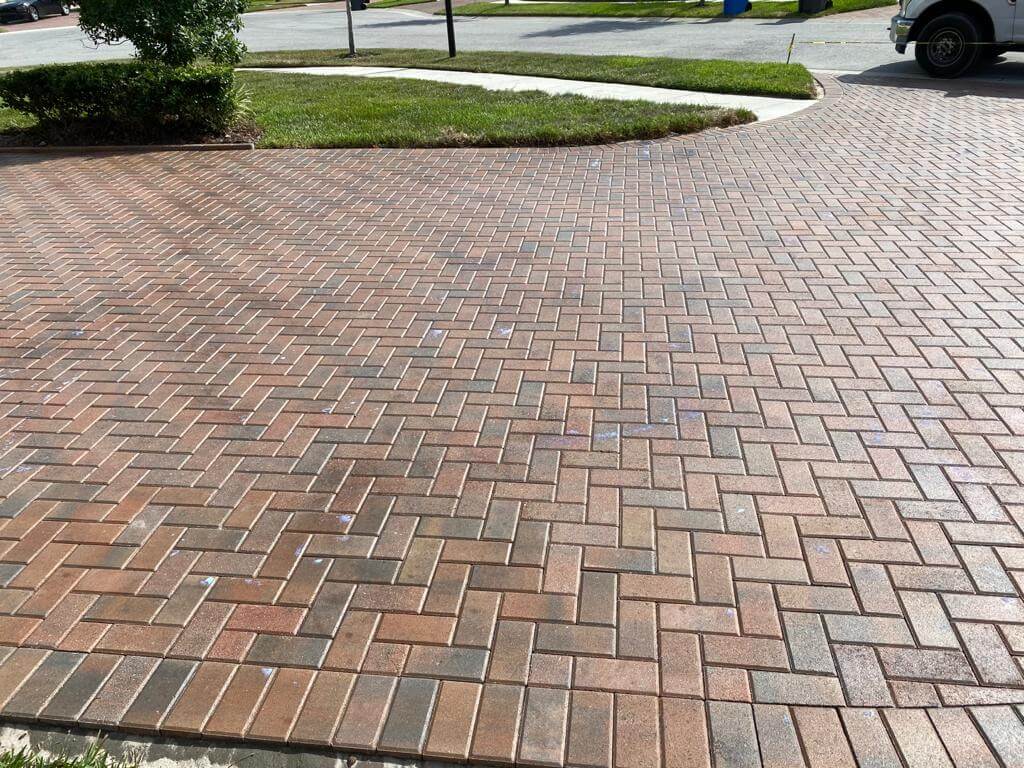
mistakes in sealing pavers

The Top Mistakes Homeowners Make When Sealing Pavers in West Melbourne, Florida

Sealing pavers is one of the best ways to keep your driveway, patio, or walkway looking beautiful and lasting longer. In West Melbourne, Florida, with its humid weather and strong sun, sealing helps protect against fading, staining, and erosion. However, many homeowners make costly mistakes during the sealing process. If you want your pavers to stay bright, strong, and clean, it’s important to avoid these common errors.

Moisture Issues: Sealing Before Pavers Are Dry

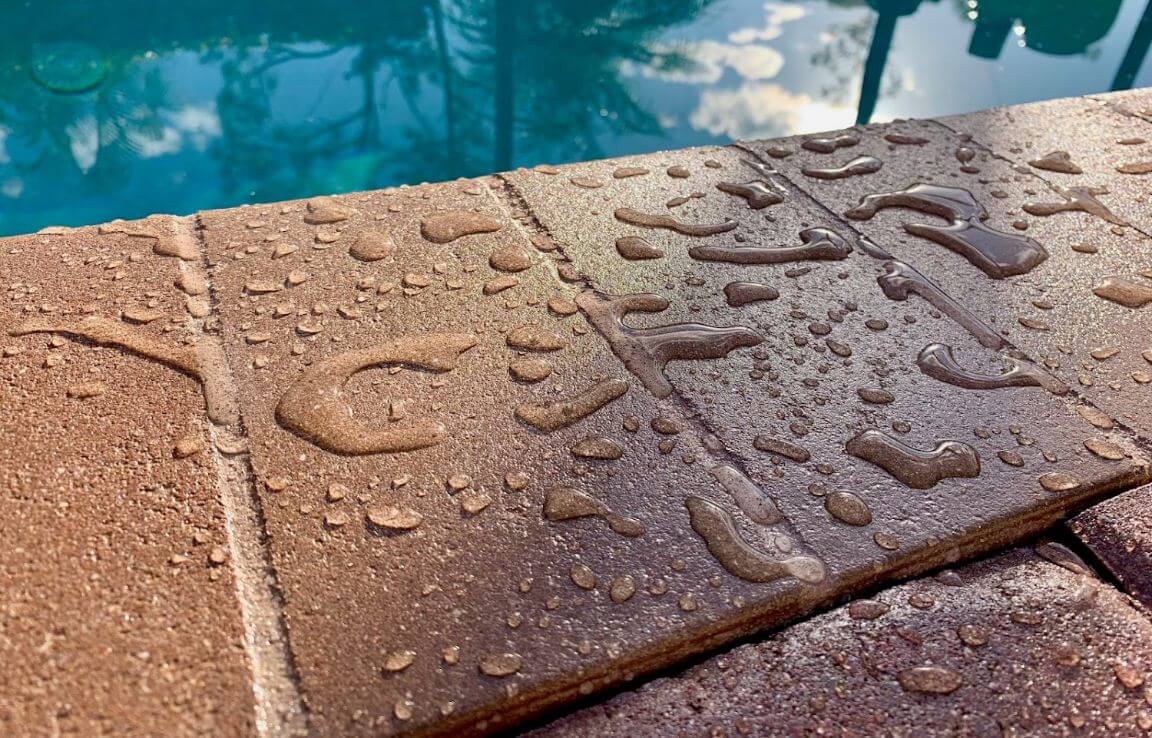
One of the biggest mistakes is sealing too soon after installation or cleaning. If the pavers, bedding sand, or jointing sand are still damp, the sealer traps the moisture. This can create a cloudy or foggy look, ruining the crisp finish homeowners expect.

A simple trick to avoid this is the “greenhouse method.” Place a piece of plastic sheeting over the pavers, seal the edges with masking tape, and leave it for a few hours. If condensation builds up under the plastic, the pavers aren’t dry yet. Waiting an extra day or two can save you from long-term disappointment.

Surface Preparation: Skipping the Cleaning Step

Another common error is not cleaning the pavers thoroughly before sealing. Dirt, mold, oil stains, or even leaves can get sealed in permanently. Once trapped, those blemishes not only look bad but also shorten the lifespan of your sealer.

Efflorescence, a white chalky deposit that forms on many paver surfaces, is another culprit. If you seal over it, the hazy film will show through and ruin the appearance. Power washing, scrubbing, and letting the surface dry properly is crucial for a clean, professional-looking seal.

brick paver cleaning and sealing

Application Errors: Too Much or Too Little Sealer

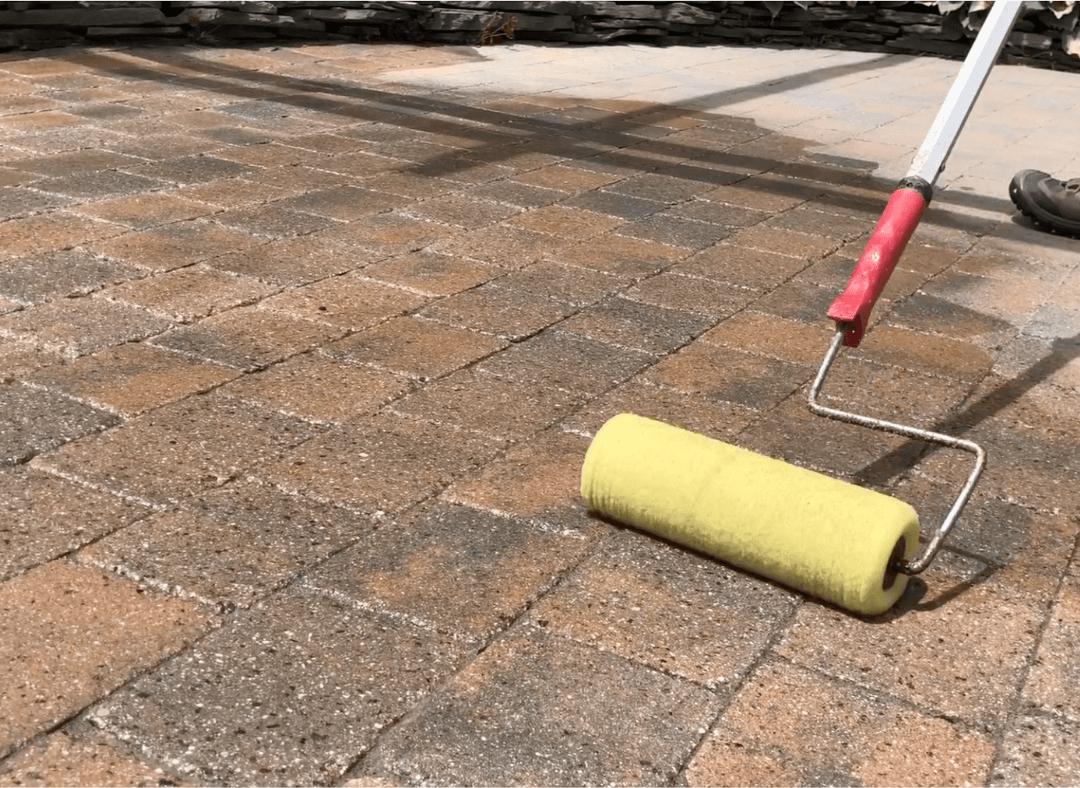
When it comes to applying sealer, balance is key. Many homeowners think “the more, the better,” but over-applying sealer can actually cause problems. Thick layers may bubble, peel, or leave a streaky finish. On the other hand, applying too thin of a coat means the sealer won’t protect properly, and color enhancement may fade quickly.

The best method is applying two thin, even coats instead of one heavy one. This ensures proper absorption, better protection, and a smooth, consistent finish.

Environmental Factors: Sealing in the Wrong Weather

Florida’s weather can be tricky, and timing is everything when sealing pavers. Applying sealer in the heat of the day, when the surface temperature is above 90°F (32°C), can cause the product to dry too quickly, leading to streaks and unevenness.

Sealing in rainy or humid conditions is equally problematic. Moisture prevents the sealer from curing properly, which can make it sticky or ineffective. The best time to seal is during mild, dry weather typically early morning or late afternoon on a clear day.

Sealer Choice: Using the Wrong Product

Not all paver sealers are created equal. Homeowners sometimes buy whatever product is cheapest or available at the store without checking if it’s right for their specific paver type. The wrong sealer can cause issues like a hazy glaze, poor color enhancement, or even damage over time.

For example, some sealers are designed for natural stone, while others work better on concrete pavers. In Florida’s climate, a breathable sealer that allows moisture to escape is often the best option. Always read the label or consult a professional to ensure you’re using the right formula.

Sand Compaction: Forgetting the Joints

Another overlooked step is compacting the jointing sand between pavers before sealing. The sand locks the pavers in place and prevents weeds from growing in the cracks. If it isn’t compacted properly, it can wash away or sink, leading to loose, unstable pavers.

Sealing over poorly compacted sand only traps the problem in place. A plate compactor should be used before sealing, followed by a fresh layer of sand if needed. This ensures the joints are solid and long-lasting.

paver sealing mistakes

Why These Mistakes Matter

Every mistake listed above may seem small, but together they can lead to costly repairs or even the need to reseal your pavers much sooner than expected. Cloudy finishes, peeling sealer, mold stains, or shifting pavers can take away from your home’s curb appeal. Worse, poor sealing jobs may shorten the lifespan of your investment.

In West Melbourne’s humid climate, being patient, choosing the right products, and applying them correctly makes all the difference.

Final Thoughts

Sealing pavers is more than just rolling on a product—it’s a careful process that protects your home’s beauty and value. By avoiding these top mistakes, you can keep your driveway, patio, or walkway looking fresh and vibrant for years.

If you’re unsure about the steps, it may be worth calling in a professional who knows how to handle Florida’s unique climate challenges. After all, your home deserves the best care possible.

Protect Your Pavers the Right Way

Don’t let simple mistakes ruin the look of your outdoor space. Whether you’re sealing for the first time or refreshing an older surface, expert help ensures your pavers get the protection they need.

Contact Beacon Cleaning today for a free consultation on professional paver sealing in West Melbourne, Florida. Let us help you avoid the pitfalls and keep your home looking its best all year long!

Read more

The Top Mistakes Homeowners Make When Sealing Pavers in West Melbourne, Florida Read More »

Scroll to Top