
Why October Is a Smart Time to Schedule House Washing
October falls right in the sweet spot of the fall cleaning season. Florida homeowners should generally plan to wash their homes at least once

Living near the Florida coast comes with incredible perks—beautiful views, warm breezes, and easy access to the beach. But coastal living also brings challenges for homeowners, especially when it comes to keeping the outside of your home clean. If you’ve ever noticed your siding turning green, your driveway looking darker, or your outdoor surfaces becoming slippery, you’re not alone.
Florida is known for high humidity, warm temperatures, and frequent rain—exactly the kind of weather that mold, mildew, and algae love. Homes near the coast face these conditions more intensely, which means organic growth builds up faster.
You might see:
These aren’t just ugly stains. Over time, they can break down or weaken surfaces, especially if they stay wet for long periods.
Moisture hangs in the air longer near the ocean. Combine that with warm temperatures, and you get the perfect environment for growth to multiply. Pressure washing helps remove these contaminants before they cause permanent damage.
If you live close to the ocean, salt from the sea travels through the air and lands on your home. This salty film settles on siding, windows, gutters, railings, and even outdoor furniture.
Salt may look harmless, but it causes big problems:
Regular pressure washing removes this salt buildup, which helps prevent corrosion and keeps your home looking fresh.
Because salt collects quickly, coastal homes often need washing every 6–12 months to stay protected.

The beach isn’t the only place where sand collects. Coastal winds carry tiny grains of sand and deposit them onto homes, driveways, roofs, and walkways.
Sand may be small, but it creates big issues:
When sand mixes with moisture, it creates an abrasive layer that can slowly damage your home’s exterior. Pressure washing removes this sand and helps protect your surfaces.
Coastal Florida homes often deal with slippery surfaces because of algae, mold, and constant wetness. This is especially true on:
Algae and moss create slick, slimy patches that can lead to slips and falls. This can be especially risky for older adults, kids, and anyone walking near a pool or wet driveway.
Pressure washing removes the buildup and restores traction, making outdoor areas safer for you and your family.
Yes! One of the biggest benefits of regular pressure washing is preventing small problems from growing into major issues.
Pressure washing:
By removing destructive buildup, you help your home last longer and maintain its value.

Homes farther from the ocean face less salt, less sand, and lower humidity. But coastal homes deal with all three every day. That’s why experts recommend pressure washing coastal homes every 6–12 months, depending on how close they are to the shoreline.
Skipping regular pressure washing can lead to:
Keeping up with maintenance is the best way to protect your biggest investment—your home.
Beacon Cleaning specializes in helping Florida homeowners protect their homes from coastal wear and tear. Our team knows exactly how to handle salt, sand, and biological growth safely and effectively. We use expert cleaning methods designed for Florida’s climate and coastal environments. Your home’s exterior will look cleaner, last longer, and stay safer all year long. If your home needs a fresh start, our friendly team is ready to help. Contact Beacon Cleaning today to schedule your next pressure washing service.
Yes, removing mold, mildew, and debris reduces the conditions pests like ants and spiders love.
Yes, roofs near the ocean collect more salt, moisture, and algae growth.
Regular cleaning removes salt and mildew that cause paint to break down faster.
Yes, stucco absorbs moisture, making it more vulnerable to algae and mildew growth.
Yes, pressure washing can help treat oxidation, especially on painted or metal surfaces.
October falls right in the sweet spot of the fall cleaning season. Florida homeowners should generally plan to wash their homes at least once
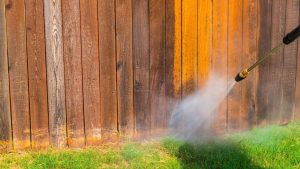
Under normal conditions, you should pressure wash your fence every 12 to 18 months. However, some residential properties only require a thorough cleaning every
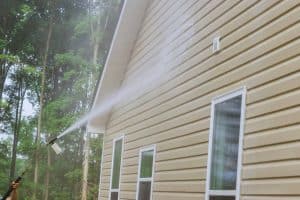
Living in Brevard County brings sunny beaches, warm ocean breezes, and the occasional severe coastal weather. When tropical storms or summer severe weather roll
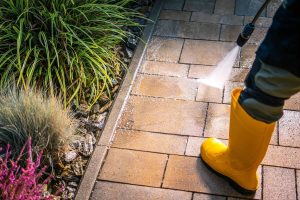
Regular pressure washing keeps Florida sidewalks safe, clean, and free from the heavy buildup caused by the state’s unique climate. Living along the Space

Is DIY House Washing Really Worth the Risk in Cocoa, FL? Renting a pressure washer for a weekend project might seem like a quick
Is your storefront or office building putting its best foot forward? Owning or managing a business in Cocoa, Florida, comes with great local perks,
If you take a close look at houses around Florida, you will notice a common problem spreading across many of them. Dark green patches
Every Florida homeowner knows that keeping a house looking fresh is a constant battle against nature. Our state is famous for beautiful sunshine, but

Your pool deck should be a place to relax, not a source of stress. But if your pavers are starting to look worn, stained,