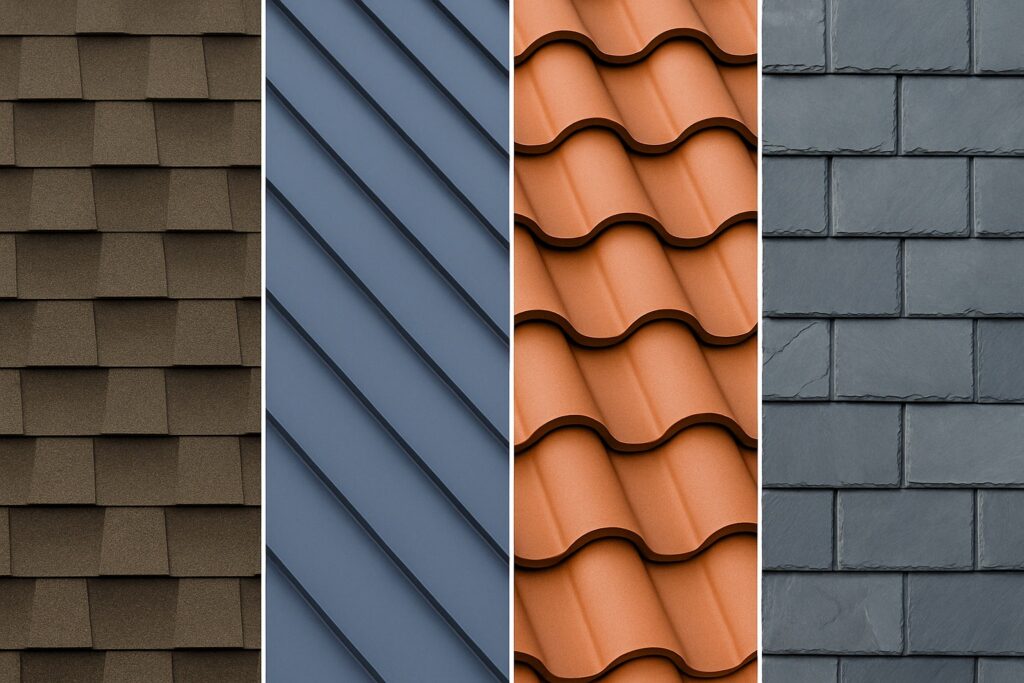
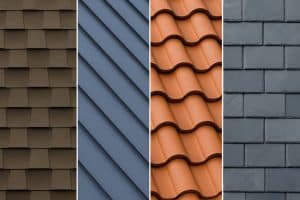
roof types metal, shingle, tile and and slate

Why Pressure Washing Is Dangerous for Shingles, Tile, and Metal Roofs

Living in Rockledge, FL, means enjoying warm sunshine, ocean breezes, and plenty of humidity. Unfortunately, that high humidity also creates the perfect breeding ground for algae, dark streaks, and grime on top of your home. When homeowners spot those ugly black stains from the driveway, it is tempting to rent a power washer or hire a quick blast service to blast the mess away.
While pressure washing might seem like a fast fix, applying high-pressure water to your roof is one of the quickest ways to cause severe damage. Blasting your roof with intense water pressure can strip away essential coatings, force moisture beneath protective layers, and loosen critical components. Asphalt shingles, concrete tiles, and metal panels each have unique vulnerabilities, but none of them are built to withstand high pressure. Understanding these risks will help you protect your investment with a much safer, specialized approach to roof cleaning.

Why Is High-Pressure Roof Washing Risky?

Using high-pressure water on a roof creates serious problems, even when the only goal is removing surface stains. Roofs are designed to shed falling rain naturally, not to withstand hundreds or thousands of pounds of concentrated water force directed from close range.

Excessive water pressure easily dislodges surface materials and lifts individual roofing sections. This intense force can shoot water upward under flashing, vents, and overlapping joints, trapping moisture where it can never dry naturally. Over time, that trapped water creates hidden decay, rots wooden decking, and ruins underlying underlayment. High pressure also makes existing hairline cracks worse, tears through aging sealants, and instantly turns a wet surface into an extreme slip hazard. Safe cleaning always depends on using gentle methods that respect the specific design of your roofing material.

How Can Pressure Washing Damage Asphalt Shingles?

Asphalt shingles rely on a thick layer of fine mineral granules embedded across their surface. These granules shield the underlying asphalt from harsh sun exposure and intense solar heat. According to the Asphalt Roofing Manufacturers Association, applying high-pressure water to asphalt shingles strips away these protective granules, dramatically shortening the roof’s natural lifespan.

When a pressure washer strips away this textured layer, it exposes the raw asphalt beneath to severe weather. The high-pressure blast can also lift shingle edges, snap aged tabs, and drive water directly into the roof deck. The dark streaks common on Florida roofs are usually caused by an airborne blue-green algae known as Gloeocapsa magma. Coastal humidity feeds organic growth across exposed surfaces. Blasting this algae with high pressure only removes the top layer while damaging the shingle, leaving the underlying roots intact to regrow quickly.

Different two parts of grey bitumen asphalt shingles roof one part overgrown with green moss other clean

Why Is Pressure Washing Dangerous for Tile Roofs?

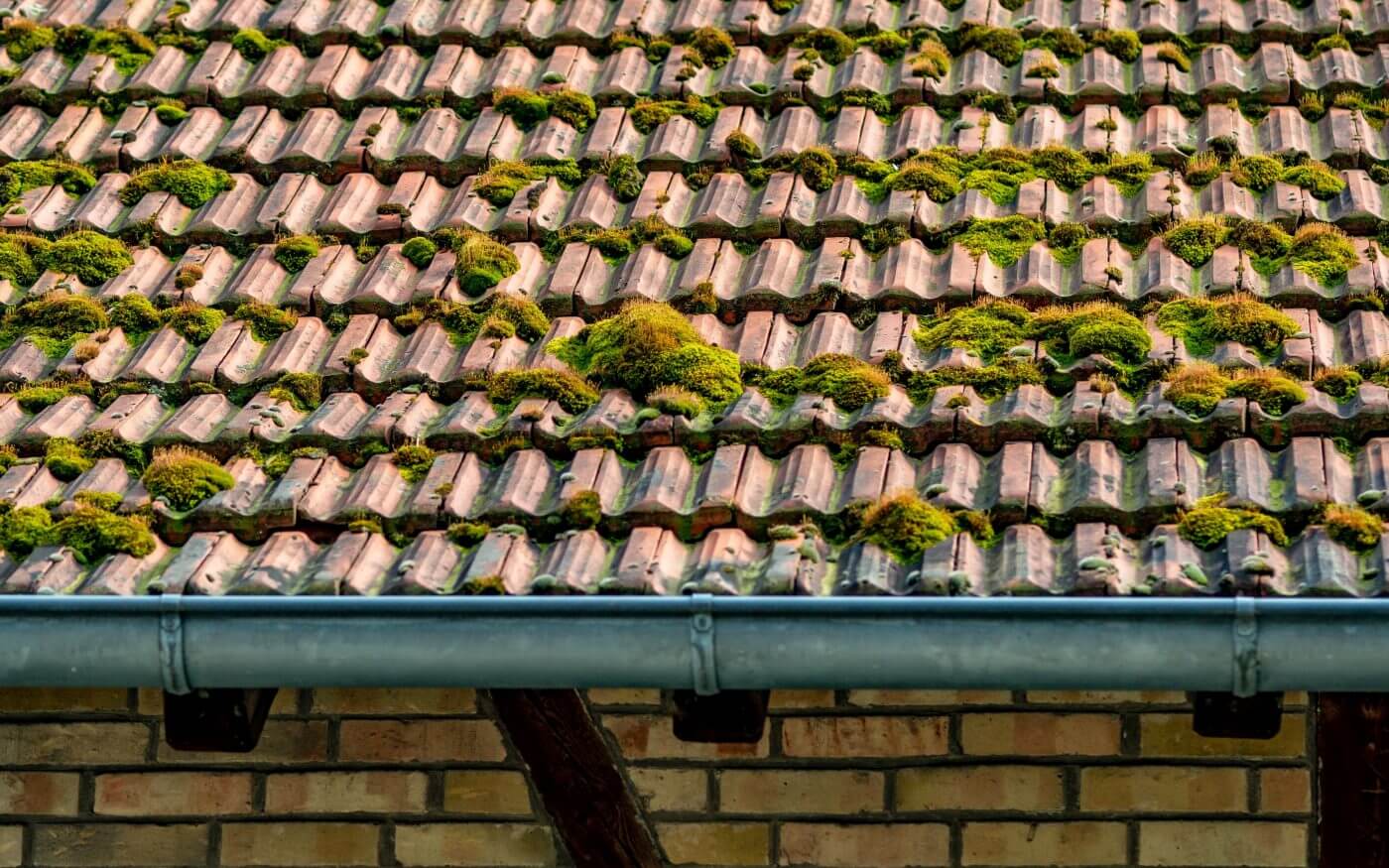
Concrete and clay tile roofs are popular across Brevard County for their durability and classic coastal look. However, despite their heavy weight and solid appearance, individual tiles are surprisingly brittle under concentrated force and direct impact.

Walking on tile roofs during a pressure washing job frequently leads to cracked or shattered tiles. Even if a cleaner stays on a ladder, a concentrated stream of high-pressure water can shift loose tiles out of alignment. Once a tile moves, high-pressure water sprays directly onto the delicate felt underlayment below, creating silent leaks. Furthermore, aggressive pressure strips away protective color glazes and slurry finishes on concrete tiles, leaving the porous surface exposed. Once the protective factory glaze is blasted away, the porous tile acts like a sponge, absorbing more moisture and allowing algae to take root deeper than before.

Can Pressure Washing Damage Metal Roofs?

Metal roofing is known for its toughness, fire resistance, and ability to withstand tropical storm winds. Because metal is so solid, many property owners assume it can handle a high-pressure wash without any trouble. That assumption often leads to expensive mistakes.

Modern metal roofs depend on specialized factory coatings and paint finishes to reflect heat and prevent rust. High-pressure water, especially when combined with gritty debris, can score, chip, or strip these protective finishes. Once the underlying metal loses its shield, coastal air and moisture quickly initiate corrosion. High-pressure streams can also force water backward through standing seams, drive moisture around rubber-washered fasteners, and compromise delicate ridge vent seals. Metal roofs are engineered to shed downward rain, not sideways blasts of pressurized water.

What Are Safer Alternatives to Pressure Washing a Roof?

Rather than relying on mechanical force to scour a roof, modern exterior care utilizes soft washing. Soft wash roof cleaning relies on low-pressure water application combined with specialized, eco-friendly cleaning solutions designed to neutralize organic growth at the microscopic level.

Instead of stripping away protective surface layers, soft wash roof cleaning gently treats algae, mold, and mildew right at the source. The gentle spray uses no more pressure than a standard garden hose, keeping shingles, tiles, and metal seams completely safe from force-induced damage. Manufacturer-approved cleaning products break down tough dark streaks while preserving factory warranties. A trained professional also uses proper runoff controls and plant protection protocols to safeguard your surrounding landscaping, bushes, and lawn during the treatment process.

clean red tile panels

When Should Rockledge Homeowners Schedule Professional Roof Cleaning?

If you notice dark streaks, green moss patches, or heavy organic discoloration on your roof, it is time to schedule a professional evaluation. Taking care of growth early prevents organic roots from eating away at limestone fillers or trapping moisture against your home. If your roof already has cracked tiles, loose shingles, or worn flashings, an expert cleaner can identify those vulnerable spots and tailor the treatment safely. Avoiding the urge to climb up on a steep, slippery roof with a rental washer protects both your personal safety and your home’s structural integrity.

Protect Your Roof With the Right Cleaning Method

Give your home the safe, effective care it deserves without the risks of high-pressure damage. Contact Beacon Cleaning today at (321) 507-4851 to schedule a professional soft wash roof cleaning assessment for your property in Rockledge, FL. Let our experienced team restore your roof’s curb appeal and protect your investment for years to come.

Read more

Why Pressure Washing Is Dangerous for Shingles, Tile, and Metal Roofs Read More »

tile roof full of moss

How Algae and Mold Shorten Shingle and Tile Roof Lifespan

Living in Rockledge, FL, means enjoying sunny coastal breezes, but it also means dealing with extreme humidity and sudden afternoon rain showers. This constant warmth and moisture create a prime breeding ground for organic growth on residential rooftops. If you step outside and look up, you might notice unsightly dark streaks running down your shingles or green patches dusting your concrete tiles.
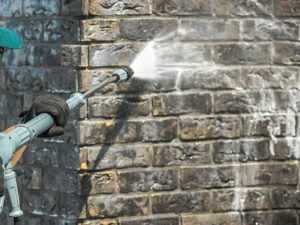
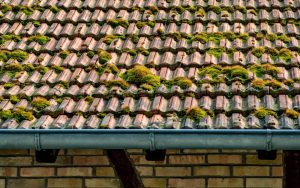
These discoloration marks are far more than a minor cosmetic issue. Left unchecked, biological growth and trapped moisture can gradually contribute to material degradation over time. Learning how algae and mold affect different roofing materials gives you the knowledge to protect your investment with smart, timely care.

Why Do Algae and Mold Grow on Roofs in Rockledge, FL?

Our local climate in Brevard County delivers high relative humidity alongside frequent precipitation, giving spores all the dampness they need to settle on building materials. Shaded sections of a roof that receive minimal sunlight stay wet longer after the rain stops.

Overhead trees also drop leaves, pine needles, and pollen. This organic debris piles up in roof valleys and around flashing, holding water like a sponge. Certain roofing products even contain limestone fillers, which supply nutrients that feed specific microscopic organisms.

It helps to understand that algae, mold, and mildew are distinct entities:

  • Algae: Photosynthetic organisms that thrive in sunlight on damp surfaces.
  • Mold and Mildew: Fungi that feed on trapped organic material in dark, wet, low-airflow environments.

Dark roof streaks are typically caused by blue-green algae (Gloeocapsa magma), whereas actual mold requires closer inspection and usually indicates lingering, trapped moisture beneath debris or damaged materials.

How Can Algae and Mold Affect Shingle Roofs?

Asphalt shingles are popular throughout East Central Florida, but their textured surfaces easily capture airborne spores. The most noticeable sign of growth is heavy dark staining. Beyond basic appearance, dense biological patches and trapped pine needles prevent rainwater from shedding efficiently.

Asphalt shingles rely on protective mineral granules to shield the underlying asphalt from harsh ultraviolet rays. While normal weather exposure naturally wears granules away over time, heavy moss growth or aggressive scrubbing can strip those granules prematurely. According to educational guidelines from the Asphalt Roofing Manufacturers Association (ARMA), dark streaks alone do not prove that shingles are structurally failing. However, stubborn staining often signals that water is draining slowly or debris is lingering in critical spots.

Close up of a roof covered in black mold and moss

What Problems Can Algae and Mold Cause on Tile Roofs?

Concrete and clay tile roofs are built to endure heavy coastal winds, but they require routine maintenance to stay clean. Algae and lichens leave dark, patchy discolorations across tile surfaces, while moss and mold thrive in the gaps between overlapping tiles.

When dead leaves and soil accumulate in tile interlocks or roof valleys, they trap moisture against the underlayment underneath. While clay and concrete tiles themselves last for decades, the underlayment below them usually has a shorter lifespan. Trapped water accelerates underlayment wear.

Furthermore, cracked or displaced tiles allow damp debris to collect directly against structural decking. Homeowners who try to wash tiles with high pressure risk cracking fragile surfaces, stripping protective coatings, or blasting water beneath the tile layer.

Can Algae and Mold Actually Shorten a Roof's Lifespan?

The short answer is that biological growth alone does not automatically destroy a roof overnight. Rather, growth serves as a visible warning light that water, shade, and organic matter are hanging around longer than they should.

In coastal environments like Rockledge, asphalt shingles typically last 15 to 25 years, while tile roofs can last 30 to 50 years when properly maintained. A roof’s actual service life depends on several interconnected factors:

  • Installation quality and proper ventilation.
  • Weather exposure from sun, tropical winds, and rain.
  • Routine inspections to catch cracked tiles or loose flashing early.
  • Moisture management to clear valley blockages before leaks develop.

By catching trapped debris, damaged shingles, and drainage issues early, you prevent minor surface problems from turning into costly structural repairs.

How Can Homeowners Prevent Roof Growth Without Causing Damage?

Preventing heavy growth on your roof requires a balanced approach focused on proper drainage and gentle care. Taking simple steps around your yard makes a significant difference:

  • Trim tree branches back at least six feet from your roofline to increase sunlight exposure and improve airflow.
  • Clear gutters, downspouts, and valley channels every season so rainwater flows off freely.
  • Inspect your roof safely from the ground after major storms to check for shifted tiles or missing shingles.
  • Avoid using high-pressure power washers, which strip shingle granules and shatter roof tiles.
  • Apply gentle cleaning solutions recommended by material manufacturers rather than relying on abrasive tools.

Homeowners should avoid walking across wet, algae-covered roofs. Slick surfaces pose severe fall hazards, and foot traffic can easily break delicate tiles or tear aging shingles.

tile roof with algae and mold

When Should You Schedule Professional Roof Cleaning?

If you notice broad black streaks across your roof plane, clusters of green growth along tile edges, or piles of leaf litter stuck in your valleys, it is time to bring in an expert. A qualified professional evaluates the age of your roof, checks the overall condition of your shingles or tiles, and applies dedicated soft-wash cleaning techniques that lift organic stains without damaging fragile materials.

  • Roof Soft Washing: Eliminates black streaks (Gloeocapsa magma) and extends shingle lifespan by reflecting solar heat efficiently.

  • Driveway & Walkway Surface Cleaning: Removes slick oil stains, tire marks, and dark mildew from concrete before holiday foot traffic arrives.

  • Screen Enclosure & Patio Wash: Clears out trapped leaves, bug nests, and green algae from pool cages and lanai framing.

  • Gutter Clean-Out and Brightening: Removes internal debris to ensure smooth drainage during late-fall rains while restoring external gutter face brightness.

Looking for Proper Roof Maintenance in Rockledge, FL?

If your roof shows signs of staining or debris accumulation, do not wait for minor moisture issues to turn into costly roof damage. Regular inspections and proper roof cleaning in Rockledge, FL help protect your investment and maintain your home’s curb appeal year after year. Contact the local team at Beacon Cleaning today at (321) 507-4851 to schedule a thorough roof inspection and discuss safe, effective cleaning options for your home.

Read more

How Algae and Mold Shorten Shingle and Tile Roof Lifespan Read More »

soft wash cleaning
soft wash cleaning

Why October Is a Smart Time to Schedule House Washing

October falls right in the sweet spot of the fall cleaning season. Florida homeowners should generally plan to wash their homes at least once a year, with spring and fall being ideal times to schedule the service.
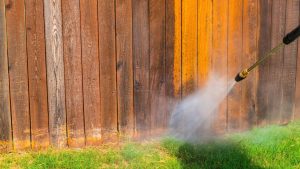
After months of heavy summer storms and blazing heat, your exterior surfaces often have layers of dirt, algae, mildew, and grime. A mid-fall cleaning gives you the perfect chance to clear away that organic growth before it embeds deeper into your paint or siding. Washing your property now also prepares your home for outdoor fall gatherings, holiday visitors, and family events. The exact timing always depends on your home’s unique exposure to shade and moisture, but October offers comfortable weather and optimal timing for deep cleaning.

How Does Florida Weather Cause Exterior Buildup?

If you live in Titusville, you know our local climate is tough on buildings. High warm temperatures combined with constant humidity create the perfect breeding ground for organic growth. Frequent afternoon rain showers keep your walls damp, especially on shaded sides of the house where the sun cannot dry things out quickly.

Trees and local vegetation near your roofline drop pollen, leaves, and organic debris right onto your exterior walls. According to environmental studies, high ambient humidity paired with organic debris creates ideal conditions for mold spores and algae to colonize structural surfaces rapidly. Exterior house cleaning demands a totally different mindset here than in cooler, drier states. Without regular care, dark algae strains like Gloeocapsa magma can quickly turn a beautiful home dingy and dull.

Common Local Contaminants

  • Gloeocapsa Magma (Black Streaks): A photosynthetic bacterium that feeds on the limestone filler in asphalt shingles and stucco, leading to dark, unsightly streaks and heat retention.
  • Green Algae: Rapidly forms on shaded walls, soffits, and north-facing siding during wet summer months.
  • Salt Spray & Sea Air: Coastal breeze carries airborne salt particles that accelerate corrosion on metal fixtures, gutters, and window frames if left unwashed.
  • Lichens & Moss: Form dual-organism bonds on roofs and brickwork, trapping moisture and breaking down surface materials over time.

Why Does October House Washing Help Prepare for the Holidays?

The holiday season arrives faster than most of us expect. October is early enough to cross exterior home maintenance off your to-do list well before Thanksgiving and December family gatherings arrive. A thorough house washing in Titusville, FL instantly upgrades your curb appeal, making your home look clean, bright, and welcoming for out-of-town guests.

Clean walls and soffits also give you a much better starting point for other seasonal outdoor projects. If you plan to hang up festive outdoor lights or holiday decorations, cleaning your siding first keeps your hands, ladders, and light clips free of thick dirt and spiderwebs. It makes the process smoother and keeps your home looking its best all season long.

garage soft washing

What Are the Signs Your Titusville Home Is Ready for a Wash?

You do not need to wait until your walls look completely covered in grime to take action. Spotting early warning signs lets you protect your paint and exterior finishes before real damage occurs. Keep an eye out for these visual indicators around your property:

  • Green or dark discoloration creeping along your siding or stucco
  • Visible patches of algae, moss, or mildew near shaded foundation lines
  • Layered dirt, dust, and pollen buildup on your home’s exterior surfaces
  • Stained, dingy walls that have lost their original bright color
  • Heavy cobwebs, bug nests, and accumulated debris under your eaves
  • Exterior walls that look noticeably dirtier than they did twelve months ago

If you notice any of these signs, your home is ready for a professional cleaning.

Should You Pressure Wash or Soft Wash Your House?

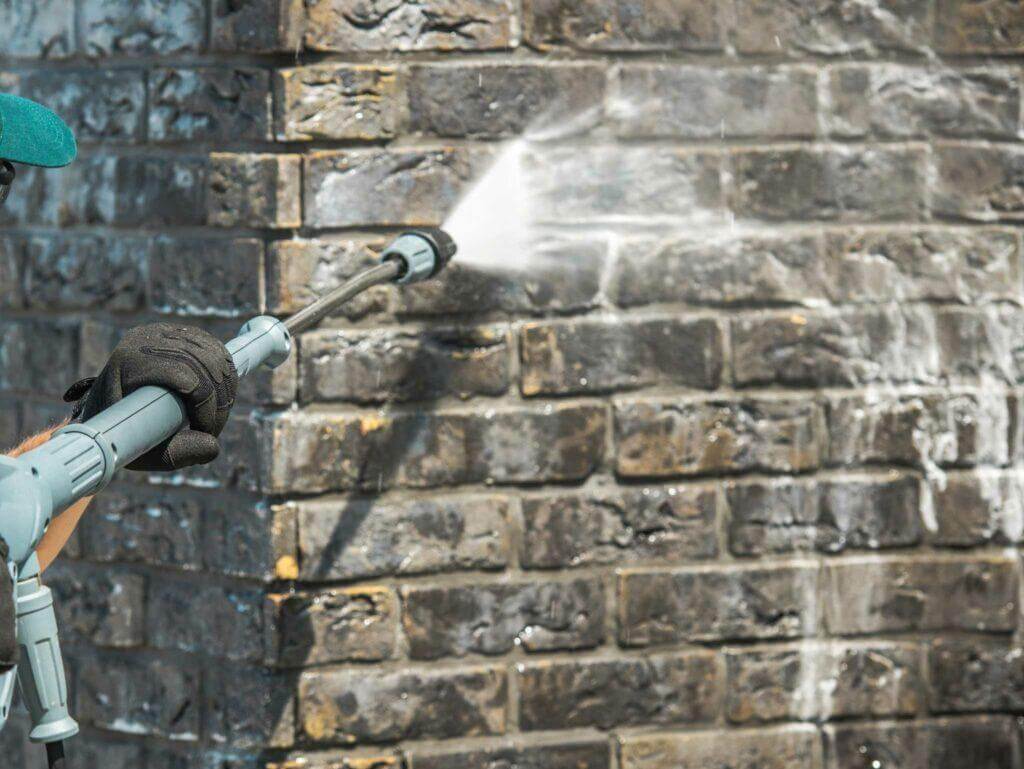
Many people use the term pressure washing in Titusville, FL to describe any type of exterior cleaning. However, blasting high-pressure water directly at your home isn’t always the right choice—and can often do more harm than good.

Soft Washing

  • Pressure Level: Low pressure (similar to a garden hose)

  • Best Used For: Stucco, vinyl siding, paint, roofs, and screen enclosures

  • How It Cleans: Eco-friendly cleaning solutions kill algae at the root

  • Risk Factor: Safe for delicate materials; prevents water intrusion

High-Pressure Washing

  • Pressure Level: High pressure (up to 4,000+ PSI)
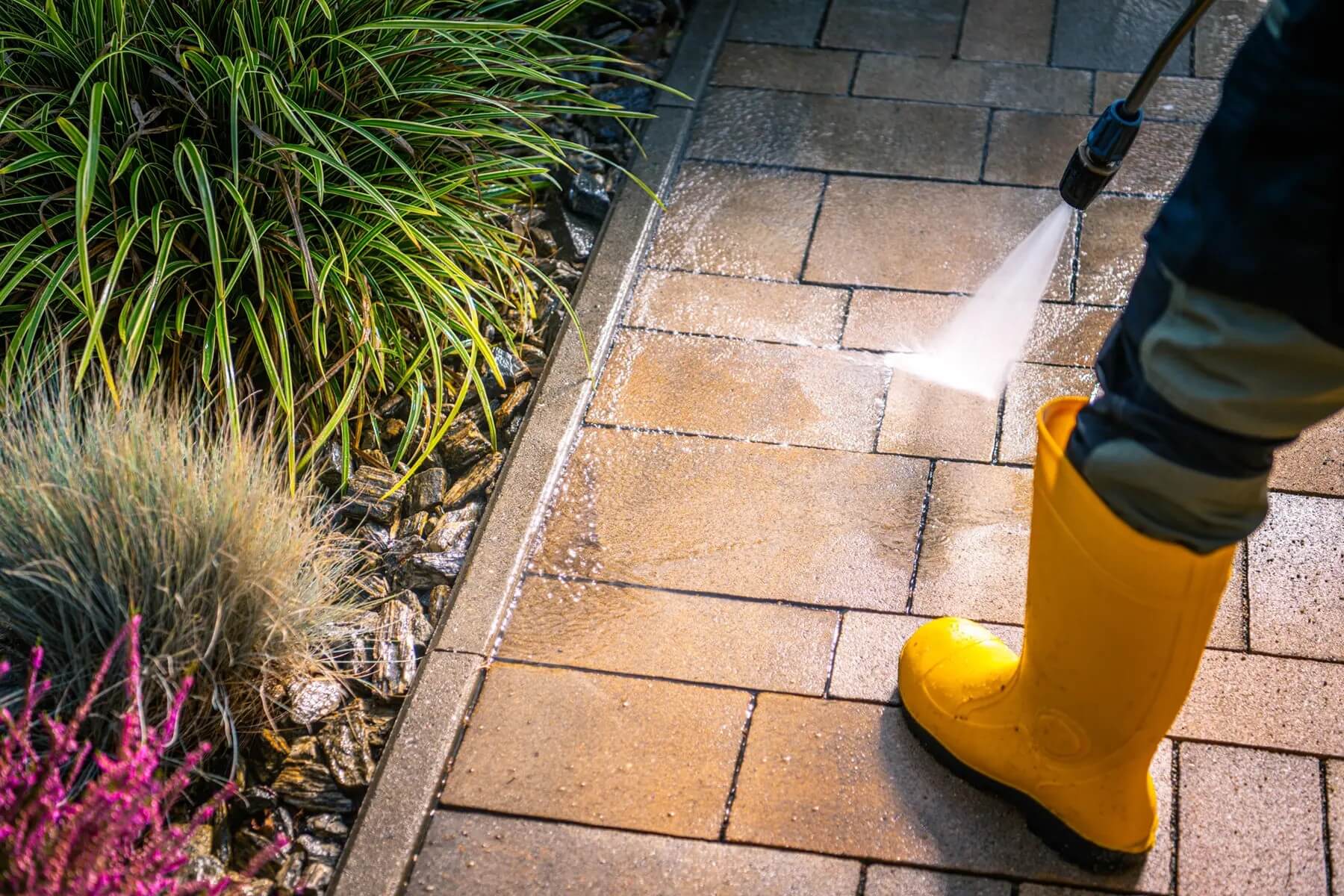
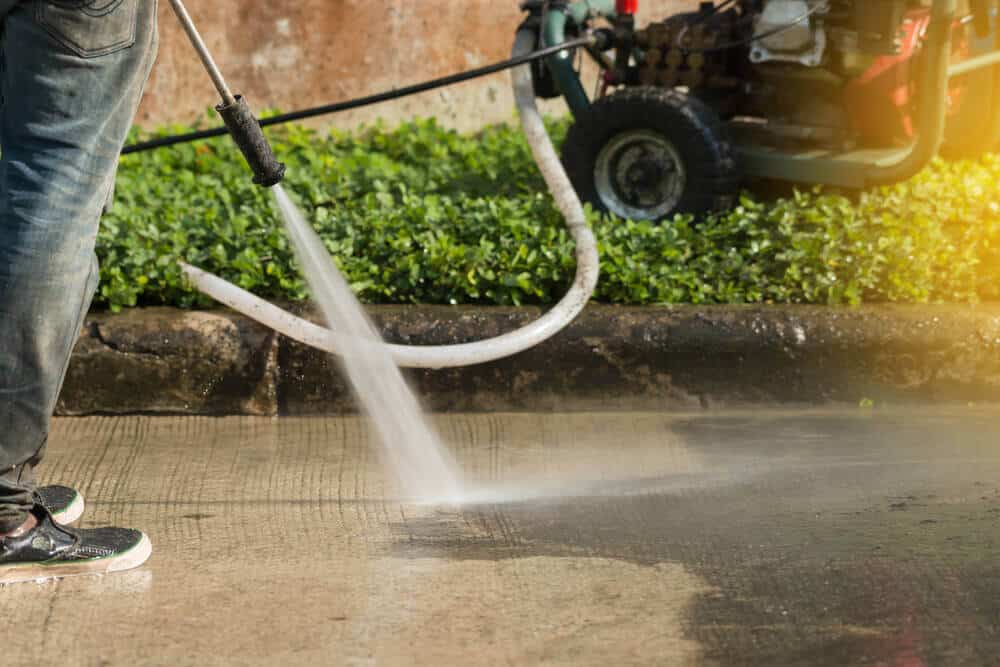
  • Best Used For: Concrete driveways, brick patios, and stone walkways
  • How It Cleans: Mechanical force strips away hard surface dirt
  • Risk Factor: High risk of cracking siding, stripping paint, or blowing seals

High pressure can crack siding, strip paint, erode stucco finish, or force water behind delicate vinyl panels where it trapped moisture leads to indoor mold.

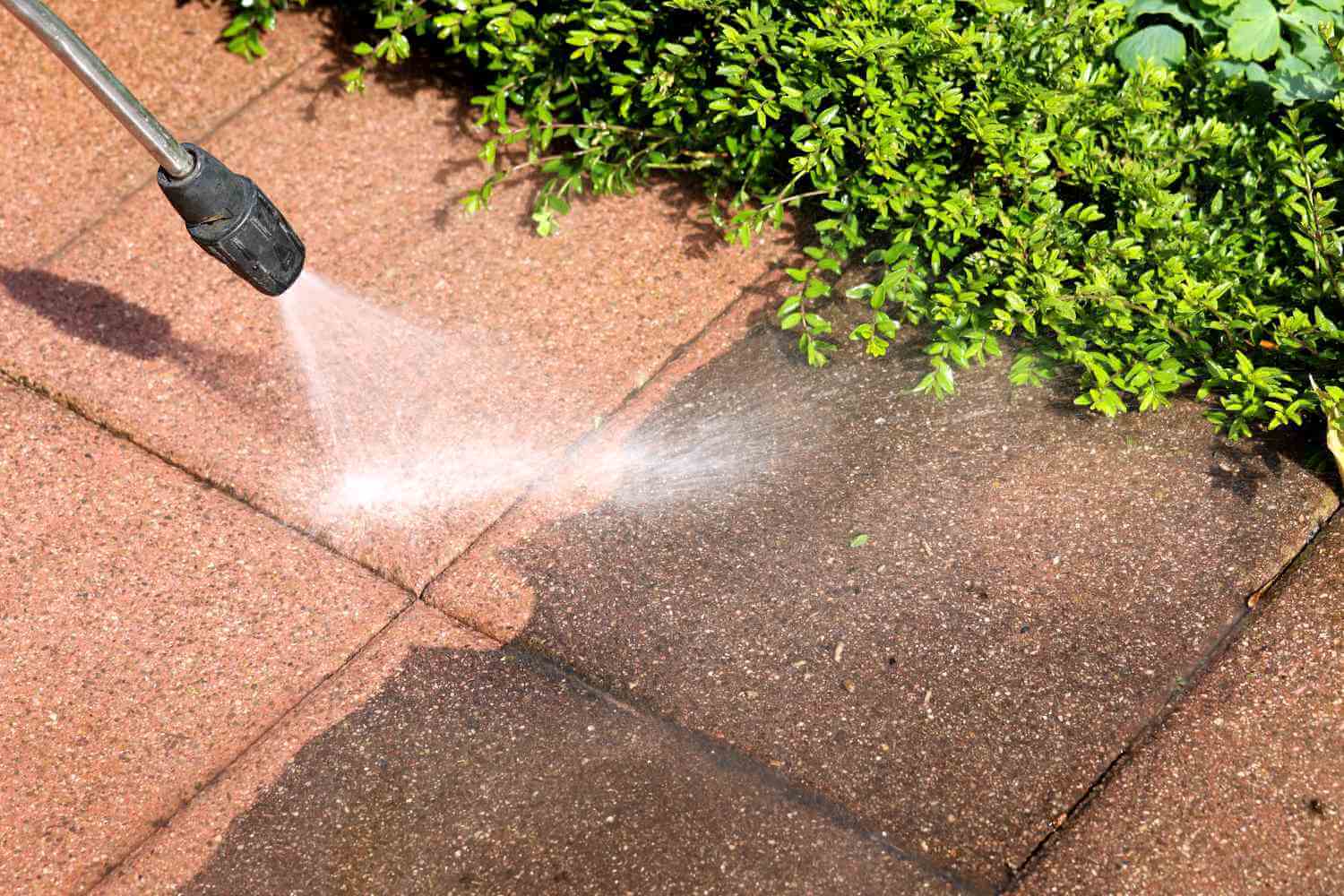
That is why professional residential cleaning services rely heavily on soft washing for home exteriors. Soft washing uses low water pressure combined with specialized, eco-friendly cleaning solutions to break down mold, mildew, and algae at the microscopic level. High-pressure washing is then reserved for hard, durable surfaces like concrete driveways, stone walkways, and brick patios. Using the right method for each surface keeps your property spotless without risking costly structural damage.

soft washing a house siding

Exterior Areas to Include in Your Clean-Up

When planning your fall exterior maintenance, don’t stop at just the house walls. A complete exterior refresh involves several key areas:

  • Roof Soft Washing: Eliminates black streaks (Gloeocapsa magma) and extends shingle lifespan by reflecting solar heat efficiently.

  • Driveway & Walkway Surface Cleaning: Removes slick oil stains, tire marks, and dark mildew from concrete before holiday foot traffic arrives.

  • Screen Enclosure & Patio Wash: Clears out trapped leaves, bug nests, and green algae from pool cages and lanai framing.

  • Gutter Clean-Out and Brightening: Removes internal debris to ensure smooth drainage during late-fall rains while restoring external gutter face brightness.

How Often Should You Wash Your House in Florida?

The baseline rule for Sunshine State properties is simple: schedule a complete wash at least once every twelve months. Both spring and fall offer ideal weather conditions for this work. Spring cleaning between March and May clears away winter dirt and heavy pollen seasons, while fall cleaning from September through November clears away summer storm buildup.

October is a practical, highly convenient choice for homeowners who prefer a fall maintenance schedule. Homes surrounded by large trees, heavy shade, or high moisture levels may need attention more often. Paying attention to your property’s actual condition helps you set the ultimate maintenance schedule.

Are you ready to restore your home’s curb appeal before the holidays arrive? Contact the experienced team at Beacon Cleaning today at (321) 507-4851 to schedule your professional house washing service in Titusville!

Read more

Why October Is a Smart Time to Schedule House Washing Read More »

fence power washing
fence power washing

How Often Should You Pressure Wash Your Fence?

Under normal conditions, you should pressure wash your fence every 12 to 18 months. However, some residential properties only require a thorough cleaning every 18 to 24 months if they are sheltered from extreme environmental exposure and remain relatively clean.
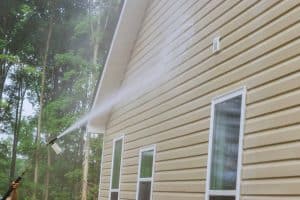
On the flip side, properties surrounded by heavy tree cover, dense shade, or constant moisture often need attention every 6 to 12 months because organic growth accelerates. Rather than sticking strictly to a calendar, the best approach is to monitor the surface condition. Visible green algae, dark streaks, soot, or caked-on mud indicate that your fence is ready for a professional wash.

Why Does Florida Weather Make Fences Get Dirty Faster?

Florida weather makes fences get dirty faster because our constant humidity, intense solar heat, and frequent rain showers create the ultimate breeding ground for organic growth. In Titusville, Florida, damp ocean air and warm temperatures allow airborne spores to thrive on outdoor surfaces year-round.

Shaded yard sections stay moist long after afternoon thunderstorms pass, giving mildew and green algae a foothold on wood, vinyl, and metal panels. Fallen leaves, pollen catkins, and windblown dirt accumulate in corners, holding trapped water against structural posts. While every property in Titusville gets slightly different sun exposure, local outdoor conditions generally require more regular fence care than in cooler or arid regions.

before and after deck pressure cleaning

What Are The Signs Your Fence Needs Pressure Washing?

  • Green, gray, or black discoloration spreading across the surface panels
  • Visible mold, mildew, or algae patches, especially along bottom edges
  • Heavy layers of dirt, mud, and windblown soil after seasonal storms
  • Dull, weathered-looking surfaces that have lost their original brightness
  • Thick spider webs, insect nests, and accumulated tree debris
  • Stubborn water stains and dark streaks that do not rinse off with a garden hose
  • A stark contrast in color between shaded fence sections and sun-exposed areas

How Often Should Different Types of Fences Be Cleaned?

Different fence materials react uniquely to environmental factors, which directly dictates how often they require a fresh wash.

Wood Fences

Wood fibers naturally retain moisture, making timber fences prone to collecting moss, algae, and deep-seated grime. Research on wood preservation from the USDA Forest Service Forest Products Laboratory shows that unmaintained exterior wood absorbs moisture rapidly, encouraging microorganism growth that degrades surface aesthetics. Annual cleaning with low-pressure soft washing techniques keeps organic buildup from settling into wood pores without damaging delicate timber fibers.

Vinyl Fences

Bright white or tan vinyl panels show green algae growth and dark dirt very clearly. Fortunately, synthetic materials do not absorb moisture, making surface buildup relatively easy to remove. A thorough yearly cleaning generally keeps vinyl looking like the day it was installed.

Metal Fences

Wrought iron and aluminum fencing accumulate pollen, road grime, and bird droppings over time. Depending on your landscaping and surrounding tree cover, metal barriers typically need fence cleaning every 18 to 24 months, focusing on removing salt spray and dirt without scratching protective powder coatings.

Composite Fences

Composite materials combine wood flour and plastic resins and require strict adherence to manufacturer care guidelines. Cleaning intervals usually range from 12 to 24 months, depending on shade and nearby vegetation.

Does Pressure Washing Damage a Fence?

No, pressure washing does not damage a fence when you use the right pressure settings, nozzles, and cleaning solutions. Damage occurs only when unqualified operators use excessive pressure or hold high-pressure tips too close to fragile surfaces.

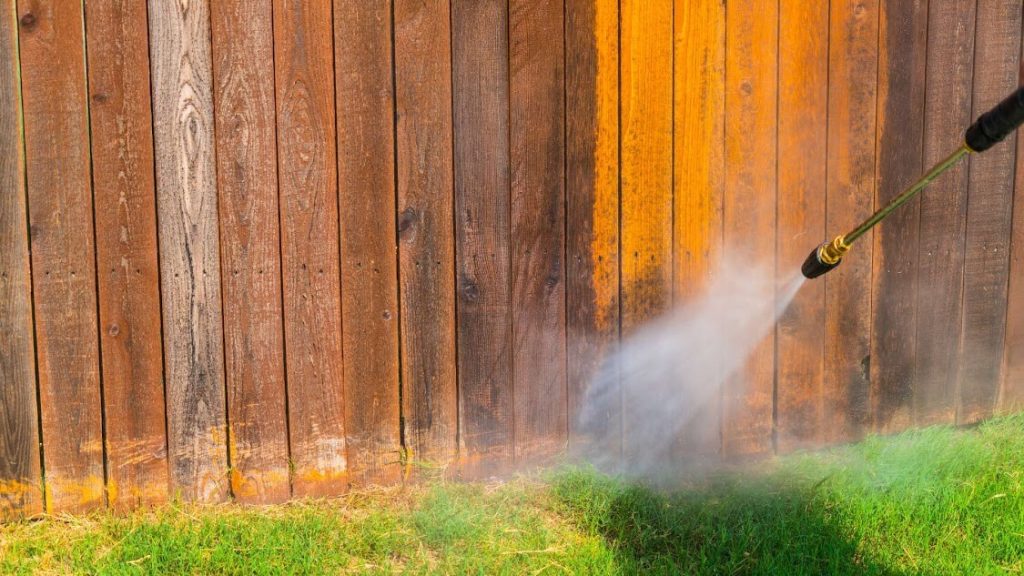
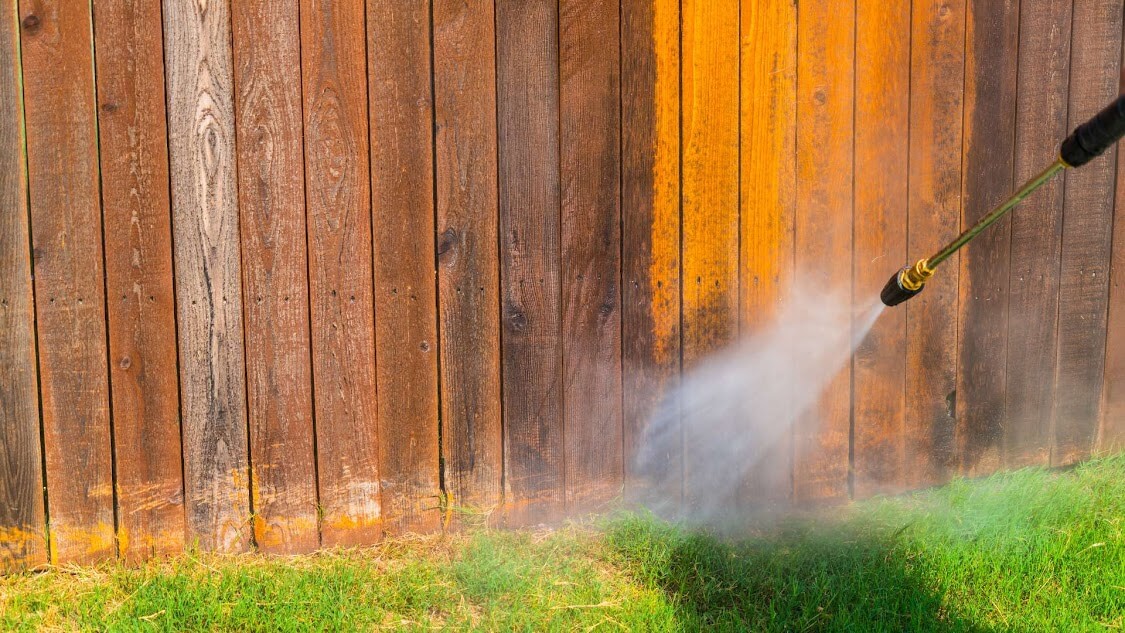
Softwood species are particularly vulnerable to high pressure, which can strip, gouge, or splinter wood grain permanently. Professional fence washing utilizes low-pressure soft wash techniques paired with eco-friendly cleaning agents, ensuring dirt and organic spores melt away safely without harming your investment.

fence pressure cleaning

Why Is Regular Fence Cleaning Better Than Waiting for Heavy Buildup?

Regular fence cleaning removes organic spores early, preventing heavy algae colonies from embedding into surface crevices. Routine maintenance keeps your boundary lines bright and makes future washings faster and more effective.

Maintaining your perimeter line complements other routine exterior care services like driveway, sidewalk, and house washing, creating a polished curb appeal across your entire property. Treating fence care as part of a complete exterior maintenance routine prevents deep staining before it takes hold.

When Is the Best Time to Pressure Wash a Fence in Titusville?

The best time to pressure wash a fence in Titusville is whenever visible organic growth appears or during your annual spring and fall cleaning schedules. Because Central Florida enjoys mild temperatures year-round, you can comfortably complete professional exterior washing in any season.

Scheduling a cleanout right after pollen season ends or before major outdoor gatherings ensures your backyard space looks spotless for family guests and seasonal events.

Keep Your Titusville Fence Looking Its Best

While a general guideline suggests cleaning your home’s boundaries about once a year, Titusville’s unique combination of heat, humidity, and coastal moisture ultimately dictates your exact maintenance schedule. Regularly inspect your yard perimeter for green algae, dark mildew, and built-up grime to keep your property in top shape.

If your fence shows signs of stubborn discoloration or heavy organic growth, trust the local experts at Beacon Cleaning to restore its original beauty safely. Contact our team today at (321) 507-4851 to schedule your professional fence cleaning in Titusville, FL, and revive your home’s exterior today!

Read more

How Often Should You Pressure Wash Your Fence? Read More »

How to Clean Your Home Exterior

How to Clean Your Home’s Exterior After Florida Storms

Living in Brevard County brings sunny beaches, warm ocean breezes, and the occasional severe coastal weather. When tropical storms or summer severe weather roll through the Space Coast, they leave behind quite a mess. High winds blow heavy ocean mist, mud, debris, and shredded vegetation against your siding and outdoor living areas.
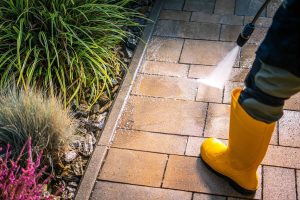
Cleaning up after a storm is about more than just maintaining curb appeal. It protects your property from long-term moisture damage, structural decay, and aggressive mold growth.

Florida’s heat and humidity create an ideal environment for organic matter to thrive on damp surfaces. Tackling the cleanup process step by step ensures your home remains safe, dry, and structurally sound.

How Do You Perform Essential Safety Checks First?

Before picking up a rake, pulling out a hose, or starting any equipment, pause and check your surroundings for potential safety hazards. Storm damage can create hidden dangers around your yard and home exterior.

According to safety guidelines from the University of Florida IFAS Extension, post-storm cleanup requires careful site inspection before work begins. Taking simple precautions protects you and your family from unexpected injuries while working outside.

  • Look for danger: Walk around your property to check for loose roofing materials, cracked window glass, hanging tree limbs, and unstable building structures.
  • Wear gear: Put on sturdy closed-toe work boots, heavy-duty work gloves, and protective eyewear before handling any debris.
  • Stay away: Maintain a wide distance from fallen power lines, leaning utility poles, or standing water that might cover submerged electrical connections.

If you see downed power cables or suspect electrical issues, call Brevard County emergency management or your local utility company right away. Never attempt to handle electrical hazards on your own.

patio ceiling cleaning

How Do You Safely Clear Yard Debris and Mud?

Once you know the area is safe, you can start removing the heavy mess left behind by high winds and torrential rain. Clearing debris quickly prevents grass from dying and stops mold from taking root on your hardscapes.

The National Oceanic and Atmospheric Administration (NOAA) reports that tropical cyclones are the costliest natural disasters in the U.S., causing over $1.5 trillion in total property and infrastructure damage since 1980. Proper post-storm maintenance helps mitigate long-term structural decay.

Sort Waste

Separate your yard waste into clear piles to help city workers pick it up faster. Place organic material like limbs and leaves in one area, and put damaged building materials like ruined fencing or aluminum fascia in another. Keeping your waste organized speeds up Brevard County storm cleanup services and keeps your curb neat.

Cut Branches

Trim back broken tree limbs that pose an immediate risk to your driveway, roof, or walkways. Use a sturdy hand saw or chainsaw only if you are confident and experienced in operating one safely. Always cut pieces into manageable sizes so you do not strain your back while carrying them to the curb.

Clear Gutters

Remove heavy leaves, pine needles, and mud from your gutter channels and downspouts. When gutters clog during Florida rainstorms, water backs up under your roof shingles and spills over onto your home’s foundation. Ensuring your drainage system flows freely prevents thousands of dollars in water damage to your soffits and exterior walls.

soft washing a siding

How Can You Safely Rinse Siding and Protect Landscaping?

Start the exterior washing process by gently rinsing off loose surface mud, grit, and sand. Avoid blasting surfaces with high pressure immediately, as coarse grit can scratch paint and damage delicate building materials.

  • Protect plants: Saturate surrounding gardens and tropical shrubs with fresh water before and after applying outdoor cleaning solutions to safeguard foliage.
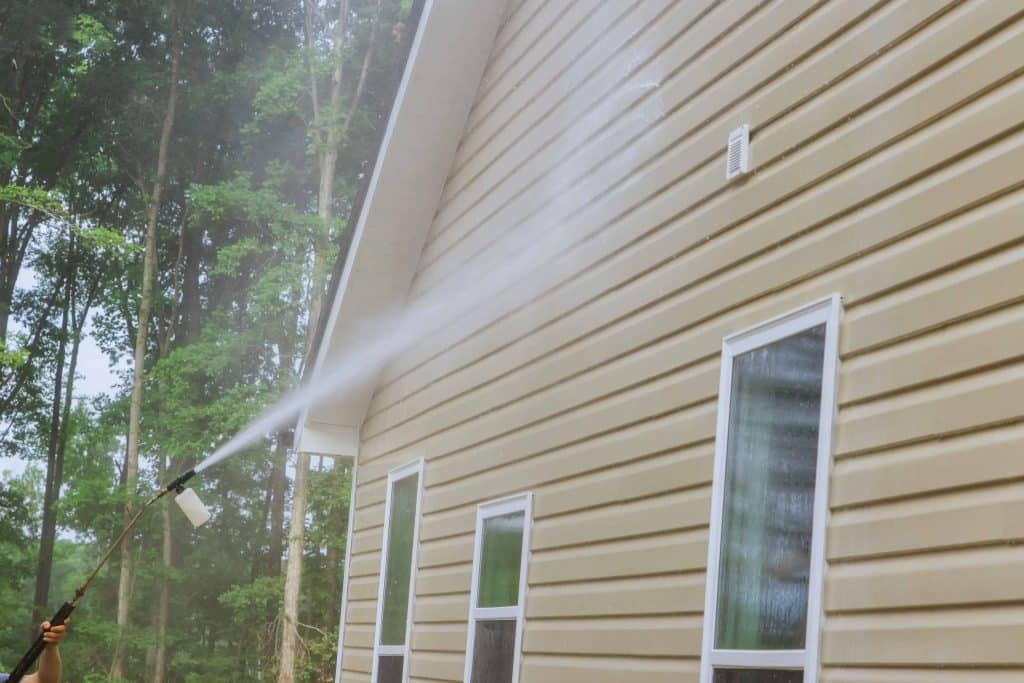
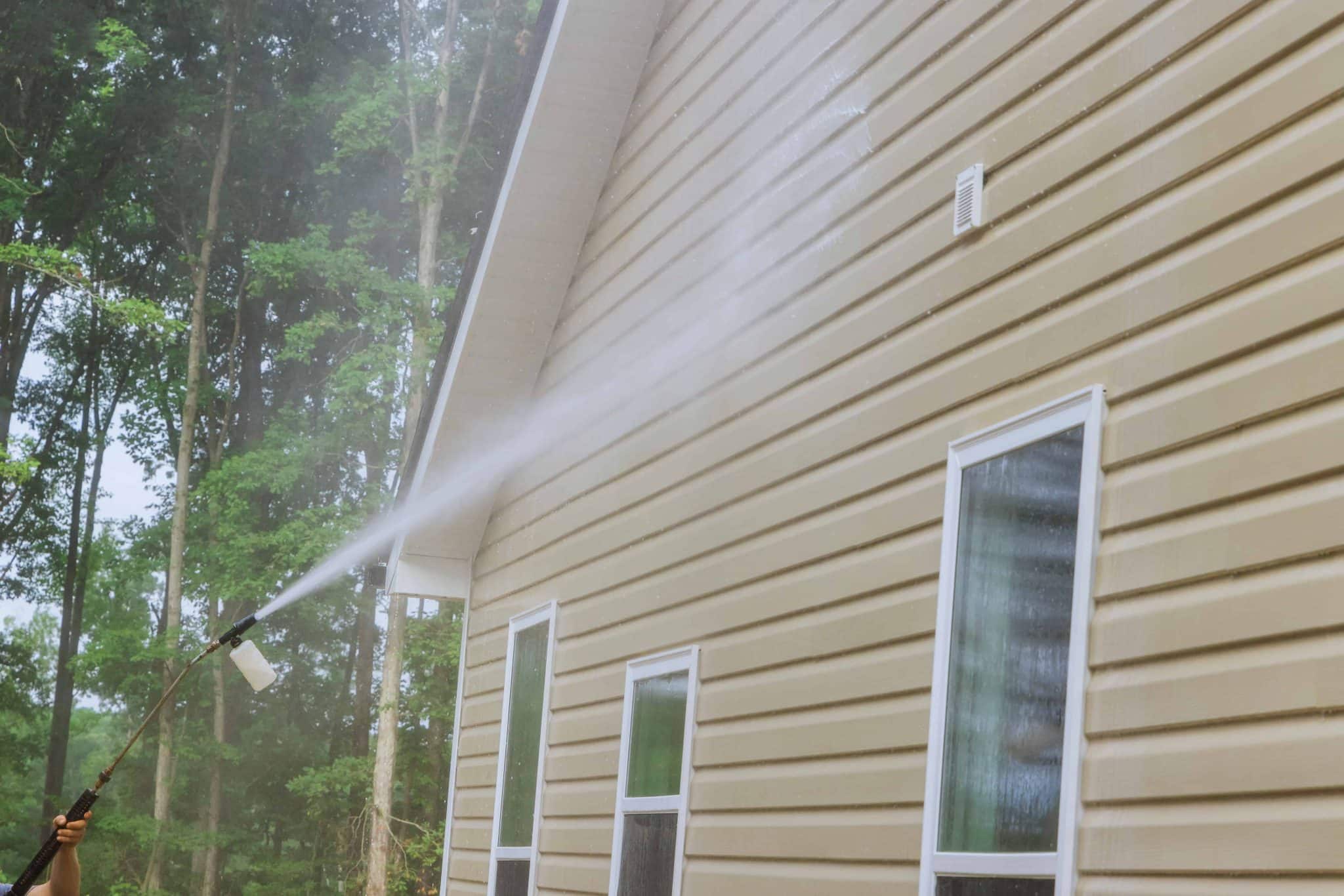
  • Rinse siding: Spray your walls from top to bottom using a low-pressure setting to wash away surface dust and loose mud without forcing water behind siding panels.

Why Is a Soft Wash System the Best Choice for Storm Cleanup?

High pressure water can strip paint, crack aged vinyl, and blast hole cuts into soft Florida stucco. For delicate exterior surfaces, low-pressure soft washing offers a safer, more effective cleaning method.

Soft washing uses specialized, eco-friendly cleaning formulas paired with gentle water pressure—typically below 500 PSI—to treat surfaces. Instead of using raw force to blast surface dirt, the specialized solution breaks down stubborn algae spores, black mold, and embedded salt deposits at the root. This gentle approach cleans thoroughly without compromising window seals, lifting shingles, or driving moisture behind exterior walls.

Ready to Restore Your Home's Exterior?

When storm cleanup feels too heavy, or when your home requires deep exterior revitalization, calling in trained experts saves you time, stress, and potential property damage. A dedicated team offering expert pressure cleaning and high-quality pressure washing in Melbourne, FL has the commercial tools, proper safety ladders, and experienced hands needed to restore your driveway, roof, and siding quickly and safely.

Don’t let post-storm grime, mold, and salt spray ruin your home’s curb appeal or damage your paint. Contact Beacon Cleaning today at (321) 507-4851 for your premier power washing service in Melbourne, FL!

Read more

How to Clean Your Home’s Exterior After Florida Storms Read More »

Sidewalks Pressure Wash

Why Should Florida Homeowners Pressure Wash Their Sidewalks Regularly?

Regular pressure washing keeps Florida sidewalks safe, clean, and free from the heavy buildup caused by the state’s unique climate.

Living along the Space Coast, we enjoy plenty of sunshine, but we also deal with brutal humidity, frequent afternoon downpours, and salty coastal air. This combination creates the ultimate storm for your home’s exterior flat surfaces. Concrete is porous, acting like a hard sponge that traps moisture, dirt, and organic growth. When left untreated, a walkway degrades quickly. Investing in routine exterior cleaning keeps your walkways looking sharp while preventing long-term structural damage.

Why Does The Local Florida Climate Impact Your Concrete Sidewalks?

Florida heat paired with heavy rainfall makes concrete walkways prime real estate for unwanted organic growth. Sunlight speeds up biological development, while frequent summer rain delivers a steady supply of moisture.

When damp conditions linger under oak canopy shade or near irrigated lawns, microscopic spores take root deep inside the porous surface of the concrete. Over a few short weeks, a light dust coating transforms into a thick layer of slick grime. Without routine maintenance, this constant exposure causes deep staining and surface deterioration.

What Are The Key Benefits Of Pressure Washing Sidewalks?

Pressure washing delivers far more than just a quick cosmetic refresh for your entryways. Cleaning your concrete walkways restores your property’s overall structural safety and long-term financial value.

Removes Stubborn Mold and Dark Algae

Central Florida humidity creates an ideal environment for biological growth on outdoor surfaces. Cyanobacteria and terrestrial algae thrive on humid outdoor structural materials, rapidly colonizing porous surfaces. These organisms dig into tiny concrete crevices, turning clean gray walkways into patchy, dark green or black eyesores. Standard garden hoses cannot clear out these deeply embedded roots, but professional pressure cleaning flushes them out completely.

Prevents Dangerous Slip Hazards

When algae, mold, and mildew mix with rain or morning dew, they turn your walkways as slick as ice. Data provided by the Florida Department of Health confirms that unintentional falls represent the top cause of non-fatal injury hospitalizations across the state. A slick walkway poses a massive liability for family members, mail carriers, and visiting guests. Blasting away organic buildup eliminates this invisible layer of slick film, restoring natural foot traction on your concrete.

Protects Concrete Integrity and Structural Lifespan

Dirty concrete degrades faster than clean concrete. Mold and algae produce weak acidic compounds that slowly break down the lime and cement binders inside concrete. During cooler winter stretches, trapped moisture inside porous concrete expands and contracts. Over time, this leads to micro-cracking, surface scaling, and unsightly spalling that requires expensive structural repair work.

Boosts Overall Property Curb Appeal

Dirty concrete degrades faster than clean concrete. Mold and algae produce weak acidic compounds that slowly break down the lime and cement binders inside concrete. During cooler winter stretches, trapped moisture inside porous concrete expands and contracts. Over time, this leads to micro-cracking, surface scaling, and unsightly spalling that requires expensive structural repair work.

Maintains HOA Compliance and Avoids Fines

If you live in one of Melbourne’s many managed communities, keeping up with Homeowners Association rules is a daily requirement. HOA boards frequently issue violation notices for dirty, stained, or algae-covered driveways and walkways. Schedule routine cleaning to stay ahead of HOA inspections and avoid unnecessary warning letters or expensive monthly fines.

exterior cleaning service

How Often Should You Pressure Wash Concrete Walkways In Melbourne?

How often your walkways need attention depends heavily on your specific lot conditions, tree shade, and exposure to coastal weather.

Every 6 to 12 Months

For most homes exposed to direct sunlight with typical foot traffic, an annual or bi-annual pressure cleaning keeps surfaces clean. This schedule prevents algae from settling deep enough to cause permanent dark discoloration.

Every 6 Months for Shaded or Low-Lying Areas

If your property features heavy tree cover, dense palm landscaping, or poor lawn drainage, wash your walkways twice a year. Shaded concrete holds onto water much longer after summer storms, allowing algae and moss to return twice as fast.

Immediately After Heavy Summer Storms

Florida hurricane seasons and tropical storms throw massive amounts of organic debris, oak leaves, and mud across your property. Tannins leaching from fallen leaves leave deep brown stains on light concrete if left under the hot sun. A quick wash after major storm cleanups keeps these natural dyes from soaking deep into the surface.

sidewalk cleaning

How Can You Get Your Sidewalks Safely Cleaned Today?

Restoring your home’s curb appeal requires specialized equipment, proper chemical mixes, and safe surface pressure settings that remove grime without damaging the concrete.

  • Walk around your property to check for dark staining, slick green patches, or HOA compliance flags.
  • Clear away potted plants, garden hoses, and low-hanging lawn decorations from your front walkway.
  • Hire experienced local specialists who understand how to clean Florida concrete safely and efficiently.

Get Safe, Reliable Service for Your Home

If you want to restore your home’s entryways, eliminate dangerous slip hazards, and keep your property looking great year-round, call in expert help. For reliable pressure washing in Melbourne, FL, call Beacon Cleaning at (321) 507-4851. Reach out today to get a quick quote from a trusted power washing service in Melbourne, FL, and enjoy clean, safe walkways again.

Read more

Why Should Florida Homeowners Pressure Wash Their Sidewalks Regularly? Read More »

beacon cleaning exterior specialists

Why DIY House Washing Can Damage Your Exterior

Is DIY House Washing Really Worth the Risk in Cocoa, FL?

Renting a pressure washer for a weekend project might seem like a quick way to save money, but DIY house washing in Cocoa, FL often leads to expensive home repairs instead.
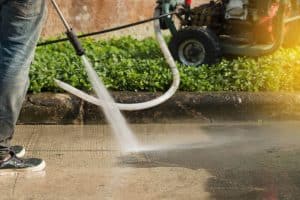
Living near the Indian River Lagoon and the coast means our homes face heat, humidity, and salt air every day. That mixture creates a breeding ground for green algae, dark mildew, and stubborn grime on your siding. When homeowners try to blast these stains away on their own, they often rely on sheer water pressure. Unfortunately, standard house cleaning with high pressure can easily strip paint, crack vinyl, and force water into places it should never go.

How Does High Pressure Destroy Your Home's Exterior?

High-pressure water destroys home exteriors by cracking vinyl siding, gouging stucco, breaking window seals, and forcing water deep behind your walls.

When water gets pushed behind your exterior walls, it stays trapped. That trapped moisture creates hidden wood rot and indoor mold growth that you might not notice until it becomes a massive repair bill. Stucco and painted wood are especially delicate. A single blast from a high-pressure nozzle can chip away protective coatings or leave visible zebra stripes across your walls.

According to guidelines from the University of Florida IFAS Extension, Florida’s warm climate speeds up fungal and mold growth whenever moisture remains trapped in exterior structures. Blasting water with force only adds more moisture under your siding, making the mold problem worse underneath.

soft washing a residential siding

Can Washing Your Own Home Cause Personal Injury?

Yes, operating a high-pressure power washer without professional training often causes severe skin lacerations, eye injuries, and dangerous ladder falls.

Pressure washers exert between 2,000 and 4,000 pounds per square inch of force. That is enough power to slice through a work boot or cause deep tissue damage in a split second.

Data published by the Centers for Disease Control and Prevention shows that thousands of people end up in emergency rooms every year from pressure washer accidents. Many of these injuries involve deep water injection wounds or serious falls from trying to hold a kick-back wand while standing on a ladder.

Why Doesn't Blasting Water Get Rid of Mold and Algae?

High-pressure water only knocks off the visible surface layer of dirt while leaving the living mold and algae roots completely unharmed inside the material.

When you use water alone, the green and black spots usually return within a few short weeks. Real exterior house washing relies on a method called soft washing. Soft washing uses low pressure paired with specialized, eco-friendly cleaning solutions. The solution sinks deep into porous concrete, stucco, and vinyl to kill algae spores right at the root.

If you want long-lasting results for your exterior house cleaning in Cocoa, FL, low-pressure soft washing is the safest and most effective choice for your property.

vinyl siding cleaning

Ready to Protect Your Home With Professional Soft Washing?

You do not have to risk personal injury or costly property damage to keep your home looking fresh and vibrant. The trained team at Beacon Cleaning uses specialized soft-wash equipment that lifts away tough coastal grime, algae, and mold without ever risking your siding or seals.

Protect your investment and skip the weekend hassle. Give Beacon Cleaning a call today at (321) 507-4851 to get a free estimate on your next exterior service.

Read more

Why DIY House Washing Can Damage Your Exterior Read More »

pressure cleaning a driveway

The Benefits of Routine Commercial Pressure Cleaning in Cocoa, FL

Is your storefront or office building putting its best foot forward? Owning or managing a business in Cocoa, Florida, comes with great local perks, like bright sunshine and steady coastal foot traffic. But that same coastal environment presents unique upkeep challenges.
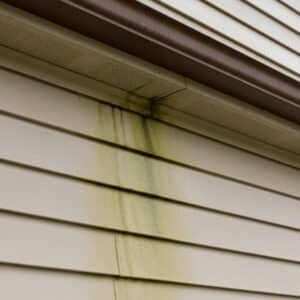
Between intense salt air drifting off the Indian River, persistent high humidity, and sudden afternoon downpours, commercial exteriors in Brevard County take a beating. Dirty sidewalks, mildewed exterior walls, and stained entryways do more than just look messy; they actively push potential customers away. Staying ahead of exterior wear requires consistent maintenance, and that is where professional commercial pressure washing in Cocoa, FL, plays a major role.

Why Does Humidity and Coastal Air Ruin Cocoa Exteriors So Fast?

If you have spent any real time managing property along the Space Coast, you know how aggressive the local climate can be. Mold, mildew, and black algae thrive in humid subtropical zones. It only takes a few weeks of direct sun mixed with damp air for clean concrete or stucco to start showing dark streaks.

Salt spray from the coast accelerates this buildup. Salt deposits trap moisture against surfaces, creating the exact environment mold spores need to grow. According to research on indoor and exterior air quality from the Florida Department of Health, mold needs three basic ingredients to thrive: nutrients, organic material, and consistent moisture. In our coastal climate, outdoor building materials provide all three constantly.

Left untreated, these growths do actual physical damage. Algae roots sink into porous materials like brick, concrete, and painted stucco. Over time, those micro-cracks expand, leading to expensive structural repairs. Routine high pressure cleaning lifts those embedded contaminants out before they can cause lasting surface degradation.

benefits of commercial pressure cleaning

How Does Exterior Cleanliness Directly Impact Customer Decisions?

Think about how you pick a place to eat or shop when you are out on King Street or near Historic Cocoa Village. If a store has dark oil stains covering the parking spaces and green grime creeping up the entryway walls, it leaves a bad impression. Customers subconsciously associate a dirty exterior with poor management inside.

Visual appeal drives actual commercial real estate and business values. A study published by researchers at Portland State University shows that property cleanliness and overall maintenance are key components of commercial “curb appeal”. The study found that positive exterior visual cues directly influence customer patronage decisions and elevate commercial property values.

  • First impressions: Clean sidewalks and spotless building facades signal professional service before a customer ever opens your front door.
  • Safety first: Mold and algae on concrete turn slick when wet. Regular pressure washing removes dangerous slip-and-fall hazards for employees and visitors.
  • Pest prevention: Dirt buildup, trash residue, and sticky spills around dumpster pads invite insects and rodents right to your back entrance.

Scheduling routine commercial pressure cleaning in Cocoa, FL, protects your physical investment while making sure your business looks welcoming every single day.

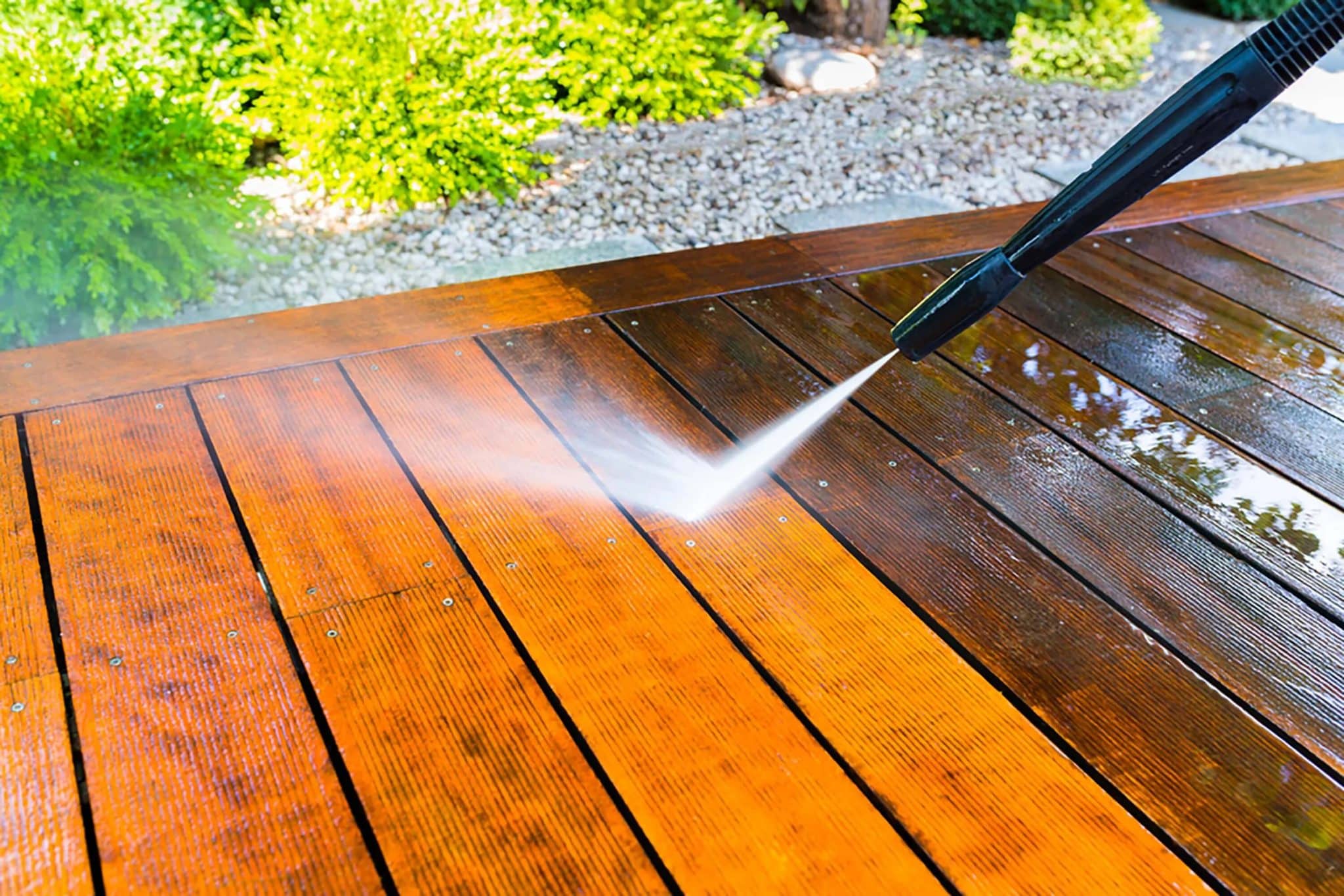
pressure washing a wooden deck

Ready to Restore Your Property’s Curb Appeal?

You should not have to spend your valuable time worrying about dirty sidewalks, stained awnings, or grimy exterior walls. Investing in a professional pressure washing service keeps your space clean, safe, and ready for business year-round. If you want your property to make the best possible impression on every customer who visits, our experienced team at Beacon Cleaning is here to get the job done right. Give us a call today at (321) 507-4851 to request your free estimate and schedule your exterior cleaning!

Read more

The Benefits of Routine Commercial Pressure Cleaning in Cocoa, FL Read More »

algae and mold from house siding

How to Remove Algae and Mold on House Sidings

If you take a close look at houses around Florida, you will notice a common problem spreading across many of them. Dark green patches and black streaks frequently take over beautiful exterior walls. This nasty buildup is made of algae, mold, and mildew. It loves our warm, muggy climate, but you do not have to let it ruin your home. Cleaning it off is completely manageable if you know the right steps.

Why Do Algae and Mold Grow So Fast on Your Siding?

Our local weather is basically a paradise for microscopic spores. Algae and mold need two main ingredients to thrive: moisture and warmth. Because our humidity levels stay incredibly high for most of the year, your house walls rarely stay perfectly dry.

According to data compiled by the U.S. Environmental Protection Agency, biological growth, such as mold, can quickly develop on surfaces when relative humidity consistently hovers above 80%. In places like Florida, the outdoor air consistently hits that threshold. When you mix that moisture with shade from nearby trees or a north-facing wall that rarely gets direct sunlight, you get the perfect recipe for a green explosion. The organisms feed on the microscopic dust and pollen that settle on your walls, spreading further every single week.

Can You Wash Away the Growth Using a Regular Garden Hose?

If you catch the discoloration very early, when it is just a light, faint layer, you might be able to wash it off with basic hand tools. You do not always need heavy machinery for a minor issue.

To tackle light stains yourself, you can mix a simple cleaning solution using everyday household items:


  • A large bucket of warm water mixed with a mild dish soap or oxygen bleach.
  • A soft-bristle scrub brush attached to a long extension pole so your feet can stay safely on the ground.
  • A standard garden hose equipped with a high-quality spray nozzle.

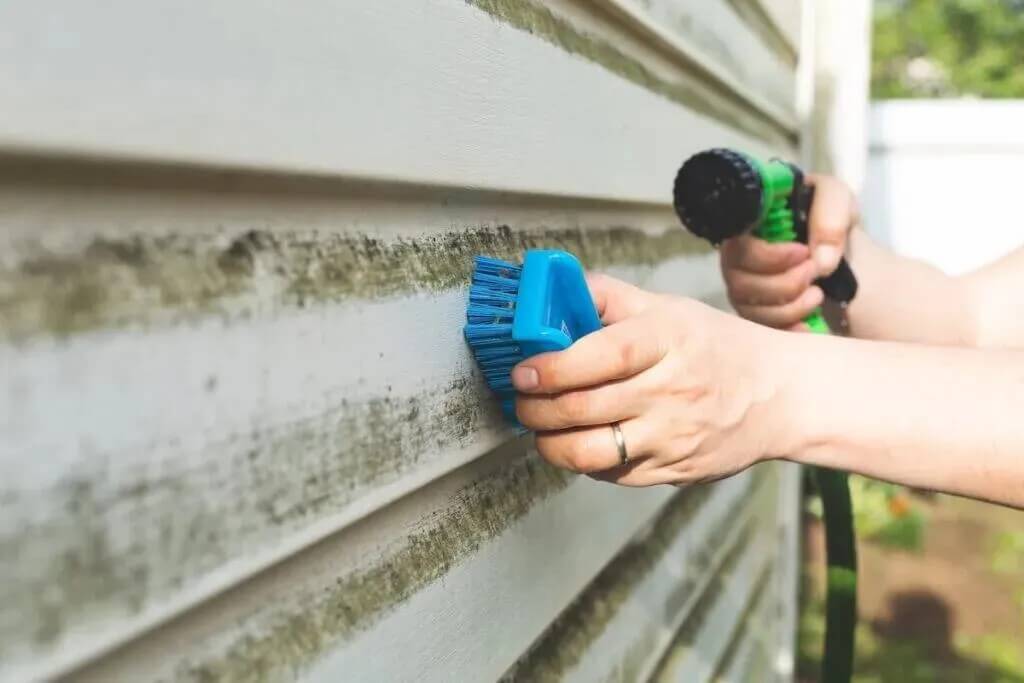
Start by wetting down your siding with plain water from the bottom up to prevent ugly streak marks. Dip your soft brush into the soapy mix and gently scrub the affected areas. Let the soap sit for about 10 minutes to loosen the algae’s grip, but do not let it dry completely on the wall. Finally, rinse the entire section thoroughly with clean water, working your way from the top down to wash away all the grime.

soft washing an algae build up on house siding

Why Is High-Pressure Power Washing Risky for Exterior Walls?

When homeowners see thick, stubborn black mold, their first instinct is often to rent a commercial pressure washer and blast it on the highest setting. While this seems like a fast fix, it can actually cause serious, hidden damage to your property.

The intense force of high-pressure water can easily crack aged vinyl panels, chip away delicate exterior stucco, or strip the paint right off wood siding. Even worse, blasting water at a straight or upward angle forces moisture deep behind the siding panels. According to building science resources, trapping water inside wall cavities creates a high-moisture zone that can trigger hidden wood rot and dangerous indoor mold growth. Once water gets trapped back there, it has a very hard time drying out on its own.

What Is the Safest Alternative to Clean Tough Stains?

The safest and most effective professional method for eliminating heavy biological growth is soft washing. Instead of relying on raw, destructive water pressure, this technique uses eco-friendly, specialized siding cleaning solutions applied at low pressure, similar to the force of a strong garden hose.

The cleaning solution does all the heavy lifting by killing the algae and mold spores at their absolute roots. This ensures that the growth does not just come right back a few weeks later. Once the solution safely breaks down the biological bond, the entire wall is rinsed thoroughly with a gentle stream of water, keeping your exterior materials intact and safe from harm.

siding with algae build up

Ready to Bring Back Your Home's Beautiful, Clean Look?

Safely removing stubborn, thick exterior stains requires the right equipment, proper safety training, and the correct cleaning solutions. If you want to skip the weekend scrubbing and avoid the risk of damaging your walls, our professional team at Beacon Cleaning is here to step in. We use advanced soft-wash techniques to completely remove unsightly algae and mold, leaving your property looking brand new. Give Beacon Cleaning a call today at (321) 507-4851 to get your free estimate and book your hassle-free exterior cleaning.

Read more

How to Remove Algae and Mold on House Sidings Read More »
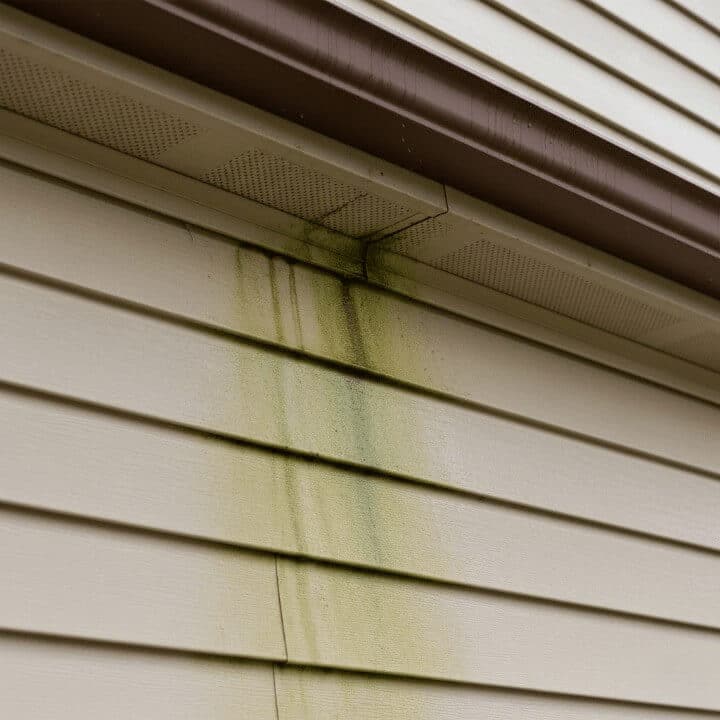
algae buildup on home siding

How Does Florida’s Humidity Cause Algae Buildup on Home Siding?

Every Florida homeowner knows that keeping a house looking fresh is a constant battle against nature. Our state is famous for beautiful sunshine, but it is also famous for sticky, heavy humidity. If you take a close look at the exterior of your home, you might notice strange green streaks or dark patches spreading across your siding. This is not just regular dirt from a windy day. It is a live biological buildup, and ignoring it can lead to some major headaches for your property.

What Exactly Is That Green Stuff on Your Siding?

That green or black coating spreading across your walls is usually a mix of algae, mold, and mildew. Because Florida experiences sustained high relative humidity and warm temperatures throughout most of the year, it creates a perfect breeding ground for these organisms. Studies show that when high moisture loads combine with moderate-to-warm temperatures over time, the risk of rapid biological growth on building envelopes skyrockets.

Algae thrives on moisture and sunlight, using the dust and organic matter on your walls as food. It typically starts on the north side of your house or under shady tree canopies where the morning dew takes the longest to dry. Once it gets a foothold, it spreads quickly across vinyl, stucco, and wood.

What Causes That Green Layer to Grow On Your Walls?

The colorful coating on your home is actually an accumulation of green algae, cyanobacteria, and mold spores. These tiny organisms are naturally present in the air, and they constantly look for a comfortable place to settle down and multiply.

Our local environment provides the absolute perfect breeding ground for these microscopic invaders. For biological organisms to grow rapidly on building materials, they require consistent warmth, plenty of shade, and high moisture levels. Scientific climate overviews focused on weathering track how atmospheric pollution and dust settle onto exterior walls, acting as a direct food source for traveling colonies of cyanobacteria like Gloeocapsa. Because Florida gets an incredible amount of rain alongside daily morning humidity, the north-facing and heavily shaded sides of your house rarely dry out completely, allowing the algae to thrive.

guy soft washing a house siding

How Can a Biological Film Damage Your Physical Siding?

While a little green tint might just look unappealing at first, letting it sit on your home can slowly ruin the materials underneath. Different types of siding react to organic growth in very different ways.


  • Vinyl Siding: Vinyl is tough, but the algae film acts like a sticky trap. It catches blowing dirt, tree sap, and pollen, turning your beautiful walls into a thick layer of grime. If left alone for years, the biological layer can permanently stain the vinyl panels.
  • Wood Siding: This is where the real danger happens. Algae traps moisture directly against the wooden boards. This constant wetness softens the wood fibers, leading to deep wood rot, warping, and expensive structural failures.
  • Stucco and Fiber Cement: These materials are naturally porous, meaning they have thousands of tiny microscopic pockets. Algae roots dig deep into these tiny holes, making the surface brittle and causing the paint to bubble or flake off early.

Why Does Keeping Your Walls Clean Protect Your Health?

Allowing organic matter to completely cover the outside of your house can eventually impact the comfort and safety inside your living spaces.

When algae colonies expand, they often team up with mold and mildew. As the wind blows against your exterior walls, millions of microscopic spores are released into the air right next to your windows, doors, and air conditioning intake vents. This airborne mixture can aggravate seasonal allergies and trigger asthma symptoms for your family. Furthermore, thick patches of damp algae create an inviting home for tiny pests, including moisture-loving bugs like termites and ants, which can easily find a small crack and migrate into your drywall.

half of house siding with algae buildup

Are You Ready to Restore Your Home’s Beautiful Look?

Getting rid of stubborn exterior buildup requires specialized care to avoid cracking your panels or blasting water deep behind your walls. Contact Beacon Cleaning today at (321) 507-4851 to schedule a professional, gentle soft-wash evaluation. Our experienced local team will safely clear away the grime, kill the underlying spores, and keep your Florida property looking spotless and beautiful for the long haul.

Read more

How Does Florida’s Humidity Cause Algae Buildup on Home Siding? Read More »

Scroll to Top