
How Can You Prevent Algae and Mildew on Driveways and Sidewalks

How Can You Prevent Algae and Mildew on Driveways and Sidewalks in Melbourne, FL?

In Melbourne, Florida, algae and mildew can appear quickly on driveways and sidewalks. Warm weather, high humidity, summer rain, and tree shade all create the perfect conditions for green and black buildup to spread. What starts as a small stain can soon turn into a slippery surface.

Melbourne’s climate makes this a common problem. According to the Florida Climate Center, Melbourne averages 55.28 inches of rain per year. The wettest months are June through September, and the National Weather Service says that East-Central Florida receives about 64 percent of its annual rainfall during the wet season. Melbourne also sees measurable rain on about 100 to 105 days each year.

That much moisture gives algae and mildew plenty of chances to grow. Regular pressure cleaning and simple prevention steps can help protect your concrete and keep walkways safer.

Why Do Algae and Mildew Grow So Fast in Melbourne?

Algae and mildew thrive in damp conditions. In Melbourne, that often means shaded driveways, sidewalks near grass, and spots where leaves collect after rain.

The U.S. Environmental Protection Agency says the key to mold control is moisture control. The EPA also recommends cleaning hard surfaces with detergent and water, then drying them thoroughly.

That advice matters outdoors too. If water sits on concrete and organic debris stays in place, algae and mildew can keep coming back. Homes near the coast may also experience higher humidity and salt air, which can leave surfaces dirtier for longer.

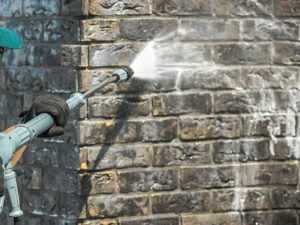
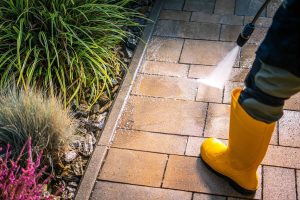
pressure washing algaae on a brick pavement

What Makes Driveways and Sidewalks More Likely to Turn Green?

Some surfaces get dirtier faster than others. In Melbourne, these conditions raise the risk:

  • Overhanging trees that block sunlight
  • Low spots where water collects
  • Sprinklers that hit concrete too often
  • Leaves, mulch, and pollen left on the surface
  • North-facing areas that stay cooler and wetter

If your driveway stays shaded for most of the day, it may never fully dry after a storm. That gives algae a strong place to spread. The CDC says mold should be removed when you see or smell it, and it notes that hard surfaces can be cleaned with soap and water or a bleach solution of no more than 1 cup of household bleach in 1 gallon of water. Never mix bleach with ammonia or other cleaners.

How Can Homeowners Stop Algae and Mildew Before They Spread?

The best plan is simple and steady maintenance. Weekly sweeping or blowing off leaves helps remove the organic matter that feeds growth. Trimming shrubs and tree limbs can also let in more sun and airflow.

You should also check drainage. If rainwater pools near the sidewalk or the base of the driveway, the area may need grading help or gutter adjustments. Since Melbourne gets so much rain, even a small drainage problem can keep concrete wet for days.

After cleaning, some homeowners choose to apply a penetrating concrete sealer. Research from Iowa State’s National Concrete Pavement Technology Center found that sealer treatments reduced concrete water absorption capacity, which can help limit how much moisture the surface takes in.

When Should You Call Beacon Cleaning for Help?

If your driveway or sidewalk already looks green, black, or slippery, it is a good time to schedule professional cleaning. Pressure washing or soft washing can remove built-up algae, mildew, dirt, and stains more thoroughly than a quick rinse with a hose.

Professional service is especially helpful before summer, during the rainy season, or when surfaces have not been cleaned in many months. Clean concrete looks better, feels safer to walk on, and is easier to maintain over time.

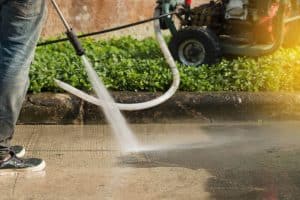
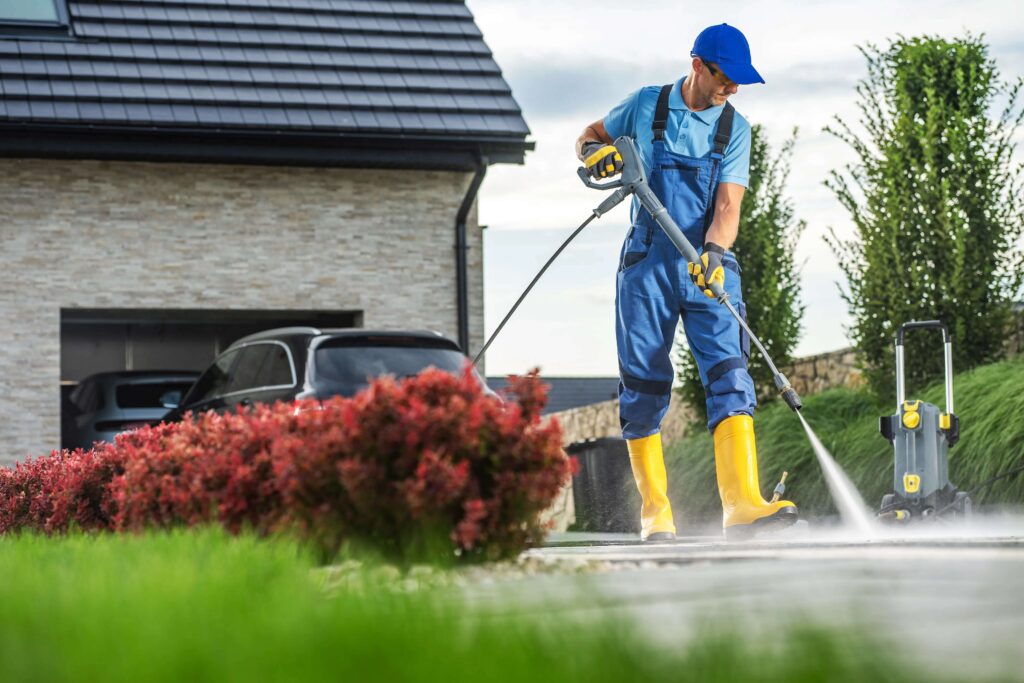
guy in over alls pressure cleaning a sidewalk

Are You Ready to Keep Your Melbourne Walkways Cleaner and Safer?

Preventing algae and mildew on driveways and sidewalks in Melbourne starts with moisture control, regular cleaning, and fast action when buildup appears. With the area’s heavy rain, long wet season, and high humidity, waiting too long can make stains worse and surfaces more slippery.

Beacon Cleaning helps homeowners in Melbourne and nearby areas keep exterior concrete surfaces clean and protected. Call (321) 507-4851 today to schedule service and keep your driveway and sidewalks looking their best.

Frequently Asked Questions

Algae can begin to form within a few weeks under warm, humid conditions, especially during the rainy season when surfaces remain damp for extended periods.

Most algae stains are not permanent. They can usually be removed with proper cleaning solutions or pressure washing if treated early.

Over time, algae and mildew can trap moisture against concrete. This moisture may weaken the surface and contribute to gradual deterioration.

Older or more porous concrete tends to absorb more moisture. This can make it easier for algae and mildew to grow compared to sealed surfaces.

Yes. Sprinklers that spray directly onto sidewalks or driveways can keep the surface wet, which encourages algae growth.

Read more

How Can You Prevent Algae and Mildew on Driveways and Sidewalks in Melbourne, FL? Read More »

How Does Regular Pressure Washing Protect Your Home From Florida’s Climate

How Does Regular Pressure Washing Protect Your Home From Florida’s Climate?

Florida is a great place to live, but the weather is hard on homes. Heat, humidity, rain, pollen, and salty air can all build up on your siding, roof, driveway, and patio. Over time, that grime does more than make your house look dirty. It can trap moisture, feed mold and algae, and wear down paint and surfaces.

Florida averages about 53.7 inches of rain per year, with most falling during the warmer months. In 2024, the statewide average reached 56.82 inches. That steady moisture gives mold, mildew, and algae the damp conditions they need to grow fast.

Why Does Florida’s Weather Make Exterior Cleaning So Important?

In many parts of Florida, the outside of your home stays damp for long periods. On the Space Coast, in Central Florida, and along both coasts, warm air and frequent rain keep surfaces wet and shaded areas dirty. The U.S. Environmental Protection Agency says the key to mold control is moisture control. The CDC also recommends keeping indoor humidity at 50% or lower, because moisture helps mold grow.

That same rule matters outside, too. When dirt, pollen, algae, and mildew sit on a home’s exterior, they hold moisture against the surface. This can lead to stains, fading, and early wear. Regular pressure washing helps remove that layer before it causes bigger problems.

What Problems Can Mold, Mildew, and Algae Cause?

Florida homes often deal with green or black buildup on siding, lanais, pool decks, fences, and driveways. Mold and algae are not just ugly. They can make surfaces slippery and harder to maintain. If left alone, organic growth can also break down paint and shorten the life of wood, shingles, and other exterior materials.

The CDC says mold should be cleaned up promptly, and wet areas should be dried quickly. After water intrusion, the CDC advises cleaning and drying wet items within 48 to 72 hours to help stop mold growth.

That matters in Florida, where summer storms can soak a home one day and leave behind heat and humidity the next. Pressure washing is a simple way to remove the buildup that keeps moisture from drying out on surfaces.

fence pressure washing

How Does Pressure Washing Help Homes Near Florida’s Coast?

If you live near the ocean in places like Melbourne, Cocoa Beach, Vero Beach, Palm Bay, Tampa Bay, Naples, or Jacksonville Beach, salt spray adds another layer of risk. FEMA notes that in coastal areas, buildings are exposed to higher moisture and humidity levels and salt spray, which can speed up corrosion of metal connectors and fasteners. FEMA also warns that salt spray can damage exterior materials in coastal construction.

Even if your home is not right on the beach, salty air can still travel inland. Regular exterior washing helps rinse off salt residue before it has a chance to sit too long on painted surfaces, metal fixtures, garage doors, and railings.

Can Regular Washing Help Protect Your Home’s Value?

Yes. A clean exterior helps your home look cared for and supports long-term upkeep. Removing grime before it causes stains or decay can reduce the need for early repainting, repairs, or replacement. Pressure washing also prepares surfaces before painting or sealing, which helps those treatments last longer.

Florida also faces the greatest storm risk of any state. NOAA records show that Florida has had 110 direct hurricane hits on the mainland from 1851 to 2004, including 35 major hurricane hits. That storm exposure, mixed with heat, rain, and salt air, is one more reason regular maintenance matters.

guy pressure washing a wooden deck

Are You Ready to Protect Your Florida Home?

Regular pressure washing is one of the easiest ways to protect your home from Florida’s harsh climate. It helps remove mold, mildew, algae, pollen, dirt, and salt before they cause bigger damage. If your siding, roofline, driveway, or patio is looking stained or slippery, now is a smart time to act.

Beacon Cleaning helps Florida homeowners keep their properties cleaner, safer, and better protected year-round. Call (321) 507-4851 today to schedule service and give your home the care it needs.

Frequently Asked Questions

Most Florida homes benefit from pressure washing once or twice per year. The humid climate and frequent rain allow mold, algae, and pollen to build up quickly, especially on shaded surfaces.

Pressure washing is safe when done correctly. Different materials require different pressure levels. For example, vinyl siding and concrete can handle higher pressure, while roofs and painted wood often require soft washing.

Professional pressure washing companies use cleaning methods designed to minimize environmental impact. Many cleaning solutions used today are biodegradable and safe when applied properly.

If too much pressure is used, it can remove or chip paint. Professional technicians adjust pressure levels and techniques to safely clean painted surfaces without causing damage.

Yes. Cleaning removes algae, oil stains, and dirt that can slowly weaken concrete and make it slippery.

Read more

How Does Regular Pressure Washing Protect Your Home From Florida’s Climate? Read More »

Exterior House Cleaning Schedule

How Often Should You Schedule Exterior House Cleaning in Titusville, Florida?

Living in North Brevard means sunshine, sea breeze, and afternoon storms. It also means your siding, roof, and driveway get dirty faster than in many other parts of the country.

Titusville gets around 55 to 57 inches of rain each year, which is more than the U.S. average. The average humidity is about 74 percent, so surfaces stay damp for a long time. That mix of heat, moisture, and rain is perfect for algae, mold, and mildew on your home’s exterior.

Because of this, most homes in Titusville do best with a full exterior cleaning at least once a year. Many need it every 6 to 9 months.

How Does Titusville’s Climate Change How Often You Should Clean?

Titusville sits along the Indian River Lagoon, across from Kennedy Space Center. Sea breezes bring in salty air, and our wet season runs from late spring through early fall with frequent thunderstorms.

Rain splashes dirt and organic material onto stucco and siding. High humidity keeps walls and roofs damp, which helps algae and mildew grow. The Florida Department of Health notes that mold can begin to grow when surfaces stay wet for as little as 24 hours.

Because of these local conditions, a good rule of thumb for Titusville homes is:

  • Full house wash (siding or stucco): Every 12 months, or every 6 to 9 months if your home is shaded or surrounded by trees.
  • Roof soft wash: Every 1 to 3 years to remove black streaks and prevent algae from eating into shingles.
  • Driveways and walkways: Every 6 to 12 months to clear slippery algae and mold.
  • Pool cages and screens: Every 6 to 12 months to remove salt, debris, and mildew.
  • Waterfront or river‑view homes: Every 3 to 6 months to deal with extra salt and moisture.
house soft washing

What Local Factors in Brevard County Affect Your Ideal Cleaning Schedule?

Even within the same neighborhood, two homes may need very different cleaning schedules. Around Brevard County, a few key things speed up grime and growth:

  • Shade and trees: Big oaks and palms keep walls damp. Pollen, leaves, and organic debris stick to stucco and screens.
  • Close landscaping: Shrubs planted right against the wall trap moisture. Keeping plants 2 to 3 feet away helps surfaces dry faster.
  • Gutters and heavy rain: Our strong storms can dump inches of rain in a short time. If gutters clog, dirty water overflows and leaves streaks on siding. Long term rainfall records for Titusville show more than 56 inches of rain per year, so clean gutters are important.
  • High traffic and driveways: Algae on damp concrete can become slick. Safety groups like the Canadian Centre for Occupational Health and Safety stress that good walking surfaces and housekeeping are key to preventing slip and fall accidents.

If you notice green film, black streaks, or slippery areas between scheduled exterior cleanings, it is a sign you may need service more often than once a year.

How Does Regular Exterior Cleaning Help Your Home’s Value and Curb Appeal?

Titusville is a “Gateway to Nature and Space,” and many buyers here care how a home looks from the street as they drive toward the river or the causeway. Clean siding and a bright driveway make a strong first impression.

Research from Virginia Cooperative Extension found that attractive landscaping and curb appeal can raise a home’s perceived value by up to 15 percent in the eyes of buyers. A bright, mold‑free exterior works together with your lawn and plants to create that curb appeal.

If you keep a steady cleaning schedule, you:

  • Protect paint, stucco, and roofing from long term damage
  • Reduce mold and algae that can bother people with allergies
  • Cut down on slip risk on driveways, sidewalks, and pool decks
  • Help your home show better if you decide to sell or refinance
guy soft washing under balcony

How can Beacon Cleaning help you?

Not sure if your home needs cleaning once a year or every 6 months. That is where Beacon Cleaning comes in. We know the local climate, from salty breezes off the lagoon to summer downpours, and we shape a plan around your specific home.

When you call us, we look at:

  • How close you are to the river or wetlands
  • How much shade and tree cover your home has
  • What your roof, siding, driveway, and pool area are made of
  • Any HOA rules about appearance or mildew

Then we suggest a simple schedule, such as a spring full house wash plus a fall driveway and pool deck cleaning. Our soft washing methods are gentle on stucco and paint but tough on algae and mold.

Ready to set up the right exterior cleaning routine for your Titusville home Call Beacon Cleaning today at (321) 507-4851 to schedule your next service and keep your home looking fresh all year.

Frequently Asked Questions

Yes. In Titusville’s humid, rainy climate, once a year is the minimum most homes need.

Yes. Riverfront and lagoon‑side homes usually need cleaning every 3 to 6 months because of extra moisture and salt.

You can, but it is better to clean on a schedule before mold and algae build up.

It is risky. High pressure can damage stucco, crack paint, and force water behind walls.

Soft washing with low pressure and the right solutions is the safest way to clean most roofs.

Read more

How Often Should You Schedule Exterior House Cleaning in Titusville, Florida? Read More »

Signs Your Home’s Exterior Needs Cleaning

Signs Your Home’s Exterior Needs Cleaning This Spring in West Melbourne, FL

Here on the Space Coast, spring is not just about warm days and beach trips. It is also the time when your home’s exterior takes a beating from humidity, rain, and heavy pollen. In nearby Brevard County, average spring highs climb from the mid 70s to mid 80s, and the air stays humid around 70 percent or higher. That warm, moist air is perfect for algae, mold, and mildew.

If you live in central Florida, you also know how oak and other trees rain down yellow dust from about February through May. The University of Florida IFAS Extension notes that oak pollen is one of the biggest spring allergy triggers in the state and peaks during these months. All that pollen sticks to your siding, roof, and screens.

So how do you know it is time for a spring wash in West Melbourne.

Why Does Spring in West Melbourne Make Exterior Cleaning So Important?

In spring, our weather shifts fast. We get more cloudy, rainy days along with warm sunshine. When surfaces stay damp, tiny spores in the air land on your home and start to grow.

The U.S. Environmental Protection Agency explains that mold grows wherever moisture and organic material are present and can cause health problems for sensitive people. On the outside of your home, that means siding, trim, soffits, stucco, and even brick can host mold and mildew if they stay wet.

Because West Melbourne is close to the ocean, salty air and sea breezes can also push extra moisture against your walls, roof, and pool cage. If you wait until summer, the strong sun can bake stains into the surface and make them harder to remove. A soft wash in early spring clears growth and buildup before that happens.

What Do Green or Black Streaks on Your Siding and Roof Mean?

If you see green film or black streaks on the north side of your house, in shaded areas, or along the roof line, that is usually algae or mold. On asphalt shingles, those dark roof streaks are often algae that hold moisture against the shingle surface. Over time, this can shorten the life of your roof covering.

Mold and algae do not just look bad. Health agencies like the Centers for Disease Control and Prevention warn that mold can trigger allergies and breathing problems in some people. If you or your family already deal with asthma or seasonal allergies, cleaning these growths off your exterior can help reduce one more source of irritation.

Pay close attention to:

  • Shady sides of your home that never fully dry
  • Areas around gutters and downspouts
  • North facing walls and behind landscaping

If you see dark streaks that do not rinse off with a normal rain, it is a clear sign your exterior needs a soft wash.

worker cleaning modern building dark wall using pressure wash

How Do Pollen, Dust, and “Tiger Stripes” Tell You It Is Time to Wash

During a typical Florida spring, tree pollen coats cars, patios, and siding in a yellow or green film. Researchers note that tree pollen is a major part of the spring allergy season across the United States, especially from oak and cypress species that are common in our region.

On your home, that looks like:

  • A dusty, gritty layer on walls, windows, and screens
  • Pollen stuck to your pool cage, patio furniture, and front door
  • Screens that look “foggy” even after a dry day

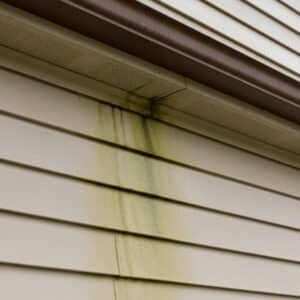
You might also notice “tiger stripes” on your gutters. These are dark, vertical streaks that appear when dirty water runs over the gutter edge again and again. They are more than a cosmetic problem. Staining often shows that organic material is clinging to the surface, which can speed up wear on paint and metal.

If your vinyl siding leaves a chalky, white residue on your hand when you rub it, that is oxidation. Humid coastal air speeds this up. Cleaning and rinsing the surface the right way helps slow the process and keeps your siding looking brighter.

Are Clogged Gutters, Slippery Surfaces, and Storm Debris Putting Your Home at Risk

After winter cold fronts and early spring storms, it is common for gutters in West Melbourne neighborhoods to be full of oak leaves, seed pods, and roof grit. When gutters clog, water can overflow next to your foundation and seep into soffits or fascia boards. Over time, trapped moisture raises the risk of wood rot and mold.

Around pools and patios, algae and dirt can make concrete and pavers slick. The Centers for Disease Control and Prevention notes in its Model Aquatic Health Code that facilities must watch for algae growth and keep walking surfaces slip resistant to reduce fall risk. If your pool deck or front walk feels slimy when it is wet, it is time for a thorough, gentle cleaning.

Coastal storms can also leave behind a fine salt film on windows, railings, and screens. If it sits too long, salt can speed up corrosion on metal fixtures and weaken paint. Spring cleaning removes that layer before the summer sun bakes it on.

beacon cleaning exterior cleaning services

How Can Beacon Cleaning Help You Get Your West Melbourne Home Ready for Spring?

Strong curb appeal does more than make you proud when you pull into the driveway. Studies of curb appeal and home prices suggest that a clean, well kept exterior can account for around 7 percent of a home’s sale price, and in some cases improvements to appearance and landscaping can raise value by even more.

If you see any of these signs on your home this spring, it is a smart time to schedule a soft wash:

  • Green or black streaks on siding, stucco, or roofing
  • Yellow pollen dust that will not rinse away
  • “Tiger striped” gutters or chalky siding
  • Slippery pool decks, patios, or walkways
  • Debris left behind after winter fronts or coastal storms

Beacon Cleaning specializes in soft washing homes in West Melbourne and the surrounding Space Coast. Our gentle methods lift algae, mold, pollen, and dirt without harming paint, stucco, or landscaping.

Ready to refresh your home for the new season Call Beacon Cleaning today at (321) 507-4851 to schedule your spring exterior cleaning and protect your home’s beauty and value.

Frequently Asked Questions

Most homes in West Melbourne should be cleaned once a year. Homes near water, shade, or heavy trees often need cleaning twice a year.

Soft washing uses low pressure and cleaning solutions to gently remove dirt, algae, and mold. It cleans without damaging paint, stucco, or siding.

Pressure washing uses high pressure to blast away dirt. Soft washing uses low pressure and soaps, which is safer for roofs, siding, and delicate surfaces.

Most average sized homes take between two and four hours, depending on size and how dirty the surfaces are.

No. As long as we have access to water and the areas we are cleaning, you do not have to be home.

Read more

Signs Your Home’s Exterior Needs Cleaning This Spring in West Melbourne, FL Read More »

Pressure Cleaning Walkways Reduce Slip‑and‑Fall Liability

Why Does Pressure Cleaning Walkways Reduce Slip and Fall Liability in Florida?

Pressure cleaning walkways in Florida is more than just making your property look nice, it directly reduces the chance of slip‑and‑fall accidents and lowers your legal risk. In Florida’s warm and humid climate, surfaces like sidewalks, entryways, and patios can quickly become slick with algae, mold, oil, and debris. Regular pressure washing gets rid of these hazards and shows that you’re caring for your property responsibly. When it comes to safety and legal duty, clean walkways make a big difference.

What Makes Florida Walkways Risky for Slip‑and‑Fall Accidents?

Florida’s weather plays a major role in creating slip hazards. The state’s high humidity and frequent rainstorms make outdoor surfaces wet for long periods of time. That moisture also encourages the growth of algae and mold, which can quickly turn a sidewalk into a slippery surface. Even after rain stops, water can collect in low spots and remain hazardous. Property owners are expected to manage these conditions to prevent accidents.

Without proper care, walkways can also accumulate oil, grease, and general debris from foot traffic and nearby parking areas. These substances reduce traction and make it easier for someone to slip and fall. A clean surface with good traction helps keep visitors safe.

Why Is Pressure Cleaning Effective at Removing Hazards?

Pressure cleaning uses high‑speed water jets to remove buildup that ordinary sweeping can’t handle. This includes:

  • Organic buildup like algae, moss, and mildew that thrive in Florida’s wet conditions
  • Oil and grease from vehicles and foot traffic
  • Dirt, leaves, and debris that can hide uneven surfaces

By removing these substances, pressure cleaning restores traction meaning shoes can grip the surface better. Good traction is key to reducing slip hazards, especially when surfaces are wet. According to cleaning experts, pressure washing significantly reduces the risk of slip and fall incidents by eliminating slippery residues and restoring safe surface conditions.

guy in blue overalls pressure washing a driveway

How Does Pressure Washing Protect Property Owners Under Florida Law?

Florida’s rules on premises liability require property owners to keep their property reasonably safe for visitors. This includes removing hazards they know about or should have known about. Florida courts apply something called constructive knowledge meaning that if a dangerous condition is present long enough that a reasonable property owner should have noticed it, the owner can be held responsible if someone gets hurt.

Pressure cleaning helps you take action before a hazard becomes visible or dangerous. Regular maintenance and cleaning records also serve as evidence that you took proactive steps to maintain safety which can be crucial if someone tries to claim negligence.

What Are Common Injuries from Slip‑and‑Fall Accidents in Florida?

Slip‑and‑fall accidents can lead to a wide range of injuries, from minor bruises to serious, long‑term conditions such as:

  • Broken bones or fractures
  • Sprains and strains
  • Head injuries and concussions
  • Back and spinal injuries

These injuries can result in expensive medical costs, lost wages, and legal claims even when falls happen outside your business. Ensuring walkways are clean and safe helps reduce the chance of any of these scenarios.

How Does Regular Cleaning Show Due Diligence?

Pressure cleaning should be part of a consistent maintenance plan that includes inspections and cleaning schedules. When you pressure wash walkways regularly, you’re:

  • Eliminating risky substances before they become hazards
  • Documenting that you maintain property safety
  • Reducing the chance someone can successfully claim you were negligent

Records of cleaning dates and photos of clean walkways make it easier to defend against claims that you “should have known” about a danger. This level of care shows you’re taking reasonable steps to protect visitors and customers.

pressure cleaning mold stains

How Can Beacon Cleaning Help Make Your Walkways Safer?

Pressure cleaning isn’t just about looks, it’s an investment in safety and legal protection. Beacon Cleaning provides professional pressure washing services designed to keep your walkways free of slippery hazards and help you meet your responsibility as a property owner in Florida.

Whether you manage a retail center, office building, hotel, or restaurant, our team knows how to clean walkways, entryways, and high‑traffic surfaces effectively and safely.

Ready to Reduce Slip‑and‑Fall Risks at Your Property?

Don’t wait until someone slips on a slick surface! Call Beacon Cleaning at (321) 507‑4851 today to schedule professional pressure cleaning for your property. Let us help you protect your business, your visitors, and your peace of mind.

Frequently Asked Questions

Florida’s humidity and rain create the perfect environment for algae, mildew, and moss, which make walkways slick and unsafe.

It removes slippery substances like algae, mold, oil, and grease, restoring the surface’s natural grip.

Yes. Under Florida premises liability law, property owners must keep walkways reasonably safe and free of known hazards.

Yes. A history of regular cleanings shows due diligence and helps prove you’re maintaining a safe environment.

Read more

Why Does Pressure Cleaning Walkways Reduce Slip and Fall Liability in Florida? Read More »

Why Is January One of the Best Months for Commercial Pressure Washing

Why Is January One of the Best Months for Commercial Pressure Washing in Melbourne, FL?

January in Melbourne, Florida is one of the best months of the year for commercial pressure washing. The weather is mild, the rainy season is slowing down, and businesses can prepare for spring and summer growth. If you want your building to look great and stay healthy, January is a smart time to book professional pressure washing with Beacon Cleaning.

What Is Melbourne’s January Weather Like and Why Does It Matter?

In Melbourne, January is the coolest month of the year, with average high temperatures around 71°F and lows near 58°F. This mild weather means pressure washing crews don’t have to deal with extreme heat or cold that could slow down or even stop work. Florida doesn’t get freezing winter temperatures like many northern states, so outdoor cleaning projects can happen year‑round.

January also tends to be drier compared with Florida’s rainy summer months. While there is some rain, the likelihood of wet weather is lower than in the wet season from June to October.

Lower rain totals are important because pressure washing needs dry conditions. Less rain means fewer schedule changes and better results for cleaning surfaces like concrete, brick, and siding.

Why Is Pressure Washing in January Great for Mold and Mildew Control?

Florida’s heat and humidity encourage mold, mildew, and algae growth all year long. Even during winter, warm temperatures and high humidity still allow these contaminants to form on outdoor surfaces.

Pressure washing removes mold and mildew before they can damage surfaces and make your property look dirty. Mold can wear down paint, brick, and wood, and it can make your building look old and unkempt. Cleaning in January gets rid of this buildup before spring pollen starts to stick to even more surfaces.

According to property maintenance experts, pressure washing is one of the best ways to remove mold, mildew, and algae in humid environments like Florida’s.

concrete paver pressure washing

How Does January Help Get Ahead of Spring Pollen Season?

Spring in Florida brings pollen, dust, and extra allergens that can cling to buildings and outdoor surfaces. If your property is still dirty from the fall and winter, pollen will stick even more and make everything look dull. Pressure washing in January removes existing grime so surfaces are clean before pollen arrives.

Getting this done early means your business will look fresh and welcoming when foot traffic increases in spring and summer. It also reduces allergens around doors, patios, and walkways, creating a healthier environment for customers and workers.

Why Do Businesses Find Better Availability in January?

Pressure washing and other cleaning services are busiest in spring and summer when homeowners and business owners all want their properties spruced up. That rush can make it hard to schedule work.

January, on the other hand, is a slower month for pressure washing services because fewer people think of cleaning in winter. That means businesses in Melbourne can book earlier, get better time slots, and often get the job done faster than they would later in the year.

What Other Local Factors Make January Ideal in Melbourne, FL?

Melbourne is located on Florida’s Space Coast near the Atlantic Ocean. Because of its coastal location, buildings quickly accumulate salt residue and airborne sea minerals. Salt can corrode metal surfaces and cause discoloration on brick and concrete. Cleaning in January removes this buildup before it becomes more deeply set.

Also, January’s lower average rainfall and reduced storm risk compared with summer storms help make cleaning easier.

guy pressure washing commercial driveway

What Are the Benefits for Your Business?

  • Better Curb Appeal: Clean exteriors make a strong first impression on customers.
  • Longer Lifespan for Surfaces: Removing corrosive buildup helps protect building materials.
  • Healthier Work Environment: Pressure washing reduces mold, mildew, and allergens that could affect employees and visitors.

Keeping your commercial property clean also tells customers that you care about quality and attention to detail. A well‑maintained storefront or walkway can help attract more business all year long.

Ready to Make Your Business Shine in January?

If you want Melbourne, FL’s perfect winter weather on your side, now is the time to book your commercial pressure washing. Call Beacon Cleaning at (321) 507‑4851 to schedule your pressure washing service this January. Let us help your business look its best before spring arrives!

Frequently Asked Questions

Yes. Being near the coast, salt in the air can corrode metal, discolor siding, and damage concrete. Regular pressure washing helps prevent this.

Restaurants, retail stores, office buildings, medical clinics, hotels, and shopping centers any business with outdoor surfaces exposed to the elements.

Yes. Professional-grade pressure washing can remove graffiti, gum, oil stains, rust, and more from surfaces like concrete and brick.

Yes, if done correctly. We adjust pressure settings to avoid damaging paint or coatings while still removing dirt and buildup.

We use eco-friendly, biodegradable cleaners when needed, ensuring safety for the environment, your staff, and customers.

Read more

Why Is January One of the Best Months for Commercial Pressure Washing in Melbourne, FL? Read More »

Bundling Roof Cleaning & Pressure Washing

Why Is Bundling Roof Cleaning & Pressure Washing in Florida Winter a Smart Choice?

Florida winters are mild, comfortable, and much easier on your home than the hot summers or rainy seasons. That’s why winter is one of the best times to take care of outdoor cleaning jobs like roof cleaning and pressure washing. Instead of waiting until spring when everyone else is scrambling to book appointments you can get ahead by bundling both services now. Bundling means having your roof cleaned and your home exterior pressure washed at the same time, which saves money, time, and stress. Even better, it helps protect your home from long-term damage, improves energy efficiency, and boosts your curb appeal. If you want your home to look great and stay strong all year long, winter is the perfect season to get this done.

How Does Winter Roof Cleaning Prevent Damage in Florida?

Even though Florida winters aren’t freezing, the cooler weather can still trap moisture in places like your roof. When algae, moss, and mold are already growing, this moisture gives them an even better environment to spread. These growths might seem small at first, but they can trap water against your roofing materials. Over time, this leads to rot, stains, weakened shingles, or even leaks.

Cleaning your roof in winter removes these harmful growths before they become serious problems. It also stops moisture-related damage that could grow worse when temperatures drop. Think of it like visiting the doctor for a check-up before you start feeling sick. Taking care of small problems now helps prevent bigger, more expensive issues later. With a clean roof, your home stays in better shape and ready for spring storms and summer heat.

How Does Bundling Roof Cleaning Improve Your Home’s Energy Efficiency?

A clean roof isn’t just pretty, it’s practical. When your roof is covered in dirt, algae, or dark streaks, it absorbs more heat. That means your home warms up faster, forcing your HVAC system to work harder to keep things cool. In Florida, where AC units already work overtime, this can raise your energy bills.

But a clean, reflective roof absorbs much less heat. By removing grime and growths, you help your home stay cooler naturally. When you bundle roof cleaning with pressure washing your home’s exterior, you improve airflow around your walls and remove buildup that can also trap heat. Together, these services give your whole home a cleaner, cooler surface that supports energy efficiency all year long. That means lower energy bills and a more comfortable home.

How Does a Clean Exterior Improve Your Home’s Curb Appeal?

Your roof takes up a large part of your home’s outward appearance. When it looks dark, streaky, or dirty, your entire home looks older and less cared for. The same goes for the exterior walls, driveway, sidewalk, patio, and pool deck.

Pressure washing washes away dirt, mildew, stains, and grime that collect over time. This instantly brightens your property and makes everything look fresh and well-maintained. When combined with a clean roof, the difference is dramatic. Your home can look newer, brighter, and more inviting, something that matters whether you plan to sell your home or simply take pride in how it looks. Clean surfaces also help increase property value, since buyers and guests notice the care you’ve invested.

guy in blue washing sidings

Does Cleaning Your Roof in Winter Help It Last Longer?

Yes. One of the biggest long-term benefits of roof cleaning is extending your roof’s lifespan. Algae and moss don’t just look bad, they slowly break down roofing materials. Moss, for example, has tiny roots that can lift shingles and let water seep underneath. Algae feeds on the limestone in shingles, weakening them over time.

By removing these growths early, you protect the structure of your roof and help it last years longer. Since a roof replacement is one of the most expensive home repairs, this simple winter maintenance can save you thousands of dollars in the long run. Winter is the ideal time to do it because the weather is mild, and there’s less risk of heat-related damage to cleaning equipment or surfaces.

Why Is Winter the Most Convenient Time to Bundle Services?

Florida winters are dry, mild, and perfect for outdoor maintenance. Surfaces dry faster, and cleaning equipment performs best in steady, moderate temperatures.

What Makes Winter a Smart Time for Pressure Washing?

In summer, intense heat can cause solutions to evaporate too quickly. In spring, rainstorms interrupt cleaning projects. Winter offers the perfect conditions between these seasons.

Cleaning now also prepares your home for:

  • Spring pollen
  • Summer humidity
  • Hurricane season

Bundling services saves time, reduces hassle, and ensures your home stays in great shape year-round.

concrete paver pressure washing

Ready to Refresh Your Home This Winter? Contact Beacon Cleaning!

Beacon Cleaning is here to help you protect your home with expert roof cleaning and pressure washing. Our team uses safe, professional techniques designed for Florida homes and weather. We make the process simple, effective, and affordable especially when you bundle services. Winter is the best time to prepare your home for the busy seasons ahead, and we’re ready to give your property the fresh start it deserves. If you want a cleaner, brighter, healthier home, we’re the team to trust. Contact Beacon Cleaning today to schedule your winter cleaning bundle!

Frequently Asked Questions

Professional soft washing that follows manufacturer guidelines will not void warranties.

Yes. Pressure washing eliminates mold, mildew, and algae that build up on siding.

Most homes stay clean for 9–18 months depending on shade and weather.

Shingle, tile, metal, and flat roofs can all be cleaned using appropriate methods.

Absolutely. A clean driveway ties together your home’s entire exterior appearance.

Read more

Why Is Bundling Roof Cleaning & Pressure Washing in Florida Winter a Smart Choice? Read More »

Why Homes Near the Florida Coast Need Pressure Washing

Why Homes Near the Florida Coast Need More Frequent Pressure Washing

Living near the Florida coast comes with incredible perks—beautiful views, warm breezes, and easy access to the beach. But coastal living also brings challenges for homeowners, especially when it comes to keeping the outside of your home clean. If you’ve ever noticed your siding turning green, your driveway looking darker, or your outdoor surfaces becoming slippery, you’re not alone.

How Does Florida’s Humidity Lead to More Biological Growth?

Florida is known for high humidity, warm temperatures, and frequent rain—exactly the kind of weather that mold, mildew, and algae love. Homes near the coast face these conditions more intensely, which means organic growth builds up faster.

What Types of Growth Build Up on Coastal Homes?

You might see:

  • Green algae on siding
  • Black mildew on walls
  • Mold patches on concrete
  • Moss on pavers or walkways

These aren’t just ugly stains. Over time, they can break down or weaken surfaces, especially if they stay wet for long periods.

Why Does Growth Spread Faster Near the Coast?

Moisture hangs in the air longer near the ocean. Combine that with warm temperatures, and you get the perfect environment for growth to multiply. Pressure washing helps remove these contaminants before they cause permanent damage.

Why Is Salt Spray a Problem for Coastal Homes?

If you live close to the ocean, salt from the sea travels through the air and lands on your home. This salty film settles on siding, windows, gutters, railings, and even outdoor furniture.

What Does Salt Do to Your Home?

Salt may look harmless, but it causes big problems:

  • Speeds up rust on metal
  • Breaks down paint and coatings
  • Causes fading and discoloration
  • Damages fasteners, nails, and hinges

Regular pressure washing removes this salt buildup, which helps prevent corrosion and keeps your home looking fresh.

How Often Should Salt Be Washed Off?

Because salt collects quickly, coastal homes often need washing every 6–12 months to stay protected.

guy in red washing siding on two storey house

How Does Sand Build Up on Coastal Homes?

The beach isn’t the only place where sand collects. Coastal winds carry tiny grains of sand and deposit them onto homes, driveways, roofs, and walkways.

What Problems Does Sand Cause?

Sand may be small, but it creates big issues:

  • Scratches surfaces
  • Wears down paint
  • Traps moisture
  • Encourages mildew and algae growth

When sand mixes with moisture, it creates an abrasive layer that can slowly damage your home’s exterior. Pressure washing removes this sand and helps protect your surfaces.

How Does Pressure Washing Improve Safety Around the Home?

Coastal Florida homes often deal with slippery surfaces because of algae, mold, and constant wetness. This is especially true on:

  • Driveways
  • Sidewalks
  • Pool decks
  • Patios
  • Pavers

Why Are Slippery Surfaces Dangerous?

Algae and moss create slick, slimy patches that can lead to slips and falls. This can be especially risky for older adults, kids, and anyone walking near a pool or wet driveway.

How Does Pressure Washing Reduce These Hazards?

Pressure washing removes the buildup and restores traction, making outdoor areas safer for you and your family.

Can Pressure Washing Help Prevent Expensive Repairs?

Yes! One of the biggest benefits of regular pressure washing is preventing small problems from growing into major issues.

How Does Cleaning Protect Your Home?

Pressure washing:

  • Removes harmful organic growth before it eats away at materials
  • Prevents salt and sand from wearing down surfaces
  • Helps reveal early signs of damage
  • Extends the life of siding, roofs, and concrete
  • Protects paint and finishes from breaking down

By removing destructive buildup, you help your home last longer and maintain its value.

guy pressure washing concrete stairs

Why Do Coastal Florida Homes Need Cleaning More Often Than Inland Homes?

Homes farther from the ocean face less salt, less sand, and lower humidity. But coastal homes deal with all three every day. That’s why experts recommend pressure washing coastal homes every 6–12 months, depending on how close they are to the shoreline.

What Happens If You Skip Regular Cleaning?

Skipping regular pressure washing can lead to:

  • Stained siding
  • Faster roof wear
  • Rusted fixtures
  • Slippery walkways
  • More expensive repairs later

Keeping up with maintenance is the best way to protect your biggest investment—your home.

Keep Your Coastal Home Clean and Protected Contact Beacon Cleaning

Beacon Cleaning specializes in helping Florida homeowners protect their homes from coastal wear and tear. Our team knows exactly how to handle salt, sand, and biological growth safely and effectively. We use expert cleaning methods designed for Florida’s climate and coastal environments. Your home’s exterior will look cleaner, last longer, and stay safer all year long. If your home needs a fresh start, our friendly team is ready to help. Contact Beacon Cleaning today to schedule your next pressure washing service.

Frequently Asked Questions

Yes, removing mold, mildew, and debris reduces the conditions pests like ants and spiders love.

Yes, roofs near the ocean collect more salt, moisture, and algae growth.

Regular cleaning removes salt and mildew that cause paint to break down faster.

Yes, stucco absorbs moisture, making it more vulnerable to algae and mildew growth.

Yes, pressure washing can help treat oxidation, especially on painted or metal surfaces.

Read more

Why Homes Near the Florida Coast Need More Frequent Pressure Washing Read More »
Soft Wash vs. Pressure Wash

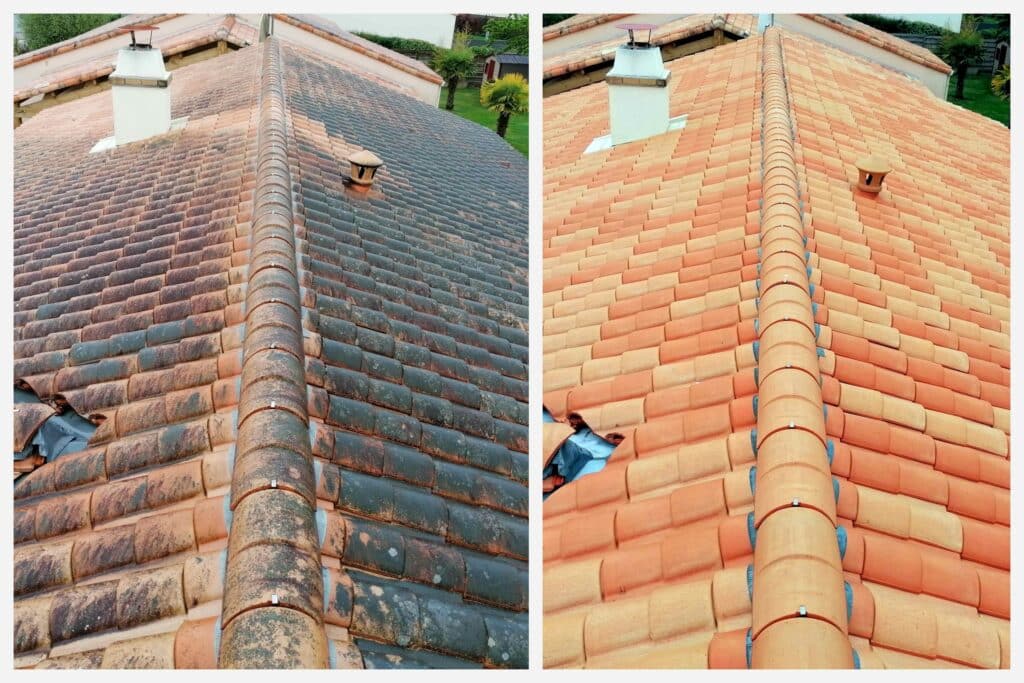
Soft Wash vs. Pressure Wash: What Works Best for Florida Roof Types?

Florida is known for its warm weather, sunshine, and beautiful beaches but it’s also known for heat, humidity, and algae growth. These conditions affect our homes, especially the roof. If you live in Florida, you’ve probably seen the dark streaks, mold patches, and green moss that seem to appear out of nowhere. When it’s time to clean your roof, you might wonder: Should you choose soft washing or pressure washing?

The answer depends on your roof type, but for most Florida roofs, soft washing is the safest and most effective option.

What Is Soft Washing and Why Is It Popular in Florida?

Soft washing is a cleaning method that uses low water pressure along with special cleaning solutions to remove dirt, algae, mold, and moss. Instead of blasting the roof with force, soft washing gently lifts and kills organic growth at the root.

Why Is Soft Washing Perfect for Florida’s Humid Weather?

Florida stays warm and humid most of the year, which helps algae and mold grow faster. The cleaning solutions used in soft washing are designed to kill this growth completely, not just wash it away. This means the results last longer, and your roof stays clean for more time.

Which Roofs Benefit the Most from Soft Washing?

Soft washing is ideal for:

  • Asphalt shingles
  • Clay or concrete tiles
  • Metal roofs
  • Most modern roofing materials used in Florida

Because soft washing is gentle, it helps protect delicate surfaces. It doesn’t remove the protective granules from shingles, crack tiles, or damage coatings on metal roofs.

What Are the Benefits of Soft Washing?

Soft washing offers many advantages:

  • Safer for materials: It prevents loss of granules, cracks, or moisture getting under the roof surface.
  • Kills algae at the root: This helps stop the growth from returning quickly.
  • Longer-lasting results: Keeps your roof clean for months longer than pressure washing.
  • Better for warranties: Roof manufacturers often recommend soft washing to avoid voiding warranties.

Overall, soft washing keeps your roof healthier and cleaner without risking damage.

What Is Pressure Washing and When Is It Used?

Pressure washing uses high-pressure water spray to forcefully remove dirt, stains, and buildup. This method works well on tough surfaces, but it is not recommended for most Florida roofs.

Why Can Pressure Washing Be Risky for Roofs?

High pressure can easily damage roofing materials. It may:

  • Knock off granules from asphalt shingles
  • Crack clay or concrete tiles
  • Peel coatings from metal roofs
  • Force water underneath shingles or tiles
  • Void your roof warranty

Pressure washing may remove surface dirt, but it often does not kill algae spores, which means the stains come back faster.

When Is Pressure Washing Useful?

Pressure washing has its place, but only in limited situations:

  • Very tough, durable surfaces like concrete
  • Older metal roofs that can handle force
  • As a high-pressure rinse after a soft wash has already killed the algae

Even then, pressure washing should only be done by trained professionals who understand the risks.

algae shingle roof

Which Cleaning Method Should You Choose for Your Florida Roof?

Every roof is different, but Florida’s climate gives us some clear answers.

What Works Best for Asphalt Shingles?

Soft washing is the best and safest method. Pressure washing can destroy shingles, remove protective granules, and cause leaks.

What Works Best for Clay and Concrete Tile Roofs?

Soft washing is recommended. Tiles can crack under high pressure, and water can get underneath them. Soft washing cleans the tiles without damage.

What Works Best for Metal Roofs?

Soft washing is usually the better choice for metal roofs in Florida. It removes organic growth without destroying the coating that protects the metal. Pressure washing may be used in rare cases, but only with extremely careful technique.

Which Method Gives the Longest-Lasting Results?

Soft washing wins again. Because it kills algae at the root, the results last longer which is especially helpful in Florida’s warm, humid environment where growth happens fast.

Is There a Combined Method?

Yes! Some professionals use a hybrid approach:

  • First, soft wash the roof with a cleaning solution
  • Then, rinse it with low pressure

This method delivers strong cleaning power without the damage that comes from traditional pressure washing.

roof clean

Why Does Choosing the Right Cleaning Method Matter?

Your roof is one of the most important parts of your home. Cleaning it the wrong way can lead to:

  • Early roof replacement
  • Leaks and water damage
  • Voided warranties
  • Expensive repairs

By choosing the right cleaning method, usually soft washing you protect your investment and keep your home looking great.

Ready to Clean Your Florida Roof? Contact Beacon Cleaning Today!

Beacon Cleaning provides safe, professional soft washing services designed for Florida homes. Our team understands how to treat every roof type with the right method and care. We use eco-friendly solutions that clean deeply without causing damage. With our experience in Florida’s climate, we know how to make your roof look its best and stay clean longer. Reach out to Beacon Cleaning to schedule your roof cleaning service. We’re here to help you protect your home with confidence.

Frequently Asked Questions

Yes, soft washing is ideal for older roofs because it reduces the risk of damage.

Yes, soft washing removes stains and kills growth that causes dark streaks.

Most soft wash solutions are biodegradable, and professionals protect landscaping during cleaning.

Yes, removing dark algae streaks helps the roof reflect more sunlight, improving efficiency.

Most roofs are fully cleaned in 1–3 hours.

Read more

Soft Wash vs. Pressure Wash: What Works Best for Florida Roof Types? Read More »

Comparison Roof cleaning moss and lichen before and after cleaning

Do Florida Roofs Still Need Cleaning During the Winter Months?

If you live in Florida, you already know our weather is different from most of the country. While other states deal with snow and freezing temperatures, Florida winters are much milder. Because of this, many homeowners wonder: Do Florida roofs still need cleaning during the winter months? The answer is yes and winter is actually one of the best times to do it.

Keeping your roof clean isn’t just about looks. It helps prevent expensive damage, keeps your home safe, and prepares your roof for spring storms. Here’s why winter roof cleaning in Florida is important and how to do it the right way.

Why Is Roof Cleaning Still Important in Florida During Winter?

Even though Florida winters are mild, your roof can still collect dirt, leaves, algae, and other debris. These materials trap moisture, which can damage roof shingles, tiles, and even the structure of your home. If debris sits too long, it can shorten your roof’s lifespan and lead to leaks.

Winter may seem like a time when roof care isn’t needed, but Florida’s weather allows growth like algae and moss to continue year-round. That means regular cleaning is just as important in winter as any other season.

What Are the Benefits of Cleaning a Florida Roof in Winter?

Winter actually offers several advantages when it comes to roof cleaning.

Is Winter Weather Better for Cleaning?

Yes! Winter temperatures in Florida are milder and more comfortable. This makes cleaning easier and safer than doing it during hot summer months. Instead of working under extreme heat and strong sunlight, winter conditions help prevent overheating and dehydration.

Does Winter Make Roof Cleaning Safer?

Lower temperatures also increase safety for both homeowners and professionals. Roof surfaces are cooler, which reduces the risk of slips, burns, and heat-related accidents. For metal roofs especially, a cooler day or cloudy weather is ideal because metal can get very hot under direct sunlight. Cleaning under these safer conditions helps avoid accidents.

Can Winter Cleaning Prevent Damage?

Absolutely. Winter is the perfect time to remove:

  • Algae
  • Moss
  • Leaves and branches
  • Dirt buildup

These materials trap moisture and can cause shingles to lift. If they stay on your roof during the rainy spring season, they can lead to leaks or rot. Removing them early helps protect your home and keeps your roof strong going into the new year.

Is Winter a Good Time to Check for Roof Problems?

Yes, winter is one of the best times to inspect your roof. Because the weather is calmer, you can safely check for:

  • Loose shingles
  • Missing shingles
  • Cracked tiles
  • Soft spots
  • Rust on metal areas

Catching these problems early helps you avoid major repairs before Florida’s heavy spring rains and hurricane season.

roof cleaning

What Should You Look for When Cleaning Your Roof in Winter?

While cleaning your roof, you’ll want to pay attention to anything that might cause trouble later. Look for:

  • Dark streaks or green patches (signs of algae)
  • Leaves or branches stuck in valleys or corners
  • Worn or curled shingle edges
  • Clogged gutters
  • Areas where water might pool

Winter cleaning gives you a clear view of your roof’s condition and helps you prepare your home for changing weather.

How Should You Approach Roof Cleaning During Winter?

Cleaning a roof can be done by a homeowner, but many people choose professional help for safety and thorough results. No matter which option you choose, here are some smart steps to follow:

When Is the Best Time to Schedule Roof Cleaning?

Choose a mild, cloudy day to avoid harsh sunlight. Winter usually provides these comfortable conditions. Many homeowners prefer hiring professionals in winter because it’s cooler, safer, and more efficient.

Why Should You Clean Gutters During Roof Cleaning?

Your gutters help move rainwater away from your home. If they’re clogged during winter, water can back up and soak into your roof or walls. While cleaning your roof, always make time to clear:

  • Gutters
  • Downspouts
  • Roof edges

This helps keep water flowing properly when spring storms arrive.

Should You Inspect and Repair Your Roof After Cleaning?

Yes! After the roof is clean, look closely for damage. Winter is the perfect season to make small repairs before rainstorms or winds make the problem worse. Fixing things like loose shingles or small cracks now can save you from expensive repairs later.

before and after roof cleaning service comparison for house

Does Winter Roof Cleaning Help Prepare for Spring and Hurricane Season?

Definitely. Winter cleaning sets your roof up for success before the weather gets intense again. With a clean surface and repaired shingles, your roof can better handle:

  • Heavy rain
  • Windy conditions
  • Rising humidity
  • Storm debris

A strong, clean roof is one of the best ways to protect your home year-round.

Final Thoughts: Should Florida Roofs Be Cleaned in Winter?

Yes—Florida roofs do need cleaning during the winter months. Winter offers safer temperatures, easier working conditions, and the perfect chance to prepare your home for upcoming weather. By removing debris, checking for damage, and cleaning gutters, you help extend your roof’s lifespan and avoid costly repairs.

Ready to Protect Your Roof? Contact Beacon Cleaning Today!

Beacon Cleaning is here to help keep your home safe, clean, and well-maintained all year long. Our team provides friendly, professional service you can trust for your roof and exterior surfaces. We understand Florida homes and know exactly what they need during every season. With our expert cleaning and inspection services, your roof will stay in top shape. Reach out to Beacon Cleaning to schedule your winter roof cleaning. We’re ready to help you care for your home with confidence.

Frequently Asked Questions

High-pressure washing is usually not safe for roofs, but soft washing is recommended.

Growth may slow slightly but does not stop due to Florida’s warm, humid climate.

Yes, keeping the roof clean reduces long-term wear and prevents damage.

Some companies offer seasonal pricing, but it varies by location and service provider.

Yes, professional cleaners can treat and remove rust, but it may require special solutions.

Read more

Do Florida Roofs Still Need Cleaning During the Winter Months? Read More »

Scroll to Top