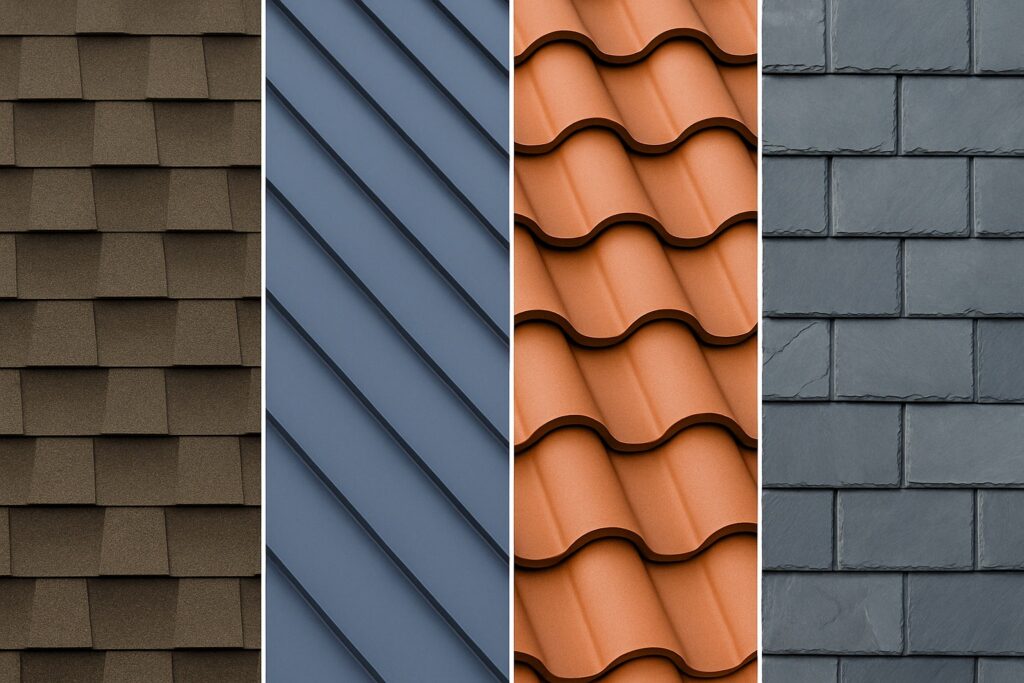
roof types metal, shingle, tile and and slate

Why Pressure Washing Is Dangerous for Shingles, Tile, and Metal Roofs

Living in Rockledge, FL, means enjoying warm sunshine, ocean breezes, and plenty of humidity. Unfortunately, that high humidity also creates the perfect breeding ground for algae, dark streaks, and grime on top of your home. When homeowners spot those ugly black stains from the driveway, it is tempting to rent a power washer or hire a quick blast service to blast the mess away.
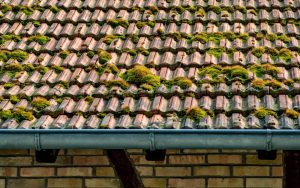
While pressure washing might seem like a fast fix, applying high-pressure water to your roof is one of the quickest ways to cause severe damage. Blasting your roof with intense water pressure can strip away essential coatings, force moisture beneath protective layers, and loosen critical components. Asphalt shingles, concrete tiles, and metal panels each have unique vulnerabilities, but none of them are built to withstand high pressure. Understanding these risks will help you protect your investment with a much safer, specialized approach to roof cleaning.

Why Is High-Pressure Roof Washing Risky?

Using high-pressure water on a roof creates serious problems, even when the only goal is removing surface stains. Roofs are designed to shed falling rain naturally, not to withstand hundreds or thousands of pounds of concentrated water force directed from close range.

Excessive water pressure easily dislodges surface materials and lifts individual roofing sections. This intense force can shoot water upward under flashing, vents, and overlapping joints, trapping moisture where it can never dry naturally. Over time, that trapped water creates hidden decay, rots wooden decking, and ruins underlying underlayment. High pressure also makes existing hairline cracks worse, tears through aging sealants, and instantly turns a wet surface into an extreme slip hazard. Safe cleaning always depends on using gentle methods that respect the specific design of your roofing material.

How Can Pressure Washing Damage Asphalt Shingles?

Asphalt shingles rely on a thick layer of fine mineral granules embedded across their surface. These granules shield the underlying asphalt from harsh sun exposure and intense solar heat. According to the Asphalt Roofing Manufacturers Association, applying high-pressure water to asphalt shingles strips away these protective granules, dramatically shortening the roof’s natural lifespan.

When a pressure washer strips away this textured layer, it exposes the raw asphalt beneath to severe weather. The high-pressure blast can also lift shingle edges, snap aged tabs, and drive water directly into the roof deck. The dark streaks common on Florida roofs are usually caused by an airborne blue-green algae known as Gloeocapsa magma. Coastal humidity feeds organic growth across exposed surfaces. Blasting this algae with high pressure only removes the top layer while damaging the shingle, leaving the underlying roots intact to regrow quickly.

Different two parts of grey bitumen asphalt shingles roof one part overgrown with green moss other clean

Why Is Pressure Washing Dangerous for Tile Roofs?

Concrete and clay tile roofs are popular across Brevard County for their durability and classic coastal look. However, despite their heavy weight and solid appearance, individual tiles are surprisingly brittle under concentrated force and direct impact.

Walking on tile roofs during a pressure washing job frequently leads to cracked or shattered tiles. Even if a cleaner stays on a ladder, a concentrated stream of high-pressure water can shift loose tiles out of alignment. Once a tile moves, high-pressure water sprays directly onto the delicate felt underlayment below, creating silent leaks. Furthermore, aggressive pressure strips away protective color glazes and slurry finishes on concrete tiles, leaving the porous surface exposed. Once the protective factory glaze is blasted away, the porous tile acts like a sponge, absorbing more moisture and allowing algae to take root deeper than before.

Can Pressure Washing Damage Metal Roofs?

Metal roofing is known for its toughness, fire resistance, and ability to withstand tropical storm winds. Because metal is so solid, many property owners assume it can handle a high-pressure wash without any trouble. That assumption often leads to expensive mistakes.

Modern metal roofs depend on specialized factory coatings and paint finishes to reflect heat and prevent rust. High-pressure water, especially when combined with gritty debris, can score, chip, or strip these protective finishes. Once the underlying metal loses its shield, coastal air and moisture quickly initiate corrosion. High-pressure streams can also force water backward through standing seams, drive moisture around rubber-washered fasteners, and compromise delicate ridge vent seals. Metal roofs are engineered to shed downward rain, not sideways blasts of pressurized water.

What Are Safer Alternatives to Pressure Washing a Roof?

Rather than relying on mechanical force to scour a roof, modern exterior care utilizes soft washing. Soft wash roof cleaning relies on low-pressure water application combined with specialized, eco-friendly cleaning solutions designed to neutralize organic growth at the microscopic level.

Instead of stripping away protective surface layers, soft wash roof cleaning gently treats algae, mold, and mildew right at the source. The gentle spray uses no more pressure than a standard garden hose, keeping shingles, tiles, and metal seams completely safe from force-induced damage. Manufacturer-approved cleaning products break down tough dark streaks while preserving factory warranties. A trained professional also uses proper runoff controls and plant protection protocols to safeguard your surrounding landscaping, bushes, and lawn during the treatment process.

clean red tile panels

When Should Rockledge Homeowners Schedule Professional Roof Cleaning?

If you notice dark streaks, green moss patches, or heavy organic discoloration on your roof, it is time to schedule a professional evaluation. Taking care of growth early prevents organic roots from eating away at limestone fillers or trapping moisture against your home. If your roof already has cracked tiles, loose shingles, or worn flashings, an expert cleaner can identify those vulnerable spots and tailor the treatment safely. Avoiding the urge to climb up on a steep, slippery roof with a rental washer protects both your personal safety and your home’s structural integrity.

Protect Your Roof With the Right Cleaning Method

Give your home the safe, effective care it deserves without the risks of high-pressure damage. Contact Beacon Cleaning today at (321) 507-4851 to schedule a professional soft wash roof cleaning assessment for your property in Rockledge, FL. Let our experienced team restore your roof’s curb appeal and protect your investment for years to come.

Read more

Why Pressure Washing Is Dangerous for Shingles, Tile, and Metal Roofs Read More »

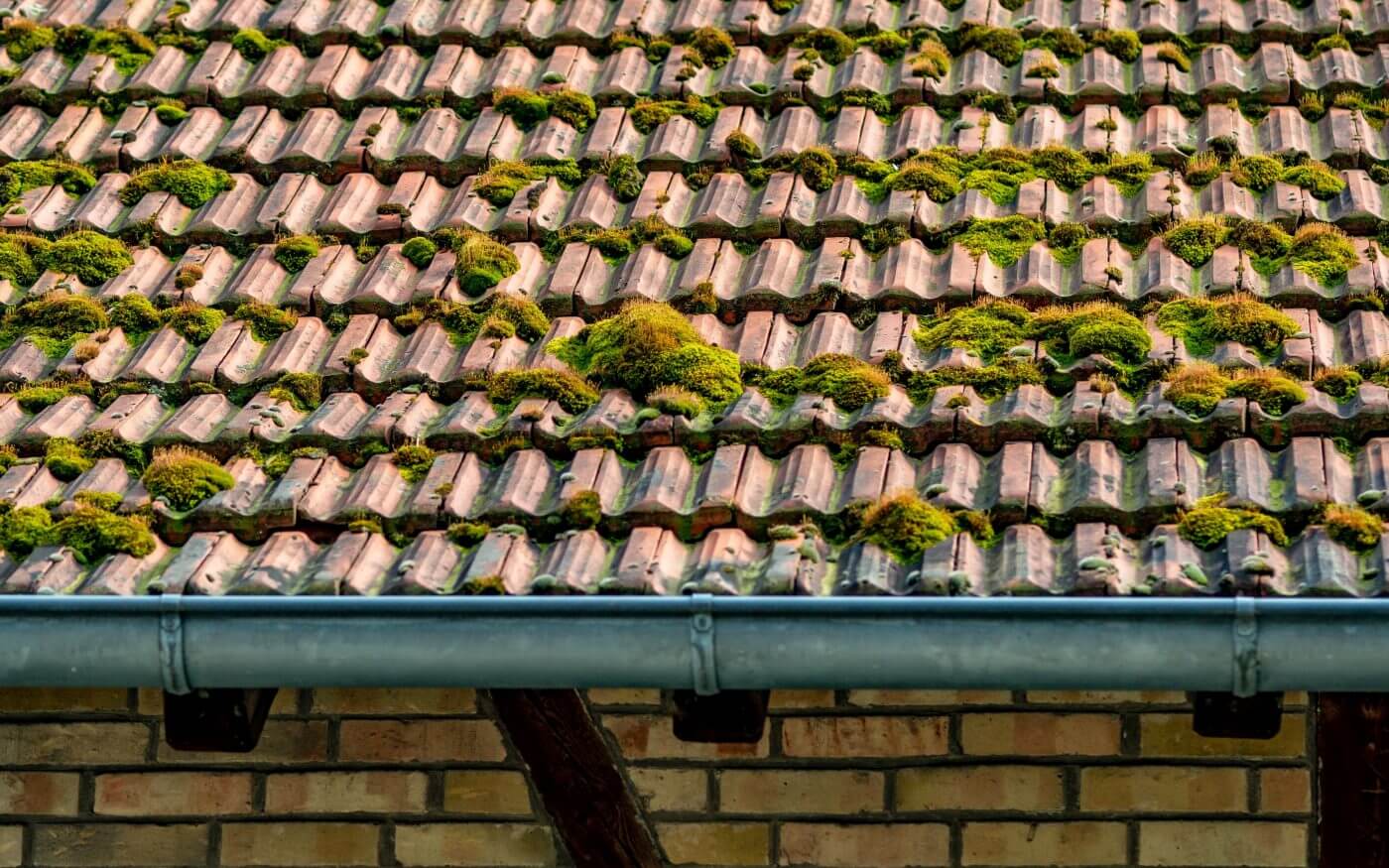
tile roof full of moss

How Algae and Mold Shorten Shingle and Tile Roof Lifespan

Living in Rockledge, FL, means enjoying sunny coastal breezes, but it also means dealing with extreme humidity and sudden afternoon rain showers. This constant warmth and moisture create a prime breeding ground for organic growth on residential rooftops. If you step outside and look up, you might notice unsightly dark streaks running down your shingles or green patches dusting your concrete tiles.
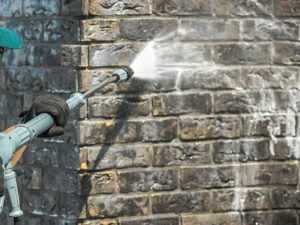
These discoloration marks are far more than a minor cosmetic issue. Left unchecked, biological growth and trapped moisture can gradually contribute to material degradation over time. Learning how algae and mold affect different roofing materials gives you the knowledge to protect your investment with smart, timely care.

Why Do Algae and Mold Grow on Roofs in Rockledge, FL?

Our local climate in Brevard County delivers high relative humidity alongside frequent precipitation, giving spores all the dampness they need to settle on building materials. Shaded sections of a roof that receive minimal sunlight stay wet longer after the rain stops.

Overhead trees also drop leaves, pine needles, and pollen. This organic debris piles up in roof valleys and around flashing, holding water like a sponge. Certain roofing products even contain limestone fillers, which supply nutrients that feed specific microscopic organisms.

It helps to understand that algae, mold, and mildew are distinct entities:

  • Algae: Photosynthetic organisms that thrive in sunlight on damp surfaces.
  • Mold and Mildew: Fungi that feed on trapped organic material in dark, wet, low-airflow environments.

Dark roof streaks are typically caused by blue-green algae (Gloeocapsa magma), whereas actual mold requires closer inspection and usually indicates lingering, trapped moisture beneath debris or damaged materials.

How Can Algae and Mold Affect Shingle Roofs?

Asphalt shingles are popular throughout East Central Florida, but their textured surfaces easily capture airborne spores. The most noticeable sign of growth is heavy dark staining. Beyond basic appearance, dense biological patches and trapped pine needles prevent rainwater from shedding efficiently.

Asphalt shingles rely on protective mineral granules to shield the underlying asphalt from harsh ultraviolet rays. While normal weather exposure naturally wears granules away over time, heavy moss growth or aggressive scrubbing can strip those granules prematurely. According to educational guidelines from the Asphalt Roofing Manufacturers Association (ARMA), dark streaks alone do not prove that shingles are structurally failing. However, stubborn staining often signals that water is draining slowly or debris is lingering in critical spots.

Close up of a roof covered in black mold and moss

What Problems Can Algae and Mold Cause on Tile Roofs?

Concrete and clay tile roofs are built to endure heavy coastal winds, but they require routine maintenance to stay clean. Algae and lichens leave dark, patchy discolorations across tile surfaces, while moss and mold thrive in the gaps between overlapping tiles.

When dead leaves and soil accumulate in tile interlocks or roof valleys, they trap moisture against the underlayment underneath. While clay and concrete tiles themselves last for decades, the underlayment below them usually has a shorter lifespan. Trapped water accelerates underlayment wear.

Furthermore, cracked or displaced tiles allow damp debris to collect directly against structural decking. Homeowners who try to wash tiles with high pressure risk cracking fragile surfaces, stripping protective coatings, or blasting water beneath the tile layer.

Can Algae and Mold Actually Shorten a Roof's Lifespan?

The short answer is that biological growth alone does not automatically destroy a roof overnight. Rather, growth serves as a visible warning light that water, shade, and organic matter are hanging around longer than they should.

In coastal environments like Rockledge, asphalt shingles typically last 15 to 25 years, while tile roofs can last 30 to 50 years when properly maintained. A roof’s actual service life depends on several interconnected factors:

  • Installation quality and proper ventilation.
  • Weather exposure from sun, tropical winds, and rain.
  • Routine inspections to catch cracked tiles or loose flashing early.
  • Moisture management to clear valley blockages before leaks develop.

By catching trapped debris, damaged shingles, and drainage issues early, you prevent minor surface problems from turning into costly structural repairs.

How Can Homeowners Prevent Roof Growth Without Causing Damage?

Preventing heavy growth on your roof requires a balanced approach focused on proper drainage and gentle care. Taking simple steps around your yard makes a significant difference:

  • Trim tree branches back at least six feet from your roofline to increase sunlight exposure and improve airflow.
  • Clear gutters, downspouts, and valley channels every season so rainwater flows off freely.
  • Inspect your roof safely from the ground after major storms to check for shifted tiles or missing shingles.
  • Avoid using high-pressure power washers, which strip shingle granules and shatter roof tiles.
  • Apply gentle cleaning solutions recommended by material manufacturers rather than relying on abrasive tools.

Homeowners should avoid walking across wet, algae-covered roofs. Slick surfaces pose severe fall hazards, and foot traffic can easily break delicate tiles or tear aging shingles.

tile roof with algae and mold

When Should You Schedule Professional Roof Cleaning?

If you notice broad black streaks across your roof plane, clusters of green growth along tile edges, or piles of leaf litter stuck in your valleys, it is time to bring in an expert. A qualified professional evaluates the age of your roof, checks the overall condition of your shingles or tiles, and applies dedicated soft-wash cleaning techniques that lift organic stains without damaging fragile materials.

  • Roof Soft Washing: Eliminates black streaks (Gloeocapsa magma) and extends shingle lifespan by reflecting solar heat efficiently.

  • Driveway & Walkway Surface Cleaning: Removes slick oil stains, tire marks, and dark mildew from concrete before holiday foot traffic arrives.

  • Screen Enclosure & Patio Wash: Clears out trapped leaves, bug nests, and green algae from pool cages and lanai framing.

  • Gutter Clean-Out and Brightening: Removes internal debris to ensure smooth drainage during late-fall rains while restoring external gutter face brightness.

Looking for Proper Roof Maintenance in Rockledge, FL?

If your roof shows signs of staining or debris accumulation, do not wait for minor moisture issues to turn into costly roof damage. Regular inspections and proper roof cleaning in Rockledge, FL help protect your investment and maintain your home’s curb appeal year after year. Contact the local team at Beacon Cleaning today at (321) 507-4851 to schedule a thorough roof inspection and discuss safe, effective cleaning options for your home.

Read more

How Algae and Mold Shorten Shingle and Tile Roof Lifespan Read More »

soft wash cleaning
soft wash cleaning

Why October Is a Smart Time to Schedule House Washing

October falls right in the sweet spot of the fall cleaning season. Florida homeowners should generally plan to wash their homes at least once a year, with spring and fall being ideal times to schedule the service.
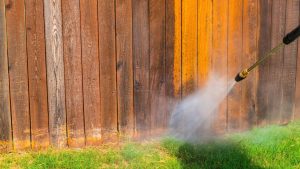
After months of heavy summer storms and blazing heat, your exterior surfaces often have layers of dirt, algae, mildew, and grime. A mid-fall cleaning gives you the perfect chance to clear away that organic growth before it embeds deeper into your paint or siding. Washing your property now also prepares your home for outdoor fall gatherings, holiday visitors, and family events. The exact timing always depends on your home’s unique exposure to shade and moisture, but October offers comfortable weather and optimal timing for deep cleaning.

How Does Florida Weather Cause Exterior Buildup?

If you live in Titusville, you know our local climate is tough on buildings. High warm temperatures combined with constant humidity create the perfect breeding ground for organic growth. Frequent afternoon rain showers keep your walls damp, especially on shaded sides of the house where the sun cannot dry things out quickly.

Trees and local vegetation near your roofline drop pollen, leaves, and organic debris right onto your exterior walls. According to environmental studies, high ambient humidity paired with organic debris creates ideal conditions for mold spores and algae to colonize structural surfaces rapidly. Exterior house cleaning demands a totally different mindset here than in cooler, drier states. Without regular care, dark algae strains like Gloeocapsa magma can quickly turn a beautiful home dingy and dull.

Common Local Contaminants

  • Gloeocapsa Magma (Black Streaks): A photosynthetic bacterium that feeds on the limestone filler in asphalt shingles and stucco, leading to dark, unsightly streaks and heat retention.
  • Green Algae: Rapidly forms on shaded walls, soffits, and north-facing siding during wet summer months.
  • Salt Spray & Sea Air: Coastal breeze carries airborne salt particles that accelerate corrosion on metal fixtures, gutters, and window frames if left unwashed.
  • Lichens & Moss: Form dual-organism bonds on roofs and brickwork, trapping moisture and breaking down surface materials over time.

Why Does October House Washing Help Prepare for the Holidays?

The holiday season arrives faster than most of us expect. October is early enough to cross exterior home maintenance off your to-do list well before Thanksgiving and December family gatherings arrive. A thorough house washing in Titusville, FL instantly upgrades your curb appeal, making your home look clean, bright, and welcoming for out-of-town guests.

Clean walls and soffits also give you a much better starting point for other seasonal outdoor projects. If you plan to hang up festive outdoor lights or holiday decorations, cleaning your siding first keeps your hands, ladders, and light clips free of thick dirt and spiderwebs. It makes the process smoother and keeps your home looking its best all season long.

garage soft washing

What Are the Signs Your Titusville Home Is Ready for a Wash?

You do not need to wait until your walls look completely covered in grime to take action. Spotting early warning signs lets you protect your paint and exterior finishes before real damage occurs. Keep an eye out for these visual indicators around your property:

  • Green or dark discoloration creeping along your siding or stucco
  • Visible patches of algae, moss, or mildew near shaded foundation lines
  • Layered dirt, dust, and pollen buildup on your home’s exterior surfaces
  • Stained, dingy walls that have lost their original bright color
  • Heavy cobwebs, bug nests, and accumulated debris under your eaves
  • Exterior walls that look noticeably dirtier than they did twelve months ago

If you notice any of these signs, your home is ready for a professional cleaning.

Should You Pressure Wash or Soft Wash Your House?

Many people use the term pressure washing in Titusville, FL to describe any type of exterior cleaning. However, blasting high-pressure water directly at your home isn’t always the right choice—and can often do more harm than good.

Soft Washing

  • Pressure Level: Low pressure (similar to a garden hose)

  • Best Used For: Stucco, vinyl siding, paint, roofs, and screen enclosures

  • How It Cleans: Eco-friendly cleaning solutions kill algae at the root

  • Risk Factor: Safe for delicate materials; prevents water intrusion

High-Pressure Washing

  • Pressure Level: High pressure (up to 4,000+ PSI)
  • Best Used For: Concrete driveways, brick patios, and stone walkways
  • How It Cleans: Mechanical force strips away hard surface dirt
  • Risk Factor: High risk of cracking siding, stripping paint, or blowing seals

High pressure can crack siding, strip paint, erode stucco finish, or force water behind delicate vinyl panels where it trapped moisture leads to indoor mold.

That is why professional residential cleaning services rely heavily on soft washing for home exteriors. Soft washing uses low water pressure combined with specialized, eco-friendly cleaning solutions to break down mold, mildew, and algae at the microscopic level. High-pressure washing is then reserved for hard, durable surfaces like concrete driveways, stone walkways, and brick patios. Using the right method for each surface keeps your property spotless without risking costly structural damage.

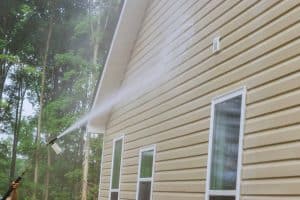
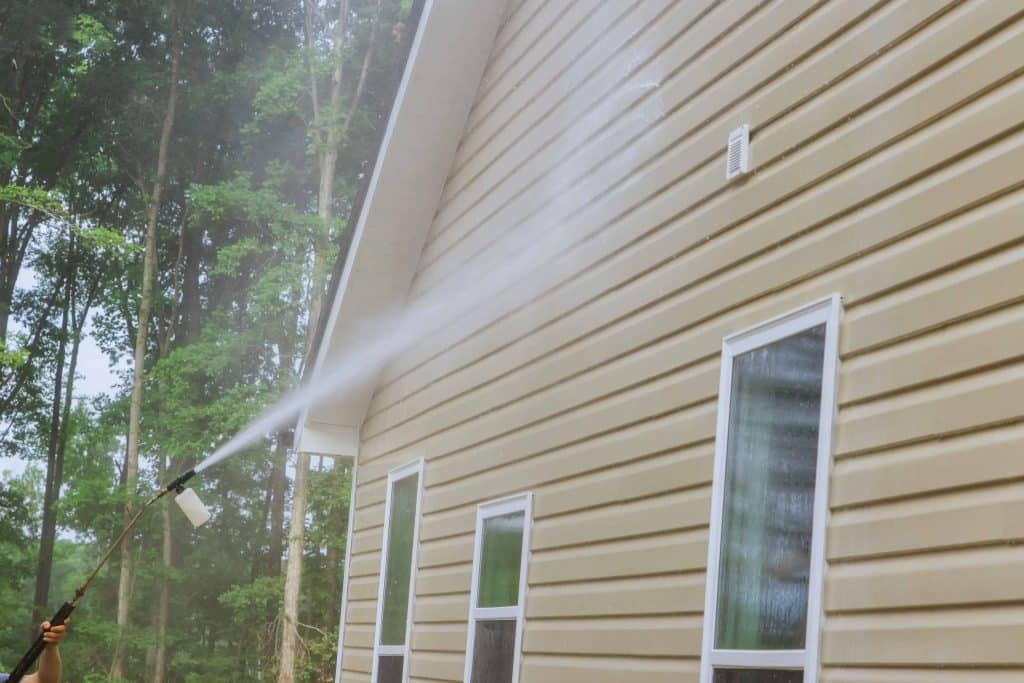
soft washing a house siding

Exterior Areas to Include in Your Clean-Up

When planning your fall exterior maintenance, don’t stop at just the house walls. A complete exterior refresh involves several key areas:

  • Roof Soft Washing: Eliminates black streaks (Gloeocapsa magma) and extends shingle lifespan by reflecting solar heat efficiently.

  • Driveway & Walkway Surface Cleaning: Removes slick oil stains, tire marks, and dark mildew from concrete before holiday foot traffic arrives.

  • Screen Enclosure & Patio Wash: Clears out trapped leaves, bug nests, and green algae from pool cages and lanai framing.

  • Gutter Clean-Out and Brightening: Removes internal debris to ensure smooth drainage during late-fall rains while restoring external gutter face brightness.

How Often Should You Wash Your House in Florida?

The baseline rule for Sunshine State properties is simple: schedule a complete wash at least once every twelve months. Both spring and fall offer ideal weather conditions for this work. Spring cleaning between March and May clears away winter dirt and heavy pollen seasons, while fall cleaning from September through November clears away summer storm buildup.

October is a practical, highly convenient choice for homeowners who prefer a fall maintenance schedule. Homes surrounded by large trees, heavy shade, or high moisture levels may need attention more often. Paying attention to your property’s actual condition helps you set the ultimate maintenance schedule.

Are you ready to restore your home’s curb appeal before the holidays arrive? Contact the experienced team at Beacon Cleaning today at (321) 507-4851 to schedule your professional house washing service in Titusville!

Read more

Why October Is a Smart Time to Schedule House Washing Read More »

How to Clean Your Home Exterior

How to Clean Your Home’s Exterior After Florida Storms

Living in Brevard County brings sunny beaches, warm ocean breezes, and the occasional severe coastal weather. When tropical storms or summer severe weather roll through the Space Coast, they leave behind quite a mess. High winds blow heavy ocean mist, mud, debris, and shredded vegetation against your siding and outdoor living areas.
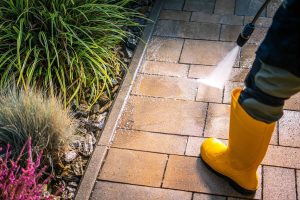
Cleaning up after a storm is about more than just maintaining curb appeal. It protects your property from long-term moisture damage, structural decay, and aggressive mold growth.

Florida’s heat and humidity create an ideal environment for organic matter to thrive on damp surfaces. Tackling the cleanup process step by step ensures your home remains safe, dry, and structurally sound.

How Do You Perform Essential Safety Checks First?

Before picking up a rake, pulling out a hose, or starting any equipment, pause and check your surroundings for potential safety hazards. Storm damage can create hidden dangers around your yard and home exterior.

According to safety guidelines from the University of Florida IFAS Extension, post-storm cleanup requires careful site inspection before work begins. Taking simple precautions protects you and your family from unexpected injuries while working outside.

  • Look for danger: Walk around your property to check for loose roofing materials, cracked window glass, hanging tree limbs, and unstable building structures.
  • Wear gear: Put on sturdy closed-toe work boots, heavy-duty work gloves, and protective eyewear before handling any debris.
  • Stay away: Maintain a wide distance from fallen power lines, leaning utility poles, or standing water that might cover submerged electrical connections.

If you see downed power cables or suspect electrical issues, call Brevard County emergency management or your local utility company right away. Never attempt to handle electrical hazards on your own.

patio ceiling cleaning

How Do You Safely Clear Yard Debris and Mud?

Once you know the area is safe, you can start removing the heavy mess left behind by high winds and torrential rain. Clearing debris quickly prevents grass from dying and stops mold from taking root on your hardscapes.

The National Oceanic and Atmospheric Administration (NOAA) reports that tropical cyclones are the costliest natural disasters in the U.S., causing over $1.5 trillion in total property and infrastructure damage since 1980. Proper post-storm maintenance helps mitigate long-term structural decay.

Sort Waste

Separate your yard waste into clear piles to help city workers pick it up faster. Place organic material like limbs and leaves in one area, and put damaged building materials like ruined fencing or aluminum fascia in another. Keeping your waste organized speeds up Brevard County storm cleanup services and keeps your curb neat.

Cut Branches

Trim back broken tree limbs that pose an immediate risk to your driveway, roof, or walkways. Use a sturdy hand saw or chainsaw only if you are confident and experienced in operating one safely. Always cut pieces into manageable sizes so you do not strain your back while carrying them to the curb.

Clear Gutters

Remove heavy leaves, pine needles, and mud from your gutter channels and downspouts. When gutters clog during Florida rainstorms, water backs up under your roof shingles and spills over onto your home’s foundation. Ensuring your drainage system flows freely prevents thousands of dollars in water damage to your soffits and exterior walls.

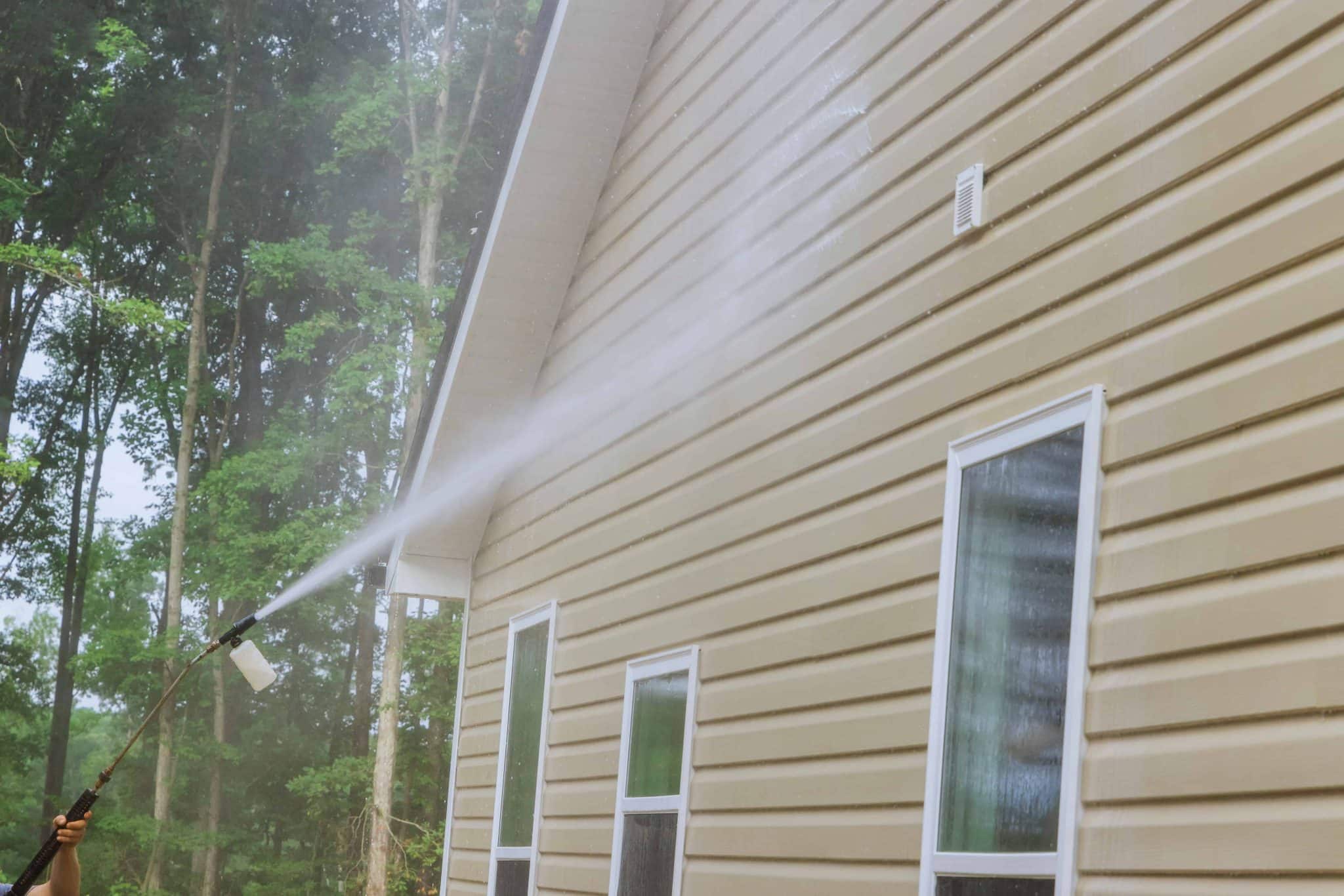
soft washing a siding

How Can You Safely Rinse Siding and Protect Landscaping?

Start the exterior washing process by gently rinsing off loose surface mud, grit, and sand. Avoid blasting surfaces with high pressure immediately, as coarse grit can scratch paint and damage delicate building materials.

  • Protect plants: Saturate surrounding gardens and tropical shrubs with fresh water before and after applying outdoor cleaning solutions to safeguard foliage.
  • Rinse siding: Spray your walls from top to bottom using a low-pressure setting to wash away surface dust and loose mud without forcing water behind siding panels.

Why Is a Soft Wash System the Best Choice for Storm Cleanup?

High pressure water can strip paint, crack aged vinyl, and blast hole cuts into soft Florida stucco. For delicate exterior surfaces, low-pressure soft washing offers a safer, more effective cleaning method.

Soft washing uses specialized, eco-friendly cleaning formulas paired with gentle water pressure—typically below 500 PSI—to treat surfaces. Instead of using raw force to blast surface dirt, the specialized solution breaks down stubborn algae spores, black mold, and embedded salt deposits at the root. This gentle approach cleans thoroughly without compromising window seals, lifting shingles, or driving moisture behind exterior walls.

Ready to Restore Your Home's Exterior?

When storm cleanup feels too heavy, or when your home requires deep exterior revitalization, calling in trained experts saves you time, stress, and potential property damage. A dedicated team offering expert pressure cleaning and high-quality pressure washing in Melbourne, FL has the commercial tools, proper safety ladders, and experienced hands needed to restore your driveway, roof, and siding quickly and safely.

Don’t let post-storm grime, mold, and salt spray ruin your home’s curb appeal or damage your paint. Contact Beacon Cleaning today at (321) 507-4851 for your premier power washing service in Melbourne, FL!

Read more

How to Clean Your Home’s Exterior After Florida Storms Read More »

beacon cleaning exterior specialists

Why DIY House Washing Can Damage Your Exterior

Is DIY House Washing Really Worth the Risk in Cocoa, FL?

Renting a pressure washer for a weekend project might seem like a quick way to save money, but DIY house washing in Cocoa, FL often leads to expensive home repairs instead.
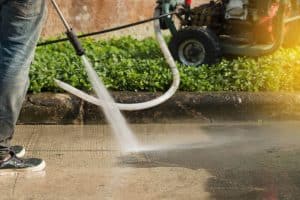
Living near the Indian River Lagoon and the coast means our homes face heat, humidity, and salt air every day. That mixture creates a breeding ground for green algae, dark mildew, and stubborn grime on your siding. When homeowners try to blast these stains away on their own, they often rely on sheer water pressure. Unfortunately, standard house cleaning with high pressure can easily strip paint, crack vinyl, and force water into places it should never go.

How Does High Pressure Destroy Your Home's Exterior?

High-pressure water destroys home exteriors by cracking vinyl siding, gouging stucco, breaking window seals, and forcing water deep behind your walls.

When water gets pushed behind your exterior walls, it stays trapped. That trapped moisture creates hidden wood rot and indoor mold growth that you might not notice until it becomes a massive repair bill. Stucco and painted wood are especially delicate. A single blast from a high-pressure nozzle can chip away protective coatings or leave visible zebra stripes across your walls.

According to guidelines from the University of Florida IFAS Extension, Florida’s warm climate speeds up fungal and mold growth whenever moisture remains trapped in exterior structures. Blasting water with force only adds more moisture under your siding, making the mold problem worse underneath.

soft washing a residential siding

Can Washing Your Own Home Cause Personal Injury?

Yes, operating a high-pressure power washer without professional training often causes severe skin lacerations, eye injuries, and dangerous ladder falls.

Pressure washers exert between 2,000 and 4,000 pounds per square inch of force. That is enough power to slice through a work boot or cause deep tissue damage in a split second.

Data published by the Centers for Disease Control and Prevention shows that thousands of people end up in emergency rooms every year from pressure washer accidents. Many of these injuries involve deep water injection wounds or serious falls from trying to hold a kick-back wand while standing on a ladder.

Why Doesn't Blasting Water Get Rid of Mold and Algae?

High-pressure water only knocks off the visible surface layer of dirt while leaving the living mold and algae roots completely unharmed inside the material.

When you use water alone, the green and black spots usually return within a few short weeks. Real exterior house washing relies on a method called soft washing. Soft washing uses low pressure paired with specialized, eco-friendly cleaning solutions. The solution sinks deep into porous concrete, stucco, and vinyl to kill algae spores right at the root.

If you want long-lasting results for your exterior house cleaning in Cocoa, FL, low-pressure soft washing is the safest and most effective choice for your property.

vinyl siding cleaning

Ready to Protect Your Home With Professional Soft Washing?

You do not have to risk personal injury or costly property damage to keep your home looking fresh and vibrant. The trained team at Beacon Cleaning uses specialized soft-wash equipment that lifts away tough coastal grime, algae, and mold without ever risking your siding or seals.

Protect your investment and skip the weekend hassle. Give Beacon Cleaning a call today at (321) 507-4851 to get a free estimate on your next exterior service.

Read more

Why DIY House Washing Can Damage Your Exterior Read More »

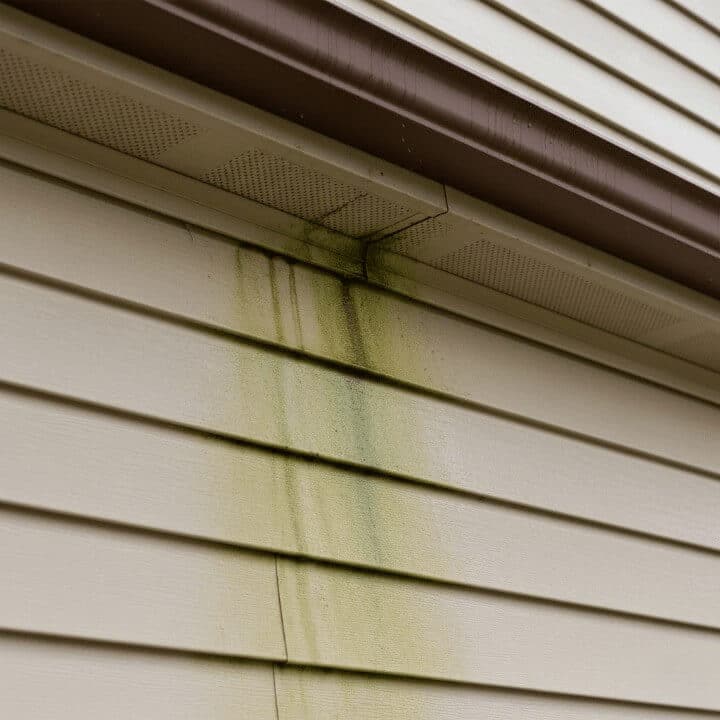
algae and mold from house siding

How to Remove Algae and Mold on House Sidings

If you take a close look at houses around Florida, you will notice a common problem spreading across many of them. Dark green patches and black streaks frequently take over beautiful exterior walls. This nasty buildup is made of algae, mold, and mildew. It loves our warm, muggy climate, but you do not have to let it ruin your home. Cleaning it off is completely manageable if you know the right steps.

Why Do Algae and Mold Grow So Fast on Your Siding?

Our local weather is basically a paradise for microscopic spores. Algae and mold need two main ingredients to thrive: moisture and warmth. Because our humidity levels stay incredibly high for most of the year, your house walls rarely stay perfectly dry.

According to data compiled by the U.S. Environmental Protection Agency, biological growth, such as mold, can quickly develop on surfaces when relative humidity consistently hovers above 80%. In places like Florida, the outdoor air consistently hits that threshold. When you mix that moisture with shade from nearby trees or a north-facing wall that rarely gets direct sunlight, you get the perfect recipe for a green explosion. The organisms feed on the microscopic dust and pollen that settle on your walls, spreading further every single week.

Can You Wash Away the Growth Using a Regular Garden Hose?

If you catch the discoloration very early, when it is just a light, faint layer, you might be able to wash it off with basic hand tools. You do not always need heavy machinery for a minor issue.

To tackle light stains yourself, you can mix a simple cleaning solution using everyday household items:


  • A large bucket of warm water mixed with a mild dish soap or oxygen bleach.
  • A soft-bristle scrub brush attached to a long extension pole so your feet can stay safely on the ground.
  • A standard garden hose equipped with a high-quality spray nozzle.

Start by wetting down your siding with plain water from the bottom up to prevent ugly streak marks. Dip your soft brush into the soapy mix and gently scrub the affected areas. Let the soap sit for about 10 minutes to loosen the algae’s grip, but do not let it dry completely on the wall. Finally, rinse the entire section thoroughly with clean water, working your way from the top down to wash away all the grime.

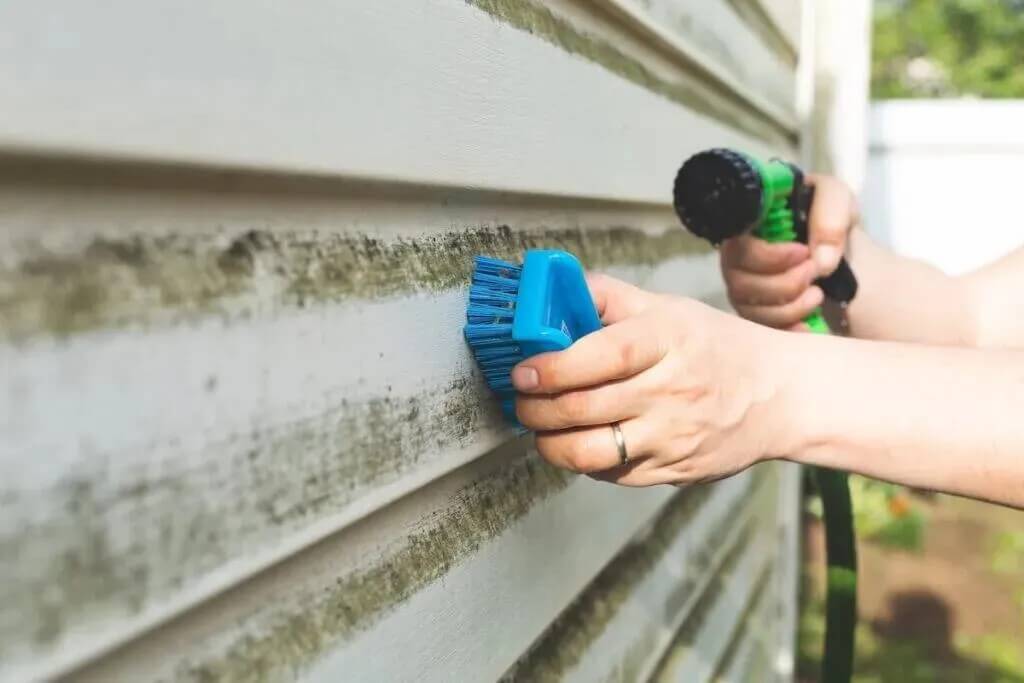
soft washing an algae build up on house siding

Why Is High-Pressure Power Washing Risky for Exterior Walls?

When homeowners see thick, stubborn black mold, their first instinct is often to rent a commercial pressure washer and blast it on the highest setting. While this seems like a fast fix, it can actually cause serious, hidden damage to your property.

The intense force of high-pressure water can easily crack aged vinyl panels, chip away delicate exterior stucco, or strip the paint right off wood siding. Even worse, blasting water at a straight or upward angle forces moisture deep behind the siding panels. According to building science resources, trapping water inside wall cavities creates a high-moisture zone that can trigger hidden wood rot and dangerous indoor mold growth. Once water gets trapped back there, it has a very hard time drying out on its own.

What Is the Safest Alternative to Clean Tough Stains?

The safest and most effective professional method for eliminating heavy biological growth is soft washing. Instead of relying on raw, destructive water pressure, this technique uses eco-friendly, specialized siding cleaning solutions applied at low pressure, similar to the force of a strong garden hose.

The cleaning solution does all the heavy lifting by killing the algae and mold spores at their absolute roots. This ensures that the growth does not just come right back a few weeks later. Once the solution safely breaks down the biological bond, the entire wall is rinsed thoroughly with a gentle stream of water, keeping your exterior materials intact and safe from harm.

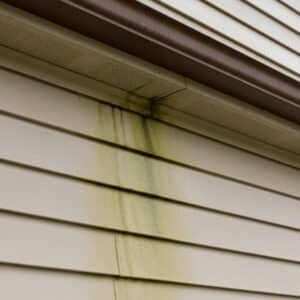
siding with algae build up

Ready to Bring Back Your Home's Beautiful, Clean Look?

Safely removing stubborn, thick exterior stains requires the right equipment, proper safety training, and the correct cleaning solutions. If you want to skip the weekend scrubbing and avoid the risk of damaging your walls, our professional team at Beacon Cleaning is here to step in. We use advanced soft-wash techniques to completely remove unsightly algae and mold, leaving your property looking brand new. Give Beacon Cleaning a call today at (321) 507-4851 to get your free estimate and book your hassle-free exterior cleaning.

Read more

How to Remove Algae and Mold on House Sidings Read More »

algae buildup on home siding

How Does Florida’s Humidity Cause Algae Buildup on Home Siding?

Every Florida homeowner knows that keeping a house looking fresh is a constant battle against nature. Our state is famous for beautiful sunshine, but it is also famous for sticky, heavy humidity. If you take a close look at the exterior of your home, you might notice strange green streaks or dark patches spreading across your siding. This is not just regular dirt from a windy day. It is a live biological buildup, and ignoring it can lead to some major headaches for your property.

What Exactly Is That Green Stuff on Your Siding?

That green or black coating spreading across your walls is usually a mix of algae, mold, and mildew. Because Florida experiences sustained high relative humidity and warm temperatures throughout most of the year, it creates a perfect breeding ground for these organisms. Studies show that when high moisture loads combine with moderate-to-warm temperatures over time, the risk of rapid biological growth on building envelopes skyrockets.

Algae thrives on moisture and sunlight, using the dust and organic matter on your walls as food. It typically starts on the north side of your house or under shady tree canopies where the morning dew takes the longest to dry. Once it gets a foothold, it spreads quickly across vinyl, stucco, and wood.

What Causes That Green Layer to Grow On Your Walls?

The colorful coating on your home is actually an accumulation of green algae, cyanobacteria, and mold spores. These tiny organisms are naturally present in the air, and they constantly look for a comfortable place to settle down and multiply.

Our local environment provides the absolute perfect breeding ground for these microscopic invaders. For biological organisms to grow rapidly on building materials, they require consistent warmth, plenty of shade, and high moisture levels. Scientific climate overviews focused on weathering track how atmospheric pollution and dust settle onto exterior walls, acting as a direct food source for traveling colonies of cyanobacteria like Gloeocapsa. Because Florida gets an incredible amount of rain alongside daily morning humidity, the north-facing and heavily shaded sides of your house rarely dry out completely, allowing the algae to thrive.

guy soft washing a house siding

How Can a Biological Film Damage Your Physical Siding?

While a little green tint might just look unappealing at first, letting it sit on your home can slowly ruin the materials underneath. Different types of siding react to organic growth in very different ways.


  • Vinyl Siding: Vinyl is tough, but the algae film acts like a sticky trap. It catches blowing dirt, tree sap, and pollen, turning your beautiful walls into a thick layer of grime. If left alone for years, the biological layer can permanently stain the vinyl panels.
  • Wood Siding: This is where the real danger happens. Algae traps moisture directly against the wooden boards. This constant wetness softens the wood fibers, leading to deep wood rot, warping, and expensive structural failures.
  • Stucco and Fiber Cement: These materials are naturally porous, meaning they have thousands of tiny microscopic pockets. Algae roots dig deep into these tiny holes, making the surface brittle and causing the paint to bubble or flake off early.

Why Does Keeping Your Walls Clean Protect Your Health?

Allowing organic matter to completely cover the outside of your house can eventually impact the comfort and safety inside your living spaces.

When algae colonies expand, they often team up with mold and mildew. As the wind blows against your exterior walls, millions of microscopic spores are released into the air right next to your windows, doors, and air conditioning intake vents. This airborne mixture can aggravate seasonal allergies and trigger asthma symptoms for your family. Furthermore, thick patches of damp algae create an inviting home for tiny pests, including moisture-loving bugs like termites and ants, which can easily find a small crack and migrate into your drywall.

half of house siding with algae buildup

Are You Ready to Restore Your Home’s Beautiful Look?

Getting rid of stubborn exterior buildup requires specialized care to avoid cracking your panels or blasting water deep behind your walls. Contact Beacon Cleaning today at (321) 507-4851 to schedule a professional, gentle soft-wash evaluation. Our experienced local team will safely clear away the grime, kill the underlying spores, and keep your Florida property looking spotless and beautiful for the long haul.

Read more

How Does Florida’s Humidity Cause Algae Buildup on Home Siding? Read More »

Signs Your Pool Pavers Need New Sealing

Common Signs Your Pool Pavers Need New Sealing in Cocoa, FL

Your pool deck should be a place to relax, not a source of stress. But if your pavers are starting to look worn, stained, or rough to the touch, they may be telling you something important. In Cocoa, FL, pool pavers face some of the harshest outdoor conditions in the country. Between the intense sun, high humidity, salty coastal air, and frequent rain, paver sealers break down faster here than in most other parts of the United States. Knowing the signs that your pavers need resealing can save you from far more expensive repairs down the road.

How Do You Know If Your Paver Sealer Has Worn Off?

The simplest test you can do at home is called the water test. Pour a small amount of water directly onto your pool deck pavers. Watch closely. If the sealer is still doing its job, the water will bead up and sit on the surface. If the water immediately soaks in and turns the paver a darker, damp color, the protective barrier is gone.

This matters a lot in Cocoa. Without a working sealer, your pavers are left wide open to damage from moisture, mold, and the salt air that blows in off the Atlantic. A fresh sealer acts like a shield, keeping water and contaminants from working their way into the porous stone. Once that shield is gone, deterioration starts quickly, especially in Florida’s climate.

Why Do Pool Pavers in Cocoa Fade So Quickly?

If your pavers look dull, washed out, or noticeably lighter than when they were first installed, UV damage is likely the cause. Florida is one of the sunniest states in the country, and Cocoa’s position on the Space Coast means strong sun exposure for most of the year.

Research published in peer-reviewed scientific literature found that UV radiation increases surface porosity in concrete, accelerates surface degradation, and causes significant loss of glossiness and appearance quality over time. A quality paver sealer acts the same way sunscreen protects your skin. It filters and absorbs UV rays before they can break down the color pigments and surface structure of your pavers. When the sealer wears away, that UV protection disappears with it, leaving your pavers faded and vulnerable.

In Cocoa, pavers typically need to be resealed every two to three years. Given the intensity of Florida’s sun and the added stress of coastal salt air, waiting longer than that almost always leads to visible color loss and surface damage.

applying sealer on pool deck

Are Persistent Stains and Algae Growth a Sign of Sealing Problems?

Yes, and this is one of the most telling signs that resealing is overdue. A properly sealed paver has a protective barrier that resists staining from rust, fertilizer, sunscreen, and algae. When that barrier breaks down, stains sink deep into the porous surface where simple washing cannot reach them.

Algae and mold are a particular concern around pool decks in Cocoa. According to the U.S. Environmental Protection Agency, humidity levels above 60 percent create conditions that actively promote mold growth on porous surfaces. Cocoa regularly exceeds this threshold, especially during the rainy season from June through September. Unsealed pavers absorb moisture and hold it, giving mold and algae exactly what they need to grow.

If you are seeing dark green or black slimy patches on your pool deck, especially near the waterline or in shaded spots, your sealer is most likely gone and mold has already taken hold inside the pores of the stone. Regular pressure washing can remove surface buildup, but resealing is what prevents it from coming back. To learn more about why keeping your deck clean before resealing matters, the U.S. EPA’s Mold and Moisture Guide explains how moisture control is the foundation of preventing long-term surface damage.

What Do Shifting Pavers and White Haze Mean for Your Deck?

Two signs that often get overlooked are eroding joint sand and efflorescence, the white powdery haze that sometimes appears on paver surfaces. Both point directly to a sealer that has failed.

Joint sand is the material packed between your pavers to keep them stable and in place. A quality sealer locks that sand down. When the sealer wears off, rain and foot traffic slowly wash the sand away. Once the sand is gone, pavers begin to loosen, shift, and become uneven, creating a tripping hazard and allowing weeds to take root in the gaps.

Efflorescence is a different kind of warning sign. It happens when water pushes up through the paver and carries dissolved salts and calcium to the surface. When the water evaporates, those minerals are left behind as a white, frosted-looking residue. It tells you that moisture is moving freely through your pavers, which means the sealer is no longer blocking it. In a coastal city like Cocoa, where salt air already places extra stress on outdoor surfaces, this kind of moisture movement can cause real structural damage over time.

If your pavers also feel gritty or sandy to the touch, or you notice small pits forming on the surface, you are looking at what is called spalling. This is late-stage damage caused by water repeatedly entering the pores and breaking down the material from the inside. Resealing at this point, along with a thorough professional cleaning first, is essential to stop further erosion.

pool deck sealer

Is It Time to Reseal Your Pool Pavers in Cocoa, FL?

If your pavers are absorbing water, showing stubborn stains, growing algae, losing joint sand, or developing a white haze, do not wait. These signs mean your sealer has worn out and your pavers are unprotected. The longer you wait, the more damage builds up and the more expensive the fix becomes.

Beacon Cleaning provides professional pool paver pressure washing and sealing services right here in Cocoa, FL. We help homeowners get ahead of the damage before it becomes a costly repair. Call us today at (321) 507-4851 to schedule a service and protect your investment.

Frequently Asked Questions

A penetrating sealer works best in Florida’s climate. It soaks into the paver rather than sitting on top, offering better resistance to humidity, UV rays, and salt air without peeling or flaking.

Typically two to three years. Florida’s intense sun, high humidity, and coastal salt air break down sealers faster than in most other states, so staying on a regular schedule matters.

Only if the existing sealer is in good condition and still bonded properly. In most cases, old sealer needs to be stripped first to ensure the new coat adheres correctly and lasts as long as possible.

Most do, including concrete, brick, and natural stone pavers. Some materials like travertine are more porous and actually need sealing more urgently to prevent water absorption and staining.

A standard topical sealer can make wet pavers slippery. Always choose a sealer with a non-slip additive or matte finish specifically designed for pool deck areas.

Read more

Common Signs Your Pool Pavers Need New Sealing in Cocoa, FL Read More »

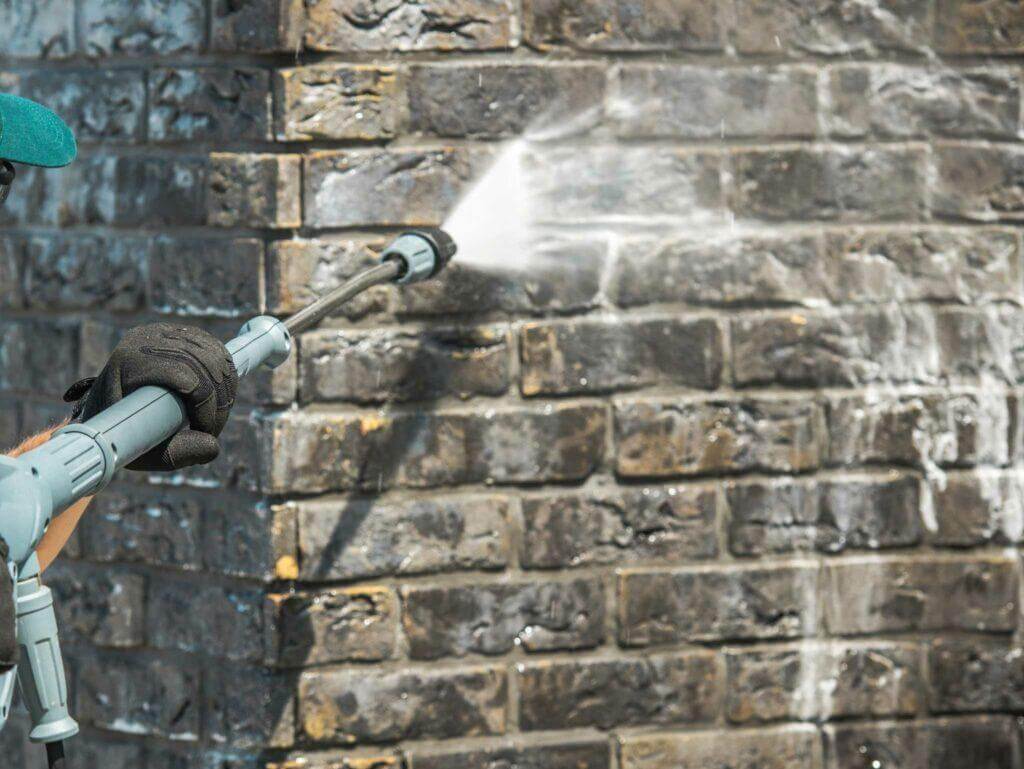
pool decks pressure washing

Why Do Pool Decks in Cocoa, FL Need Regular Pressure Washing?

If you have a pool at home in Cocoa, FL, you already know how much fun it is during a hot summer day. But have you ever looked down at your pool deck pavers and noticed dark green or black stains, slippery patches, or dull, faded stone? That is not just dirt. That is what happens when Florida’s climate works on your outdoor surfaces. Regular pressure washing is not a luxury here. It is a necessity. Here is why.

Does the Climate in Cocoa, FL Make Pool Deck Pavers Harder to Maintain?

The short answer is yes, and by a large margin. Cocoa sits along Florida’s Space Coast, where warm temperatures and high coastal humidity are present almost every single day of the year. This combination creates the perfect environment for mold, mildew, and algae to grow rapidly on any wet surface, including your pool deck.

According to the U.S. Environmental Protection Agency, indoor relative humidity should be kept below 60 percent to prevent mold growth. Outdoor surfaces in Cocoa regularly experience humidity levels that exceed this threshold, especially during summer and rainy season. When moisture settles into the small pores and joints of your pavers, mold and algae begin growing within days. Add the salt air blowing in from the Atlantic Ocean, and your pavers are fighting a battle on multiple fronts every single month.

Beyond the humidity, Cocoa also receives intense UV rays year-round. That constant sun exposure bleaches and weakens the surface of pavers over time, causing colors to fade and materials to become more brittle. Storm debris, fallen leaves, and pool splashback from chlorine only add to the problem. Without regular cleaning, these factors compound quickly.

Worker man in uniform washes street or park sidewalk near water pool or fountain. Municipal service of city cleaning process. Guy uses spray equipment

Is a Dirty Pool Deck Actually Dangerous?

Yes, and this is one of the most important reasons to keep up with pressure washing. A pool deck covered in algae, mildew, or mold is extremely slippery, especially when wet. Barefoot kids, elderly family members, and guests are all at risk of a serious slip-and-fall accident when the surface is not properly maintained.

OSHA identifies wet floors and contaminants on walking surfaces as direct causes of slips, trips, and falls, and emphasizes the importance of keeping surfaces clean and dry to prevent injuries. While this guidance targets workplaces, the same principle applies directly to residential pool decks where wet, bare feet are the norm.

Black mold and green algae make pool decks dangerously slippery, and this is considered a safety issue, not just an aesthetic one. In a city like Cocoa where you can use your pool for most of the year, this risk is not seasonal. It is year-round.

How Does Grime and Algae Damage Pavers Over Time?

Pool deck pavers look solid, but they are actually porous materials. That means dirt, sand, silt, chlorine residue, and organic matter can work their way into the surface over time. Once embedded, these contaminants begin breaking down the stone from the inside out.

The sandy, salty environment of Brevard County makes this problem worse. Silt and sand carried by the coastal breeze act like tiny pieces of sandpaper when ground into paver joints. Over time, this causes chips, cracks, and surface erosion. Chlorine and pool chemicals that splash onto the deck also dry out and weaken the material, making pavers brittle and prone to cracking.

Mold can infiltrate porous materials and grow inside empty spaces or crevices, making it difficult or impossible to completely remove without proper treatment. This is exactly why a simple garden hose rinse is not enough. Pressure washing uses controlled water pressure to flush out these contaminants from the pores of your pavers before they cause permanent damage.

Catching this buildup early through regular cleaning can save you thousands of dollars in repairs or paver replacement down the road.

How Often Should You Pressure Wash Pool Deck Pavers in Cocoa, FL?

Given the climate here, more frequent cleaning is needed than in most other parts of the country. Professionals recommend cleaning pool decks every six to twelve months in Florida, with decks in heavily shaded areas or those with frequent pool use needing quarterly attention to prevent dangerous algae buildup.

For homeowners in Cocoa, every one to three months is a reasonable target, especially if your deck is partially shaded or surrounded by trees that drop debris. The quicker mold and algae are removed, the less damage they can do to your pavers and the safer your pool area stays.

pool deck pressure washing

What Happens If You Skip Regular Pressure Washing?

Skipping regular cleaning might seem like a harmless way to save time, but the consequences add up fast. Here is what typically happens when pool deck pavers in Cocoa go too long without pressure washing:

  • Black and green algae spread across the surface, making the deck slippery and unattractive.
  • Mold works its way into paver joints, triggering health concerns and speeding up structural damage.
  • Chlorine and salt residue continue to dry out and weaken the paver material.
  • Sand and silt etch into the surface, causing erosion, chips, and cracks.
  • Staining becomes permanent and harder to remove with each passing month.
  • The overall look of your pool area declines, affecting your home’s curb appeal and value.

What could have been a simple pressure wash every few months can turn into a costly paver replacement or resurfacing project.

Is It Time to Schedule a Professional Pool Deck Cleaning in Cocoa, FL?

If your pool deck pavers are starting to look green, feel slippery, or show signs of staining and wear, do not wait any longer. Beacon Cleaning provides professional pressure washing services right here in Cocoa, FL, designed specifically to handle the challenges that come with our coastal climate. We help homeowners keep their pool areas clean, safe, and looking great all year long.

Call Beacon Cleaning today at (321) 507-4851 to schedule your pool deck pressure washing. Your pavers, your family, and your guests will thank you.

Frequently Asked Questions

You can, but getting the pressure wrong risks surface damage. A professional knows the right PSI for your specific paver material and uses proper technique to avoid costly mistakes.

Yes, though stubborn rust stains may need a pre-treatment with a rust-removing solution before pressure washing for best results.

Most pool deck pavers dry within a few hours under Cocoa’s sunny conditions. Avoid foot traffic until the surface is fully dry to prevent slipping.

Yes. Sealing after a thorough cleaning protects pavers from future staining, UV fading, and moisture penetration, extending their lifespan significantly.

Pressure washing removes surface buildup and can restore a lot of the original color. However, deep UV fading may require sealing or re-sanding to fully refresh the appearance.

Read more

Why Do Pool Decks in Cocoa, FL Need Regular Pressure Washing? Read More »

How Does Regular Cleaning Extend the Life of Your House Exterior

How Does Regular Cleaning Extend the Life of Your House Exterior in Cocoa?

Living in Cocoa, FL means your home faces heat, humidity, rain, and salty coastal air almost all year. Those conditions may feel normal to Florida homeowners, but they can be hard on siding, paint, trim, soffits, gutters, and other outside surfaces. Brevard County also gets heavy rainfall, and the nearby National Weather Service station regularly reports very high humidity across the area. Moisture like that gives mold, mildew, and algae a good place to grow.

Regular exterior cleaning helps stop that buildup before it becomes a bigger problem. The Florida Department of Health says mold can take hold when water stands for as little as 24 hours, and the EPA explains that moisture problems are a key driver of mold growth in and around homes. When grime and organic growth sit on your siding or trim, they trap moisture against the surface. Over time, that can lead to staining, paint failure, rot, and more expensive repairs.

Why is Cocoa’s climate so tough on house exteriors?

Cocoa sits near the coast, so homes deal with both inland humidity and ocean-driven salt exposure. Salt particles in the air can settle on painted surfaces, metal fixtures, fasteners, and gutters. In coastal conditions, salt deposits help speed corrosion, especially when mixed with moisture. That means regular washing is not just about looks. It helps remove the residue that can wear down your exterior over time.

The weather pattern in East Central Florida also adds stress. Warm temperatures, long wet seasons, and frequent storms leave many homes with green algae streaks, mildew spots, and dirty runoff marks. If those stains stay too long, they can become harder to remove and may shorten the life of paint and coatings. That is one reason many Florida homes benefit from more than a once-a-year exterior home cleaning schedule, especially in damp or coastal areas like Cocoa.

paver sealing process

What parts of your home last longer with regular exterior cleaning?

Siding and paint are two of the biggest winners. Dirt, mold, mildew, and algae can slowly break down painted finishes and leave siding looking old before its time. Cleaning removes that buildup and helps surfaces dry better after rain. That can lower the risk of peeling, fading, and trapped moisture damage. The EPA and Florida health guidance both point back to the same basic idea: control moisture and remove growth early.

Exterior house cleaning also helps protect gutters, soffits, fascia, trim, and entry areas. In Cocoa, these parts of the home often collect a mix of pollen, grime, and salty residue. If ignored, the buildup can lead to staining and faster surface wear. For metal parts, removing salt residue matters even more because chloride deposits are a known driver of corrosion in coastal settings.

For many homes, soft washing is the safer method for delicate exterior materials. Preservation and home maintenance guidance often recommends the gentlest effective cleaning method, since too much pressure can damage finishes or force water where it should not go.

When should Cocoa homeowners schedule exterior cleaning with Beacon Cleaning?

For many homes in Florida, annual cleaning is a smart baseline. In humid, mold-prone, or coastal areas like Cocoa, twice-yearly cleaning is often the better plan, especially in spring and fall when buildup tends to be more noticeable. A regular schedule helps stop long-term damage before it starts and keeps your home looking brighter year-round. This can also support curb appeal, which matters if you plan to sell or simply want to protect your investment.

If your siding looks green, your paint looks dull, or your trim shows grime and salt residue, now is a good time to act. Beacon Cleaning helps Cocoa homeowners protect their house exteriors with safe, professional exterior cleaning built for Florida conditions.

sealing concrete pavers

Ready to protect your Cocoa home before buildup causes damage?

Call Beacon Cleaning at (321) 507-4851 to schedule your exterior house cleaning service and help your siding, paint, trim, and gutters last longer in Cocoa, FL. Regular cleaning can help stop mold, mildew, algae, dirt, and salt residue before they cause deeper staining or surface wear. This is especially important in Cocoa, where humid air, coastal moisture, and frequent rain can speed up exterior damage. A professional cleaning plan can also help your home look brighter, cleaner, and better cared for throughout the year. Whether you want to protect your investment or improve curb appeal, Beacon Cleaning is ready to help.

Frequently Asked Questions

Yes. Routine cleaning can reduce buildup that may lead to repairs, repainting, or replacement sooner than expected.

In many cases, yes. Cleaning both at once can improve drainage and help prevent overflow stains on siding.

Yes, when the right method is used. Older homes often need a gentler cleaning approach to protect paint, siding, and trim.

Spring and fall are common choices, but timing can depend on recent storms, heavy pollen, or visible buildup.

Yes. Rainwater flowing from the roof can leave dark streaks or dirt trails on siding over time.

Read more

How Does Regular Cleaning Extend the Life of Your House Exterior in Cocoa? Read More »

Scroll to Top