How to Clean Your Home Exterior

How to Clean Your Home’s Exterior After Florida Storms

Living in Brevard County brings sunny beaches, warm ocean breezes, and the occasional severe coastal weather. When tropical storms or summer severe weather roll through the Space Coast, they leave behind quite a mess. High winds blow heavy ocean mist, mud, debris, and shredded vegetation against your siding and outdoor living areas.
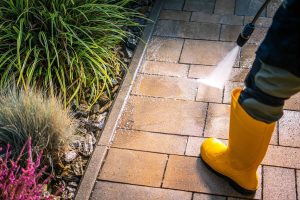
Cleaning up after a storm is about more than just maintaining curb appeal. It protects your property from long-term moisture damage, structural decay, and aggressive mold growth.

Florida’s heat and humidity create an ideal environment for organic matter to thrive on damp surfaces. Tackling the cleanup process step by step ensures your home remains safe, dry, and structurally sound.

How Do You Perform Essential Safety Checks First?

Before picking up a rake, pulling out a hose, or starting any equipment, pause and check your surroundings for potential safety hazards. Storm damage can create hidden dangers around your yard and home exterior.

According to safety guidelines from the University of Florida IFAS Extension, post-storm cleanup requires careful site inspection before work begins. Taking simple precautions protects you and your family from unexpected injuries while working outside.

  • Look for danger: Walk around your property to check for loose roofing materials, cracked window glass, hanging tree limbs, and unstable building structures.
  • Wear gear: Put on sturdy closed-toe work boots, heavy-duty work gloves, and protective eyewear before handling any debris.
  • Stay away: Maintain a wide distance from fallen power lines, leaning utility poles, or standing water that might cover submerged electrical connections.

If you see downed power cables or suspect electrical issues, call Brevard County emergency management or your local utility company right away. Never attempt to handle electrical hazards on your own.

patio ceiling cleaning

How Do You Safely Clear Yard Debris and Mud?

Once you know the area is safe, you can start removing the heavy mess left behind by high winds and torrential rain. Clearing debris quickly prevents grass from dying and stops mold from taking root on your hardscapes.

The National Oceanic and Atmospheric Administration (NOAA) reports that tropical cyclones are the costliest natural disasters in the U.S., causing over $1.5 trillion in total property and infrastructure damage since 1980. Proper post-storm maintenance helps mitigate long-term structural decay.

Sort Waste

Separate your yard waste into clear piles to help city workers pick it up faster. Place organic material like limbs and leaves in one area, and put damaged building materials like ruined fencing or aluminum fascia in another. Keeping your waste organized speeds up Brevard County storm cleanup services and keeps your curb neat.

Cut Branches

Trim back broken tree limbs that pose an immediate risk to your driveway, roof, or walkways. Use a sturdy hand saw or chainsaw only if you are confident and experienced in operating one safely. Always cut pieces into manageable sizes so you do not strain your back while carrying them to the curb.

Clear Gutters

Remove heavy leaves, pine needles, and mud from your gutter channels and downspouts. When gutters clog during Florida rainstorms, water backs up under your roof shingles and spills over onto your home’s foundation. Ensuring your drainage system flows freely prevents thousands of dollars in water damage to your soffits and exterior walls.

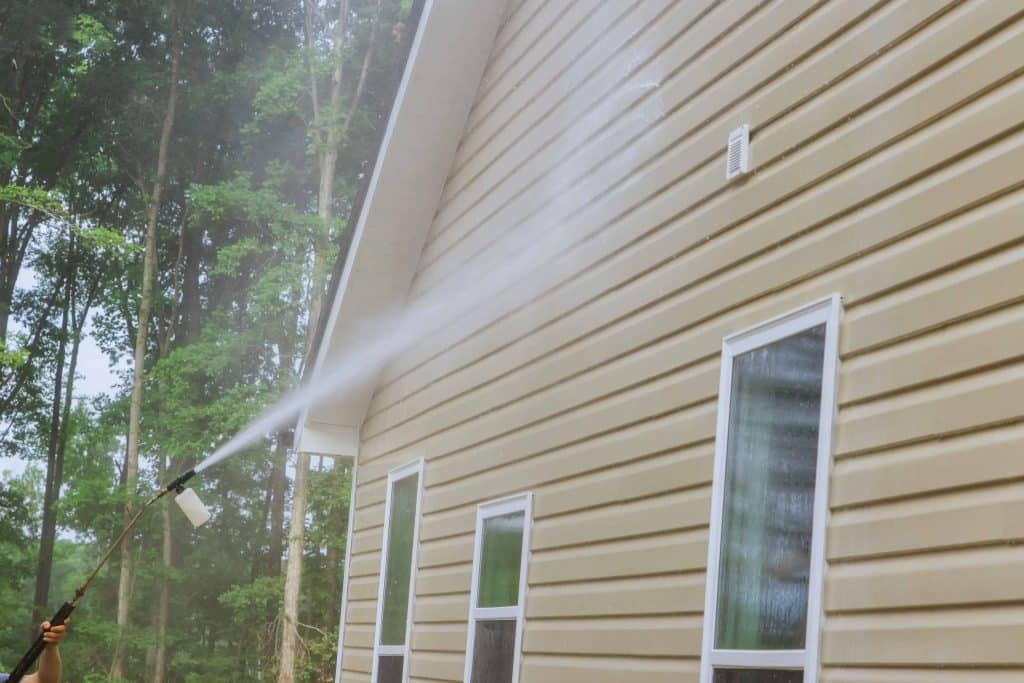
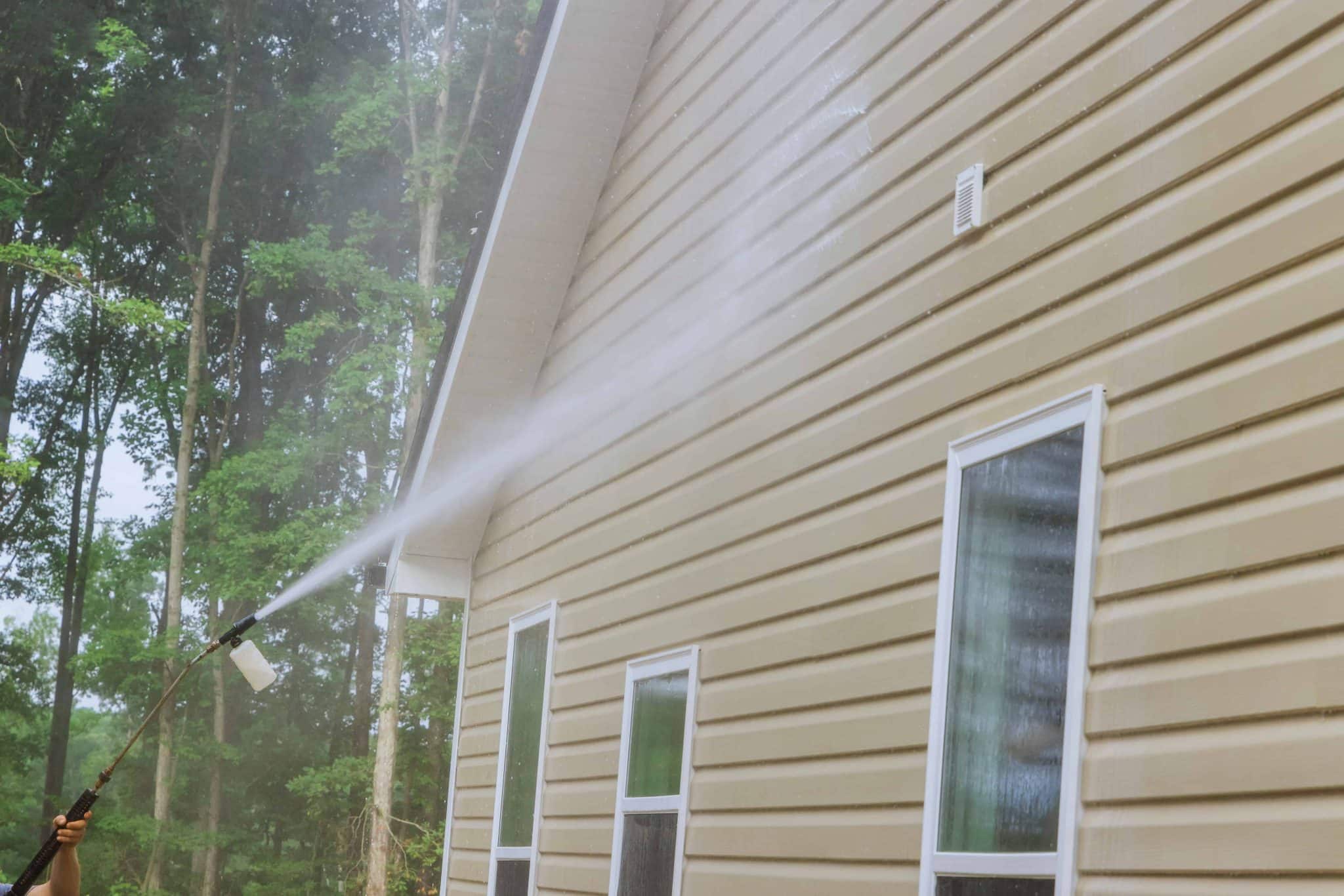
soft washing a siding

How Can You Safely Rinse Siding and Protect Landscaping?

Start the exterior washing process by gently rinsing off loose surface mud, grit, and sand. Avoid blasting surfaces with high pressure immediately, as coarse grit can scratch paint and damage delicate building materials.

  • Protect plants: Saturate surrounding gardens and tropical shrubs with fresh water before and after applying outdoor cleaning solutions to safeguard foliage.
  • Rinse siding: Spray your walls from top to bottom using a low-pressure setting to wash away surface dust and loose mud without forcing water behind siding panels.

Why Is a Soft Wash System the Best Choice for Storm Cleanup?

High pressure water can strip paint, crack aged vinyl, and blast hole cuts into soft Florida stucco. For delicate exterior surfaces, low-pressure soft washing offers a safer, more effective cleaning method.

Soft washing uses specialized, eco-friendly cleaning formulas paired with gentle water pressure—typically below 500 PSI—to treat surfaces. Instead of using raw force to blast surface dirt, the specialized solution breaks down stubborn algae spores, black mold, and embedded salt deposits at the root. This gentle approach cleans thoroughly without compromising window seals, lifting shingles, or driving moisture behind exterior walls.

Ready to Restore Your Home's Exterior?

When storm cleanup feels too heavy, or when your home requires deep exterior revitalization, calling in trained experts saves you time, stress, and potential property damage. A dedicated team offering expert pressure cleaning and high-quality pressure washing in Melbourne, FL has the commercial tools, proper safety ladders, and experienced hands needed to restore your driveway, roof, and siding quickly and safely.

Don’t let post-storm grime, mold, and salt spray ruin your home’s curb appeal or damage your paint. Contact Beacon Cleaning today at (321) 507-4851 for your premier power washing service in Melbourne, FL!

Read more

How to Clean Your Home’s Exterior After Florida Storms Read More »
algae and mold from house siding

How to Remove Algae and Mold on House Sidings

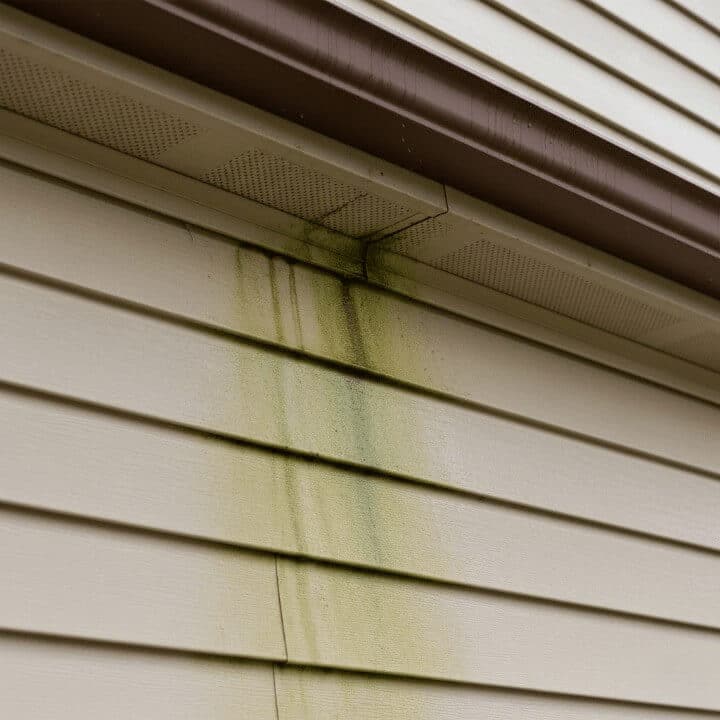
If you take a close look at houses around Florida, you will notice a common problem spreading across many of them. Dark green patches and black streaks frequently take over beautiful exterior walls. This nasty buildup is made of algae, mold, and mildew. It loves our warm, muggy climate, but you do not have to let it ruin your home. Cleaning it off is completely manageable if you know the right steps.

Why Do Algae and Mold Grow So Fast on Your Siding?

Our local weather is basically a paradise for microscopic spores. Algae and mold need two main ingredients to thrive: moisture and warmth. Because our humidity levels stay incredibly high for most of the year, your house walls rarely stay perfectly dry.

According to data compiled by the U.S. Environmental Protection Agency, biological growth, such as mold, can quickly develop on surfaces when relative humidity consistently hovers above 80%. In places like Florida, the outdoor air consistently hits that threshold. When you mix that moisture with shade from nearby trees or a north-facing wall that rarely gets direct sunlight, you get the perfect recipe for a green explosion. The organisms feed on the microscopic dust and pollen that settle on your walls, spreading further every single week.

Can You Wash Away the Growth Using a Regular Garden Hose?

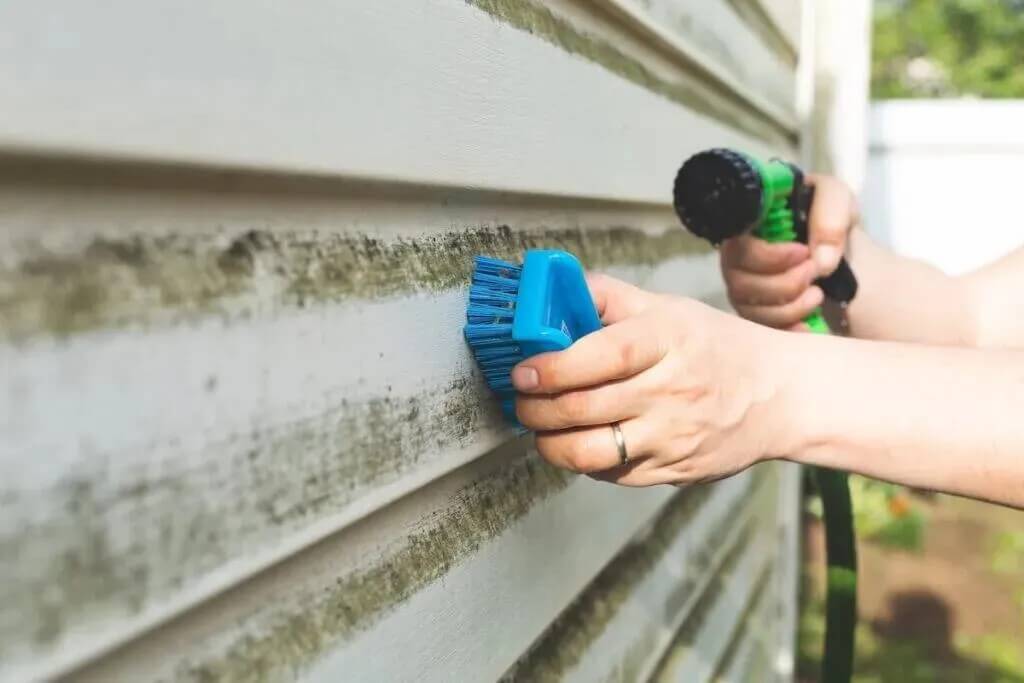
If you catch the discoloration very early, when it is just a light, faint layer, you might be able to wash it off with basic hand tools. You do not always need heavy machinery for a minor issue.

To tackle light stains yourself, you can mix a simple cleaning solution using everyday household items:


  • A large bucket of warm water mixed with a mild dish soap or oxygen bleach.
  • A soft-bristle scrub brush attached to a long extension pole so your feet can stay safely on the ground.
  • A standard garden hose equipped with a high-quality spray nozzle.

Start by wetting down your siding with plain water from the bottom up to prevent ugly streak marks. Dip your soft brush into the soapy mix and gently scrub the affected areas. Let the soap sit for about 10 minutes to loosen the algae’s grip, but do not let it dry completely on the wall. Finally, rinse the entire section thoroughly with clean water, working your way from the top down to wash away all the grime.

soft washing an algae build up on house siding

Why Is High-Pressure Power Washing Risky for Exterior Walls?

When homeowners see thick, stubborn black mold, their first instinct is often to rent a commercial pressure washer and blast it on the highest setting. While this seems like a fast fix, it can actually cause serious, hidden damage to your property.

The intense force of high-pressure water can easily crack aged vinyl panels, chip away delicate exterior stucco, or strip the paint right off wood siding. Even worse, blasting water at a straight or upward angle forces moisture deep behind the siding panels. According to building science resources, trapping water inside wall cavities creates a high-moisture zone that can trigger hidden wood rot and dangerous indoor mold growth. Once water gets trapped back there, it has a very hard time drying out on its own.

What Is the Safest Alternative to Clean Tough Stains?

The safest and most effective professional method for eliminating heavy biological growth is soft washing. Instead of relying on raw, destructive water pressure, this technique uses eco-friendly, specialized siding cleaning solutions applied at low pressure, similar to the force of a strong garden hose.

The cleaning solution does all the heavy lifting by killing the algae and mold spores at their absolute roots. This ensures that the growth does not just come right back a few weeks later. Once the solution safely breaks down the biological bond, the entire wall is rinsed thoroughly with a gentle stream of water, keeping your exterior materials intact and safe from harm.

siding with algae build up

Ready to Bring Back Your Home's Beautiful, Clean Look?

Safely removing stubborn, thick exterior stains requires the right equipment, proper safety training, and the correct cleaning solutions. If you want to skip the weekend scrubbing and avoid the risk of damaging your walls, our professional team at Beacon Cleaning is here to step in. We use advanced soft-wash techniques to completely remove unsightly algae and mold, leaving your property looking brand new. Give Beacon Cleaning a call today at (321) 507-4851 to get your free estimate and book your hassle-free exterior cleaning.

Read more

How to Remove Algae and Mold on House Sidings Read More »

algae buildup on home siding

How Does Florida’s Humidity Cause Algae Buildup on Home Siding?

Every Florida homeowner knows that keeping a house looking fresh is a constant battle against nature. Our state is famous for beautiful sunshine, but it is also famous for sticky, heavy humidity. If you take a close look at the exterior of your home, you might notice strange green streaks or dark patches spreading across your siding. This is not just regular dirt from a windy day. It is a live biological buildup, and ignoring it can lead to some major headaches for your property.

What Exactly Is That Green Stuff on Your Siding?

That green or black coating spreading across your walls is usually a mix of algae, mold, and mildew. Because Florida experiences sustained high relative humidity and warm temperatures throughout most of the year, it creates a perfect breeding ground for these organisms. Studies show that when high moisture loads combine with moderate-to-warm temperatures over time, the risk of rapid biological growth on building envelopes skyrockets.

Algae thrives on moisture and sunlight, using the dust and organic matter on your walls as food. It typically starts on the north side of your house or under shady tree canopies where the morning dew takes the longest to dry. Once it gets a foothold, it spreads quickly across vinyl, stucco, and wood.

What Causes That Green Layer to Grow On Your Walls?

The colorful coating on your home is actually an accumulation of green algae, cyanobacteria, and mold spores. These tiny organisms are naturally present in the air, and they constantly look for a comfortable place to settle down and multiply.

Our local environment provides the absolute perfect breeding ground for these microscopic invaders. For biological organisms to grow rapidly on building materials, they require consistent warmth, plenty of shade, and high moisture levels. Scientific climate overviews focused on weathering track how atmospheric pollution and dust settle onto exterior walls, acting as a direct food source for traveling colonies of cyanobacteria like Gloeocapsa. Because Florida gets an incredible amount of rain alongside daily morning humidity, the north-facing and heavily shaded sides of your house rarely dry out completely, allowing the algae to thrive.

guy soft washing a house siding

How Can a Biological Film Damage Your Physical Siding?

While a little green tint might just look unappealing at first, letting it sit on your home can slowly ruin the materials underneath. Different types of siding react to organic growth in very different ways.


  • Vinyl Siding: Vinyl is tough, but the algae film acts like a sticky trap. It catches blowing dirt, tree sap, and pollen, turning your beautiful walls into a thick layer of grime. If left alone for years, the biological layer can permanently stain the vinyl panels.
  • Wood Siding: This is where the real danger happens. Algae traps moisture directly against the wooden boards. This constant wetness softens the wood fibers, leading to deep wood rot, warping, and expensive structural failures.
  • Stucco and Fiber Cement: These materials are naturally porous, meaning they have thousands of tiny microscopic pockets. Algae roots dig deep into these tiny holes, making the surface brittle and causing the paint to bubble or flake off early.

Why Does Keeping Your Walls Clean Protect Your Health?

Allowing organic matter to completely cover the outside of your house can eventually impact the comfort and safety inside your living spaces.

When algae colonies expand, they often team up with mold and mildew. As the wind blows against your exterior walls, millions of microscopic spores are released into the air right next to your windows, doors, and air conditioning intake vents. This airborne mixture can aggravate seasonal allergies and trigger asthma symptoms for your family. Furthermore, thick patches of damp algae create an inviting home for tiny pests, including moisture-loving bugs like termites and ants, which can easily find a small crack and migrate into your drywall.

half of house siding with algae buildup

Are You Ready to Restore Your Home’s Beautiful Look?

Getting rid of stubborn exterior buildup requires specialized care to avoid cracking your panels or blasting water deep behind your walls. Contact Beacon Cleaning today at (321) 507-4851 to schedule a professional, gentle soft-wash evaluation. Our experienced local team will safely clear away the grime, kill the underlying spores, and keep your Florida property looking spotless and beautiful for the long haul.

Read more

How Does Florida’s Humidity Cause Algae Buildup on Home Siding? Read More »

Scroll to Top